News and rule changes
Updated
RSS feedWhat changed in SECR, PPN 006, the NHS supplier roadmap, CBAM and the government's own figures, and what it means for you.

COP31 opens in Antalya on 9 November: the EU pushes electrification and carbon pricing. What it means for your business
The UN climate summit runs from 9 to 20 November 2026. The European Commission says it will push for clean electrification, a move away from fossil fuels and wider carbon pricing. A worked example of three diesel vans switching to electric.

Lanarkshire AI data centre to run on grid power, not on-site renewables: what 500 MW means in carbon
DataVita now says its Lanarkshire AI Growth Zone data centres will be fully grid served with a renewable power contract. Our calculation of what 500 MW drawn from the grid reports location-based, and why a power purchase agreement changes only the market-based figure.
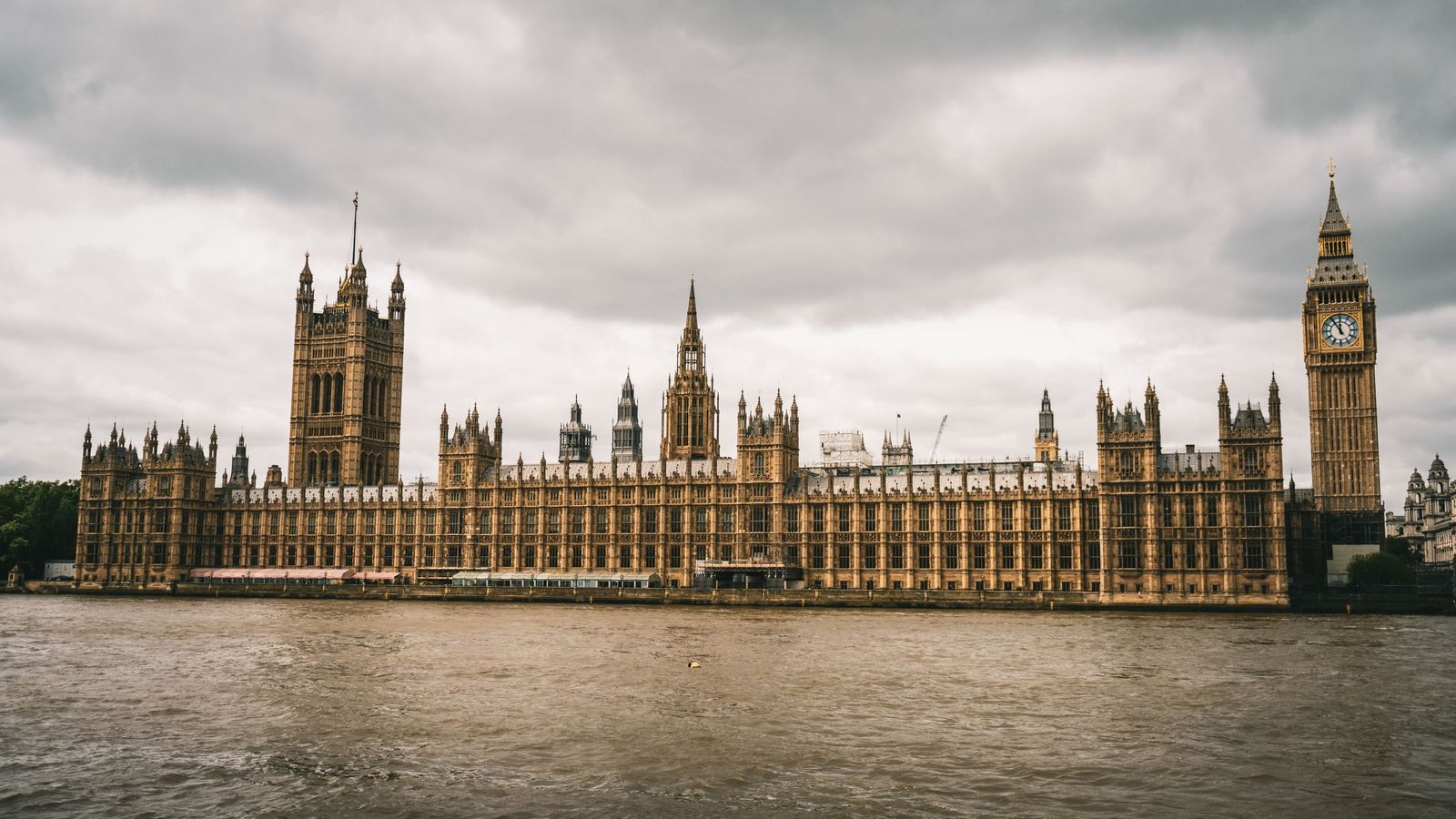
MPs say UK climate leadership is 'at a crossroad' and call for an electrification strategy now: what it means for your business
The Commons Energy Security and Net Zero Committee wants DESNZ to publish an electrification strategy straight away, a fossil fuel phase-out roadmap by July 2027 and a plan for adapting to climate change. A worked example of a heat pump replacing an office gas boiler.

China's CO2 emissions fall 3% in the third quarter, the biggest drop since Covid: what it means for goods you buy from China
An analysis for Carbon Brief finds China's emissions fell 3.1% in Q3 2026 as coal power and transport oil dropped and clean power and electric vehicles grew. A worked example of what a Chinese factory's electricity adds to a UK buyer's Scope 3.
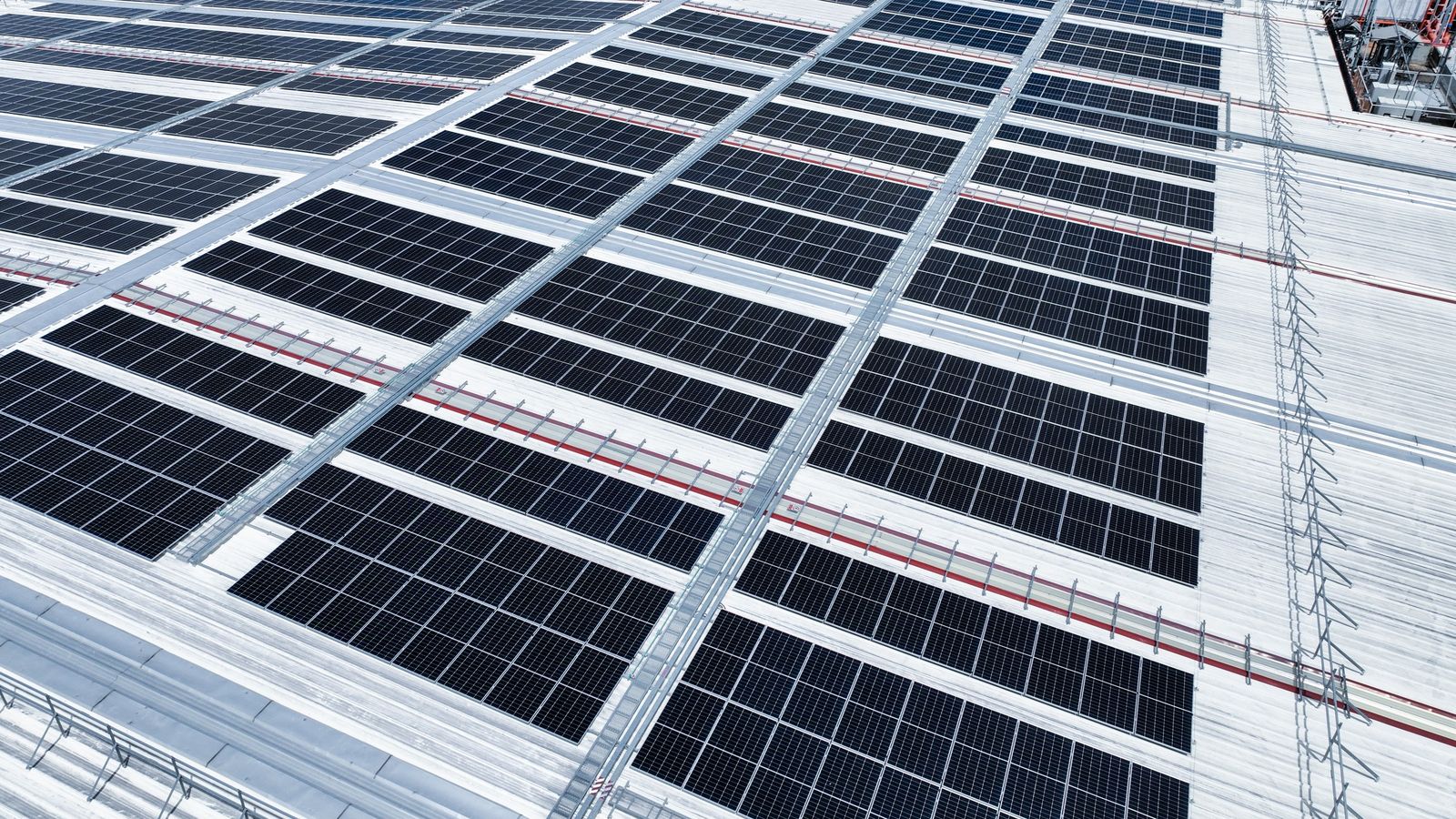
IEA Renewables 2026: almost 4,800 GW of new renewables by 2031, driven by energy security. What it means for your business
The IEA's yearly renewables report says countries now build solar and wind mainly to cut their exposure to imported fuel, with growth spreading beyond China and grid queues the bottleneck. A worked example of what rooftop solar does to Scope 2.
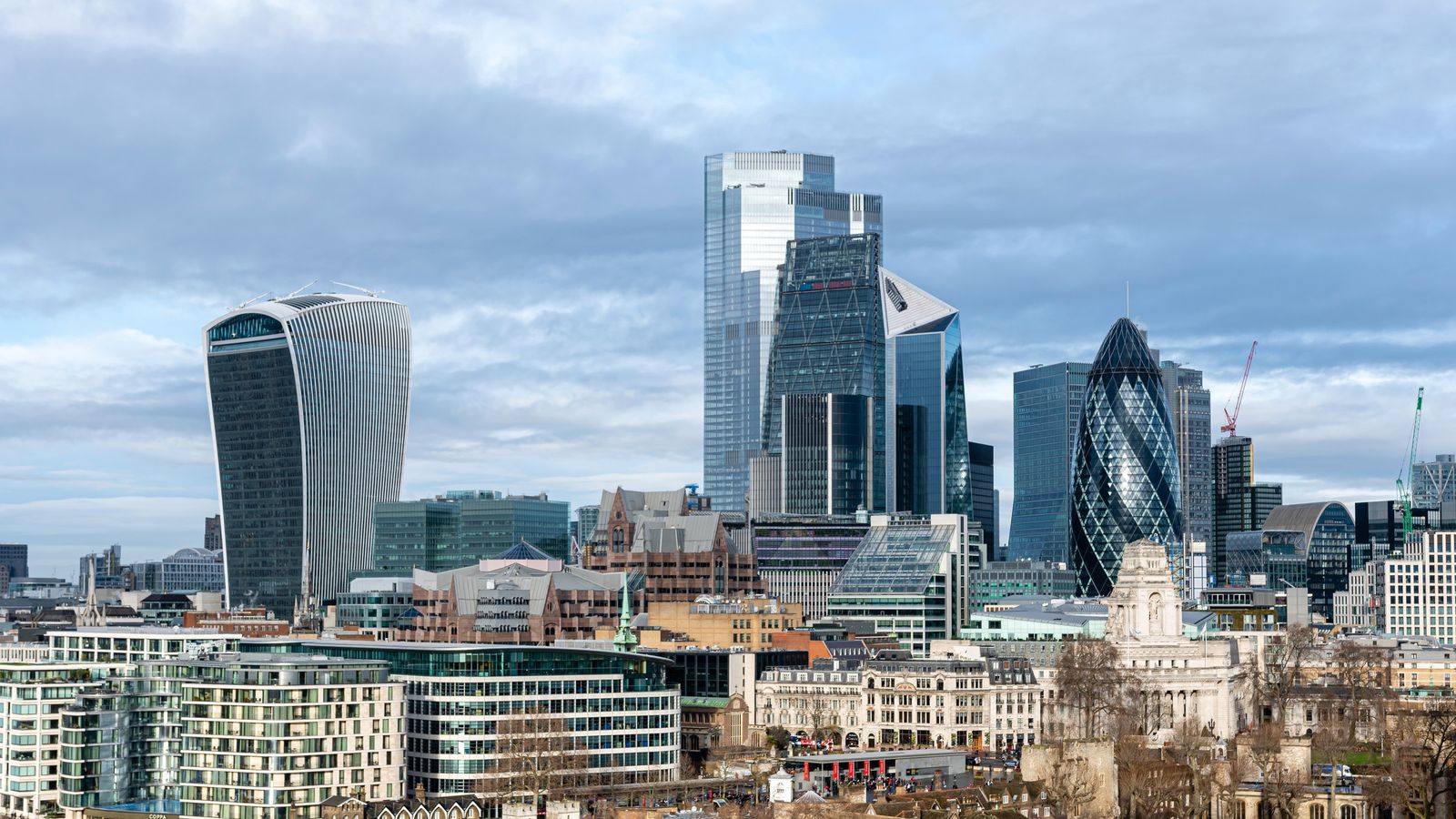
Net Zero Stocktake 2026: big company targets hold firm, but only 48% fully cover the supply chain. What it means for suppliers
The Net Zero Tracker's sixth stocktake finds 64% of the largest listed companies still have net zero targets and 78% now publish plans, while quiet back-tracking grows. A worked example of the Scope 1 and 2 figure customers ask suppliers for first.
Bank of England raises rates to 4% because of energy prices: what it means for your business energy and carbon
The first rise in more than three years, driven by the Middle East conflict: wholesale gas is 81% above July, and the Bank says many firms on fixed contracts have not felt it yet. A worked example of one site's gas cost and Scope 1 emissions.
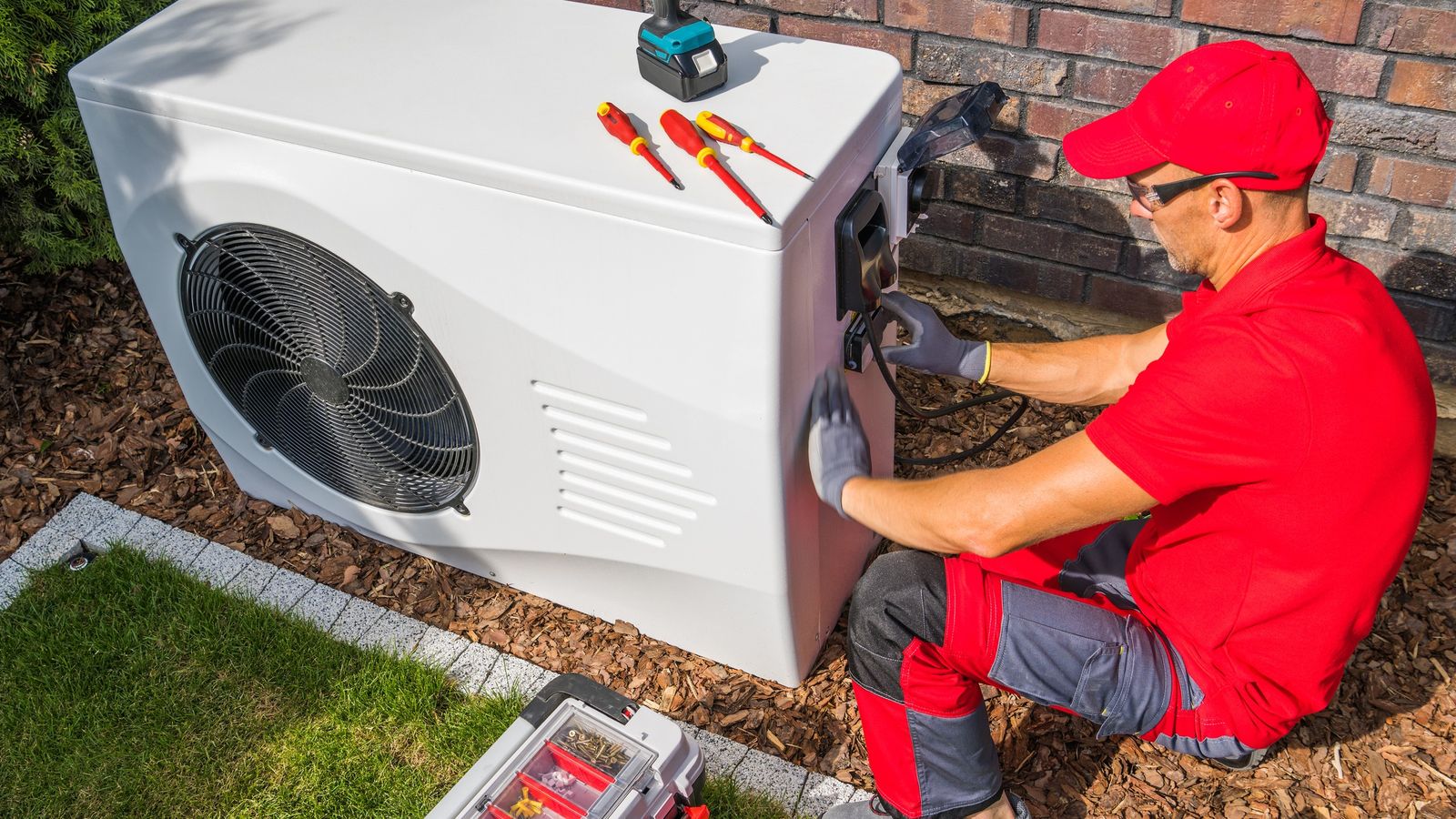
Boiler Upgrade Scheme vouchers raised to £520 million after record demand: what it means for business heat pumps
DESNZ has let Ofgem issue up to £520 million of Boiler Upgrade Scheme vouchers in 2026-27, £120 million above the £400 million budget. Grant amounts are unchanged. Who may qualify and a worked example for a small office on mains gas.

Electric cars hit 32% of UK new car sales in October and electric vans a record October: what it means for fleets
SMMT figures for October 2026: 48,858 battery electric cars, fleets buying 58.9% of new cars, and electric vans at 12.9%, both still behind the ZEV mandate. A worked example of a diesel and an electric van and car on the 2026 factors.
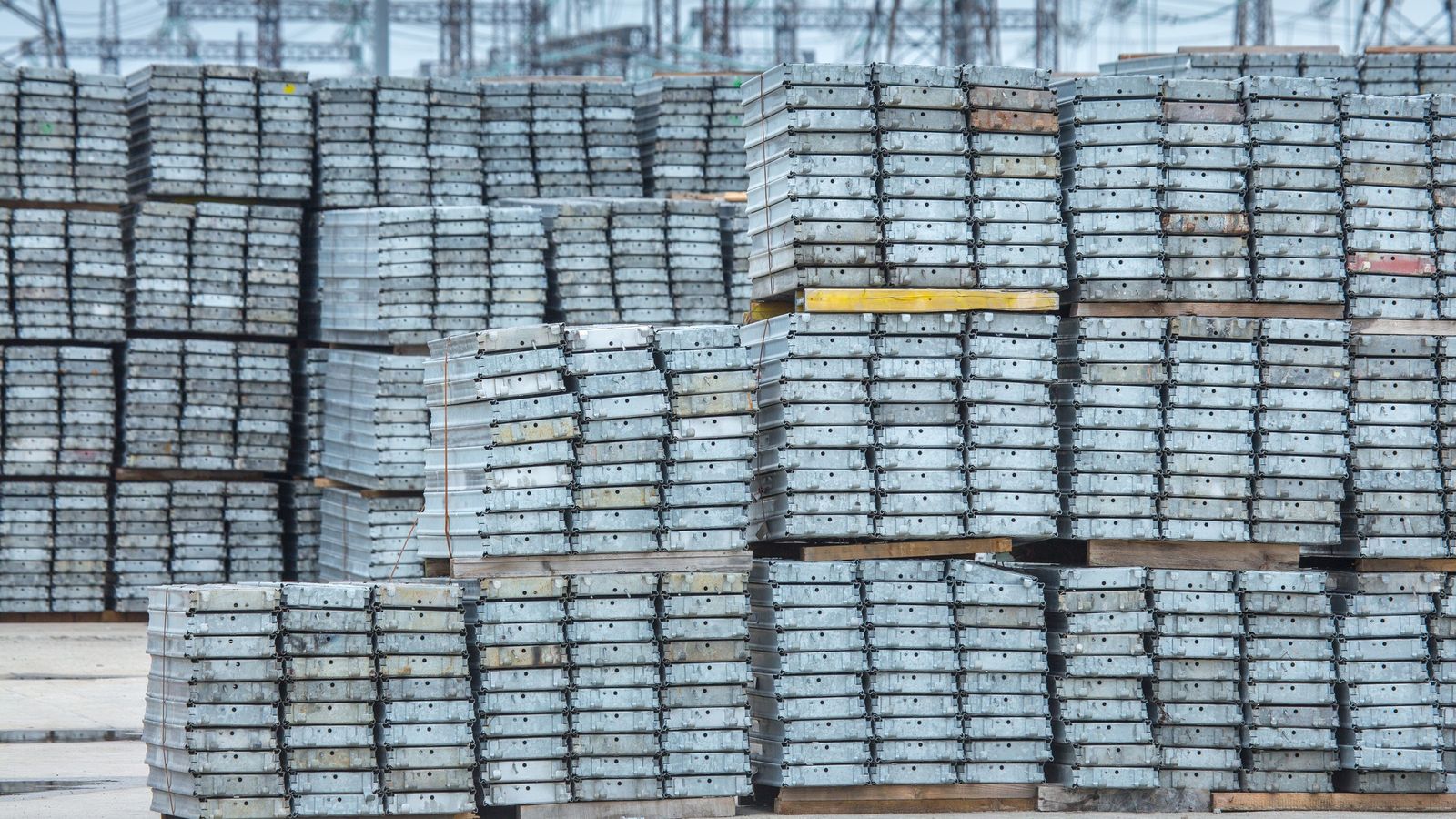
MPs warn the UK is 'dangerously' dependent on China for critical minerals: energy costs, scrap metal and what it means for business
The Commons business committee says the Government passes none of its ten tests on lithium, rare earths and other net zero minerals, and calls for a finance facility, more UK recycling and tenders that favour allied sourcing. A worked example of recycled aluminium in Scope 3.
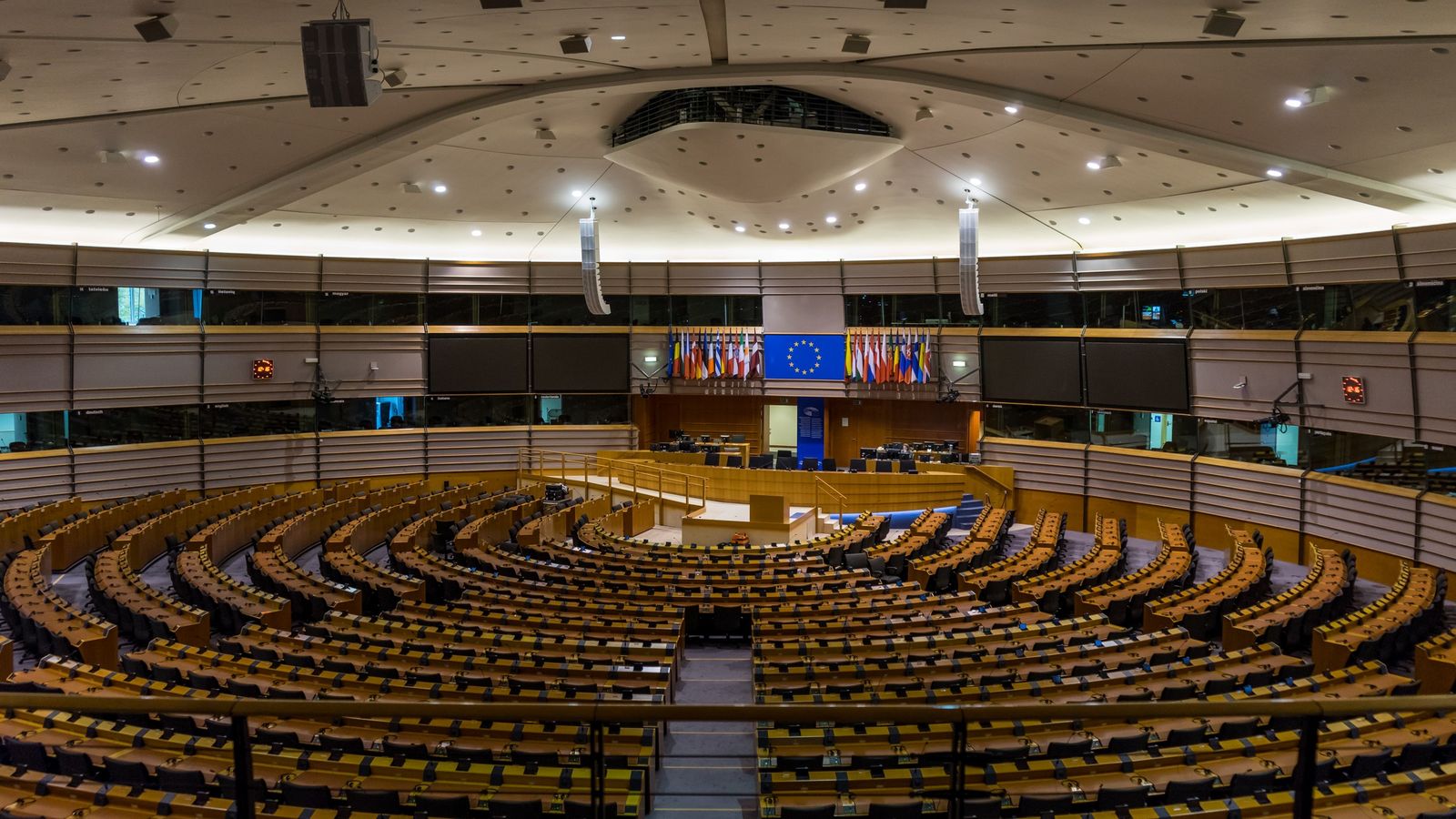
EU Parliament committee votes to soften the 2035 car CO2 target to 87.5%: what it means for UK fleets
MEPs on the Environment Committee backed an 87.5% cut for new cars in 2035, topped up with low-carbon steel credits, and aspirational targets for clean corporate fleets. UK dates are unchanged. A worked example of one company car on three fuels.

EU to withdraw the Green Claims Directive: why green marketing rules still bite for UK firms selling into Europe
The Commission's 2027 work programme drops the Green Claims Directive, but the EU ban on generic and offset-based claims already applies and the CMA can still fine in the UK. A worked example of an emissions claim that holds up.

Energy Independence Bill: Ofgem to regulate energy brokers, EPC B by 2031 for larger let offices. What it means for your business
The Bill introduced on 4 November puts brokers under Ofgem, gives councils powers to enforce energy efficiency rules on let buildings and ends new North Sea exploration licences. What changes, what doesn't yet, and a worked example for a 1,500 m² office.
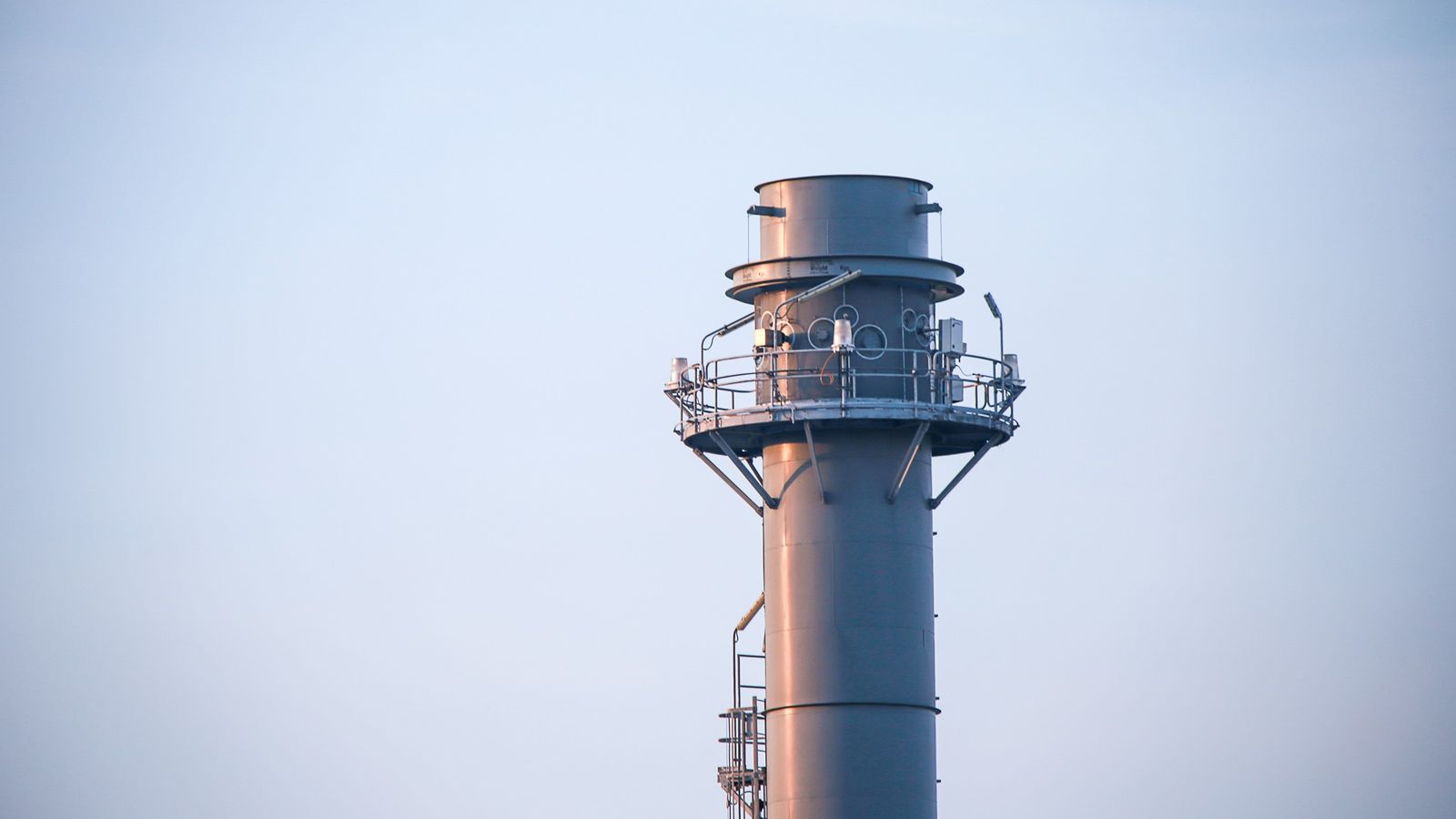
UK ETS emissions fell 6.9% in 2025 as industry dropped 15%: what the carbon market report means for your business
The UK ETS Authority's report on 2025 shows emissions under the scheme down to 79.7 million tonnes, power stations up, and allowances selling for £31 to £57. Our count of the auction revenue and average price, what it means if you are outside the scheme, and a worked example pricing a business's gas.
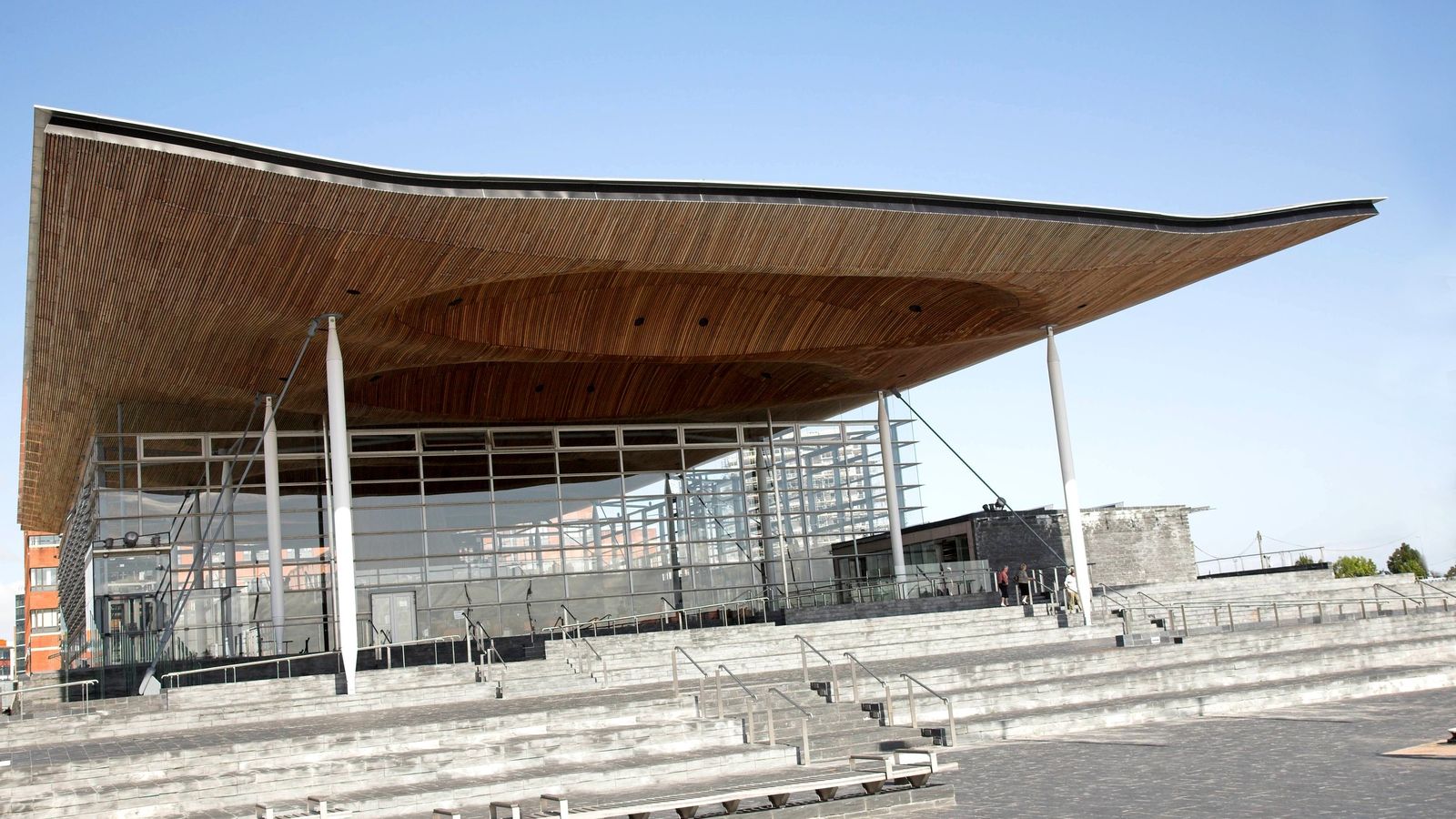
Audit Wales: public sector unlikely to reach net zero by 2030, and 92% of its supply chain emissions are estimates. What it means for suppliers
Welsh public bodies reported 3.96 million tonnes CO2e in 2024-25, three quarters from supply chains, mostly worked out from spending. What the report found, why suppliers should expect requests for real figures, and a worked example of why a heat pump looks bad at first.

FCA finalises ESG ratings rules: providers need authorisation from June 2028. What it means if your company is rated
The FCA's policy statement PS26/22 brings ESG rating providers under regulation and gives rated companies advance notice, access to the underlying data and a factual correction process. What changes, the dates, and a worked example of an emissions figure worth correcting.
COP30 Presidency publishes the first global roadmap for moving away from fossil fuels: what it means for your business
Brazil's COP30 Presidency sets out a voluntary roadmap to 2033, with no deadlines for any country but a push on planning, methane and carbon accounting. What changes for UK firms, and a worked example of a business's own fossil fuel emissions.

Renewables Obligation to move to fixed price certificates from 2028 at the earliest, and BICS funding route confirmed: what it means for your bill
DESNZ consults on replacing tradable ROCs with Fixed Price Certificates and confirms Exchequer funding so the BICS exemption doesn't raise other bills. What the RO costs per kWh today, with a worked example.
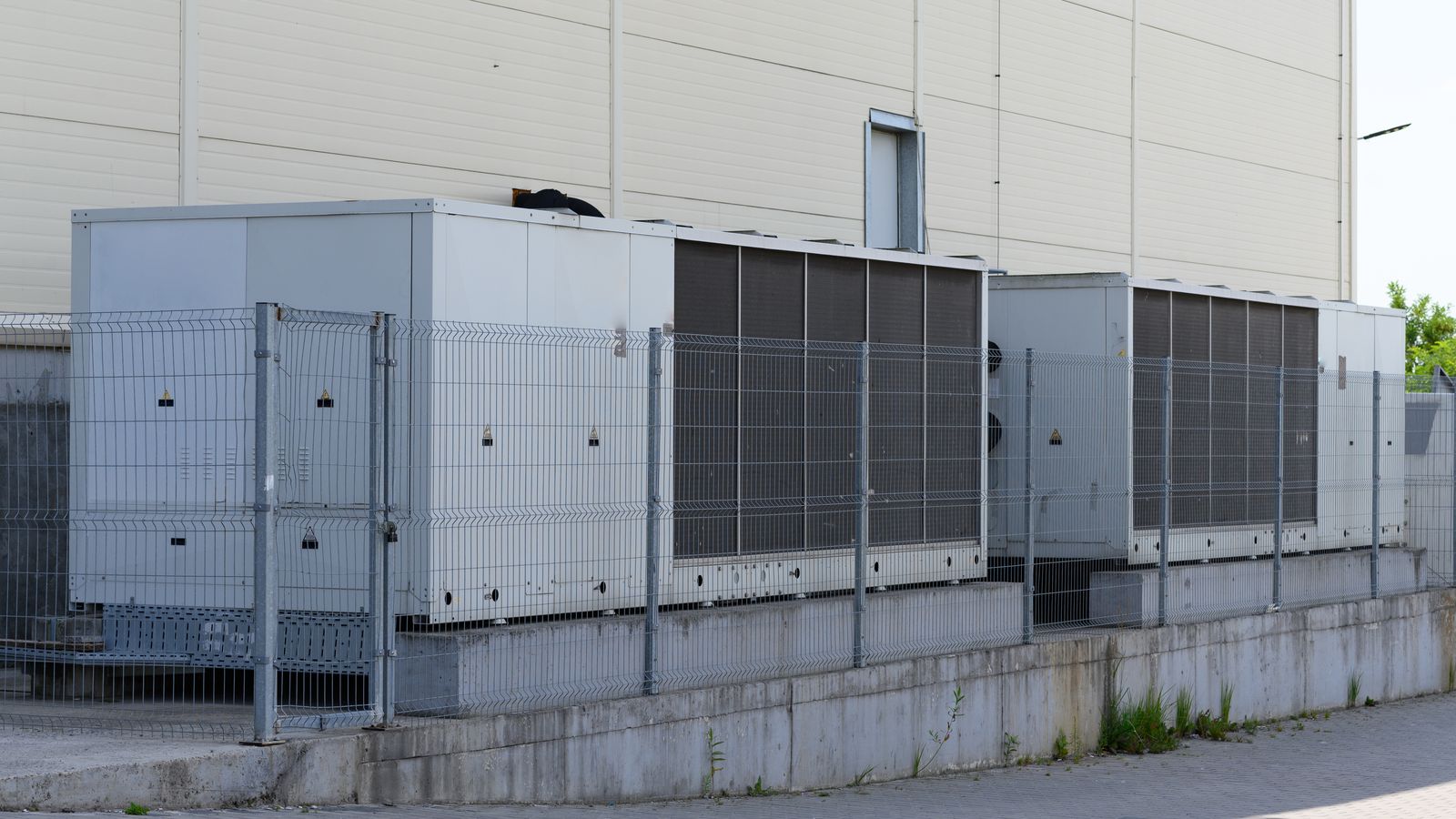
Drax plans a 1 GW AI data centre at its power station with Brookfield: what it means in electricity and carbon
Drax, Brookfield and Radiant plan a data centre of more than 1 GW at Drax Power Station, starting with 100 MW from the grid in 2028. Our sums for each phase, and why biomass power is counted differently in a carbon report.
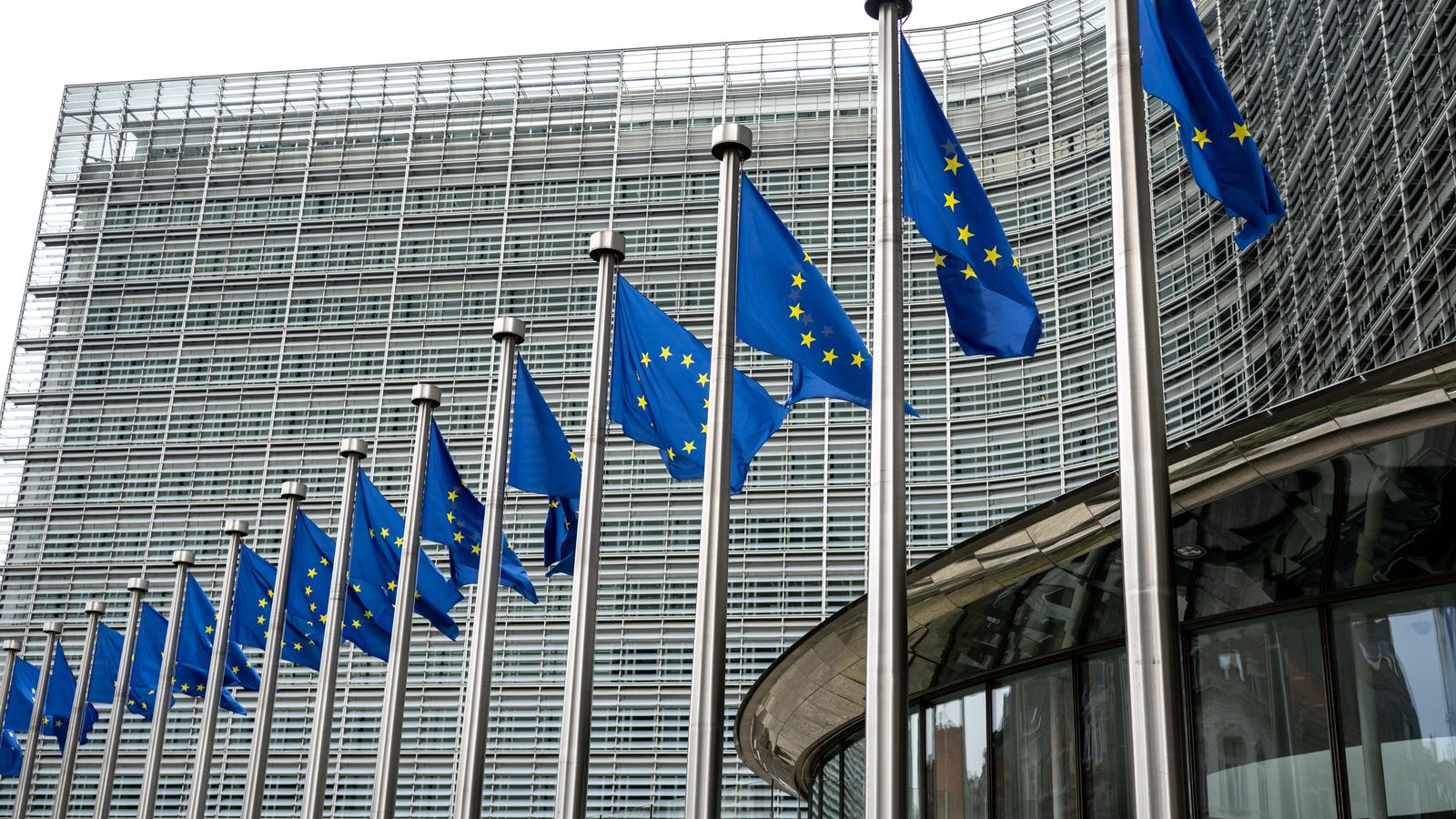
UK-EU emissions trading link: draft text circulated ahead of the summit. What it means for CBAM
The BBC reports a draft emissions trading deal has gone to EU governments alongside the food trade deal. What linking would change for exporters and importers, a worked UK CBAM steel example, and why nothing changes yet.
AI data centres on gas: four UK sites could emit 4.1 million tonnes of CO2 a year, nearly three times the grid. Our sums
BBC File on 4 found four planned data centres considering on-site gas while they wait for the grid. We compare the BBC's estimate with the government's grid factor and show what it means for your Scope 3 cloud emissions.
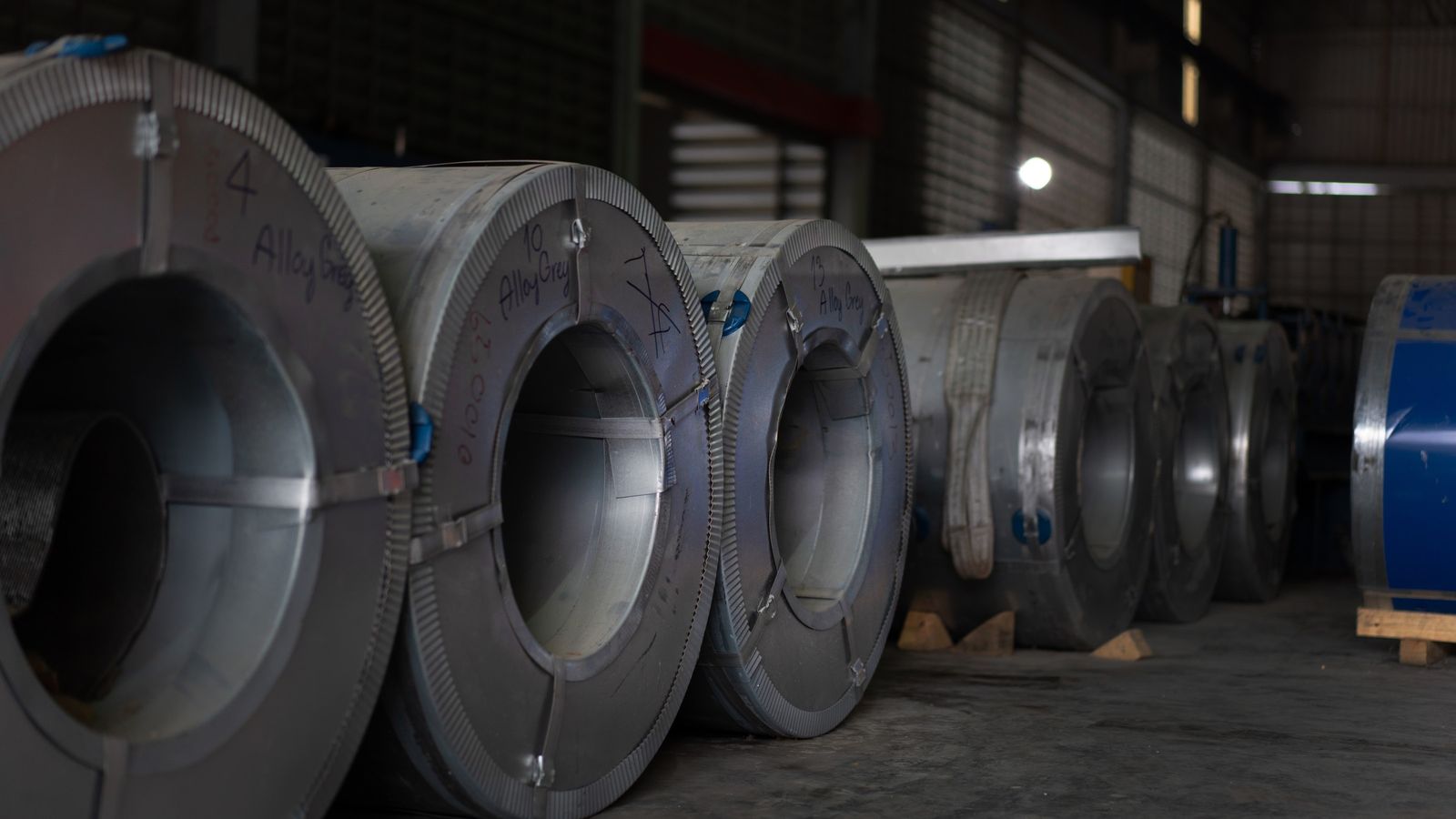
UK CBAM: HMRC says Carbon Price Relief must use the same emissions as your CBAM report, default or actual
HMRC's 2 November update to its Carbon Price Relief guidance ties the relief to the emissions method you report on. What changed, a worked steel example on both routes, and what importers should do before 1 January 2027.

Biodiversity net gain now mandatory for nationally significant infrastructure projects: what changes from 2 November 2026
Big energy, transport and water projects in England applying for development consent must now deliver a 10% biodiversity gain. What Defra's rules say, who they reach and how nature sits beside carbon.
Government carbon value is £317 a tonne in 2026: what DESNZ's updated appraisal guidance means for public sector bids
DESNZ restated its carbon values in 2025 prices and added guidance on time-of-use electricity and traded emissions. What a tonne is worth in a public sector business case, with a worked heat pump example.

State of the Cryosphere 2026: overshoot to 3°C could release up to 230 billion tonnes CO2e from permafrost. What it means for your business
ICCI and UNEP find overshooting 1.5°C would cause large, often permanent ice loss. Our comparison of the permafrost figures with UK emissions, what changes for a business (nothing in the rules) and a worked 10% cut.
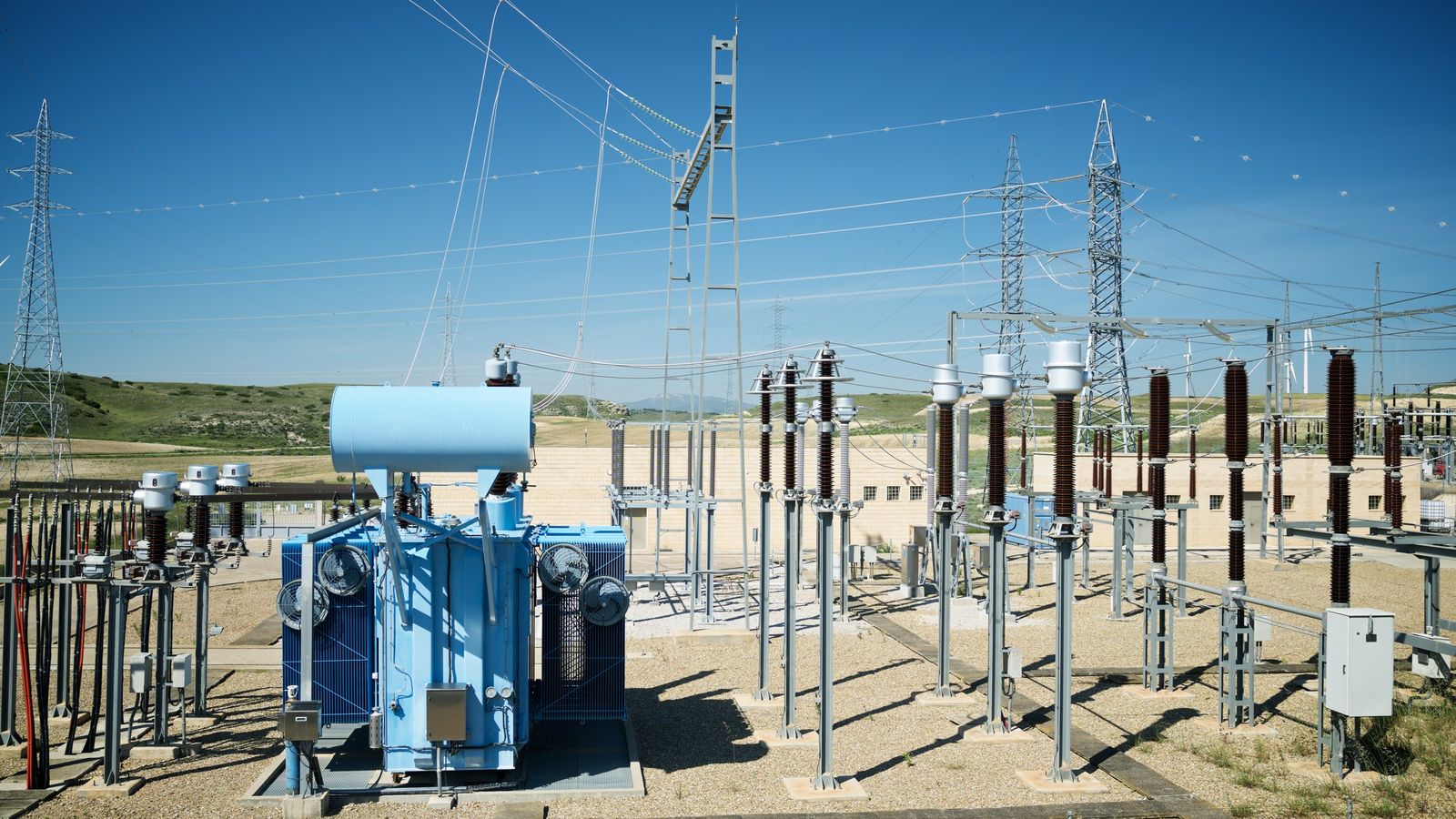
Britain's biggest substation for a Teesside AI data centre: what 3.2 GW means in electricity and carbon
National Grid has agreed to buy land at Dorman Point for a giant substation next to a planned AI data centre. Our calculation of what up to 3.2 GW would use and emit, and what the new draft planning policy for data centres asks of them.
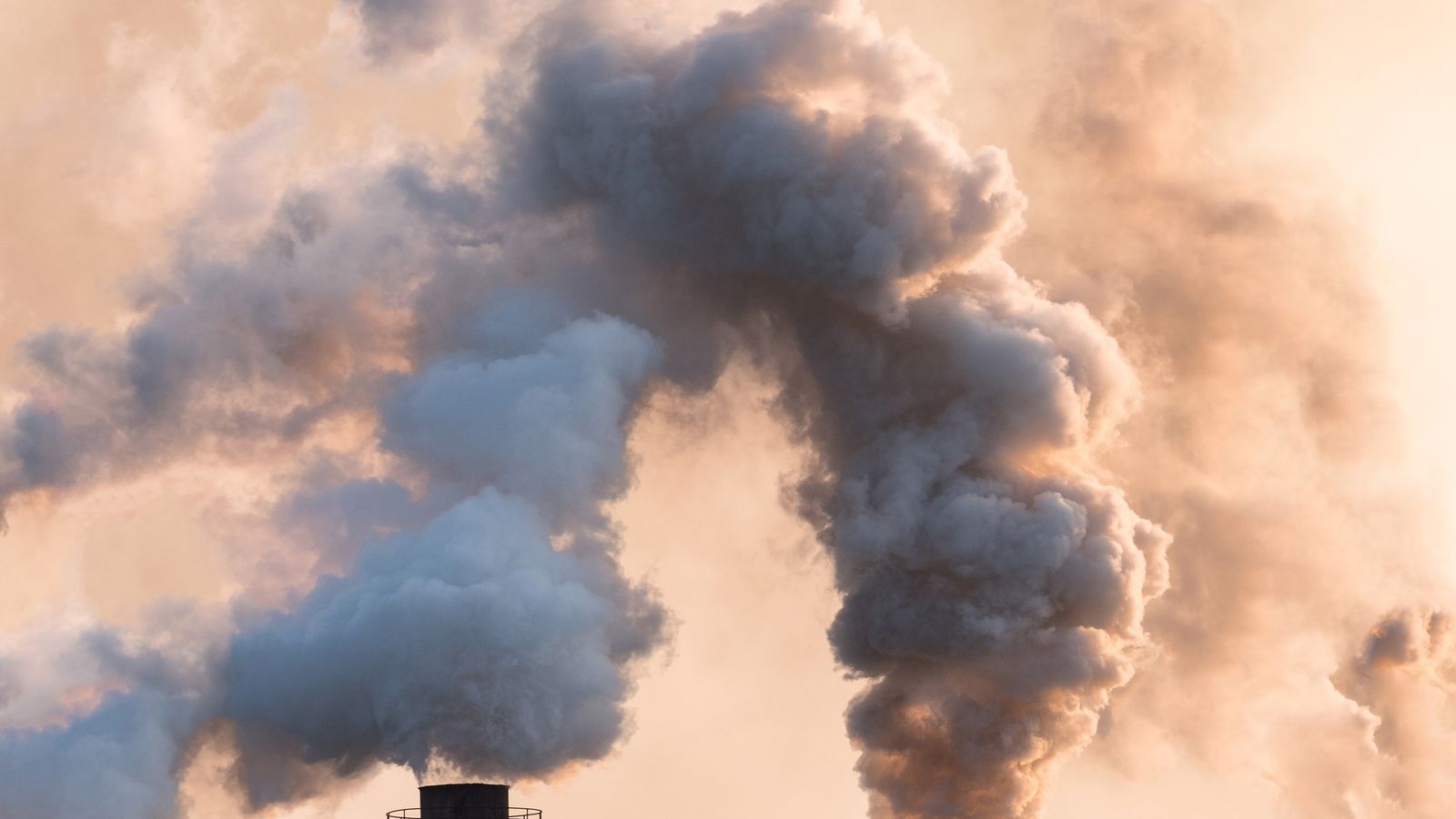
WMO: CO2, methane and nitrous oxide hit new records in 2025, and SF6 rose by a record amount. What it means for your report
The WMO Greenhouse Gas Bulletin puts CO2 at 426.8 ppm in 2025. Our conversion of the 2.8 ppm rise into tonnes, why WMO's SF6 value differs from the UK factors, and a worked switchgear example.
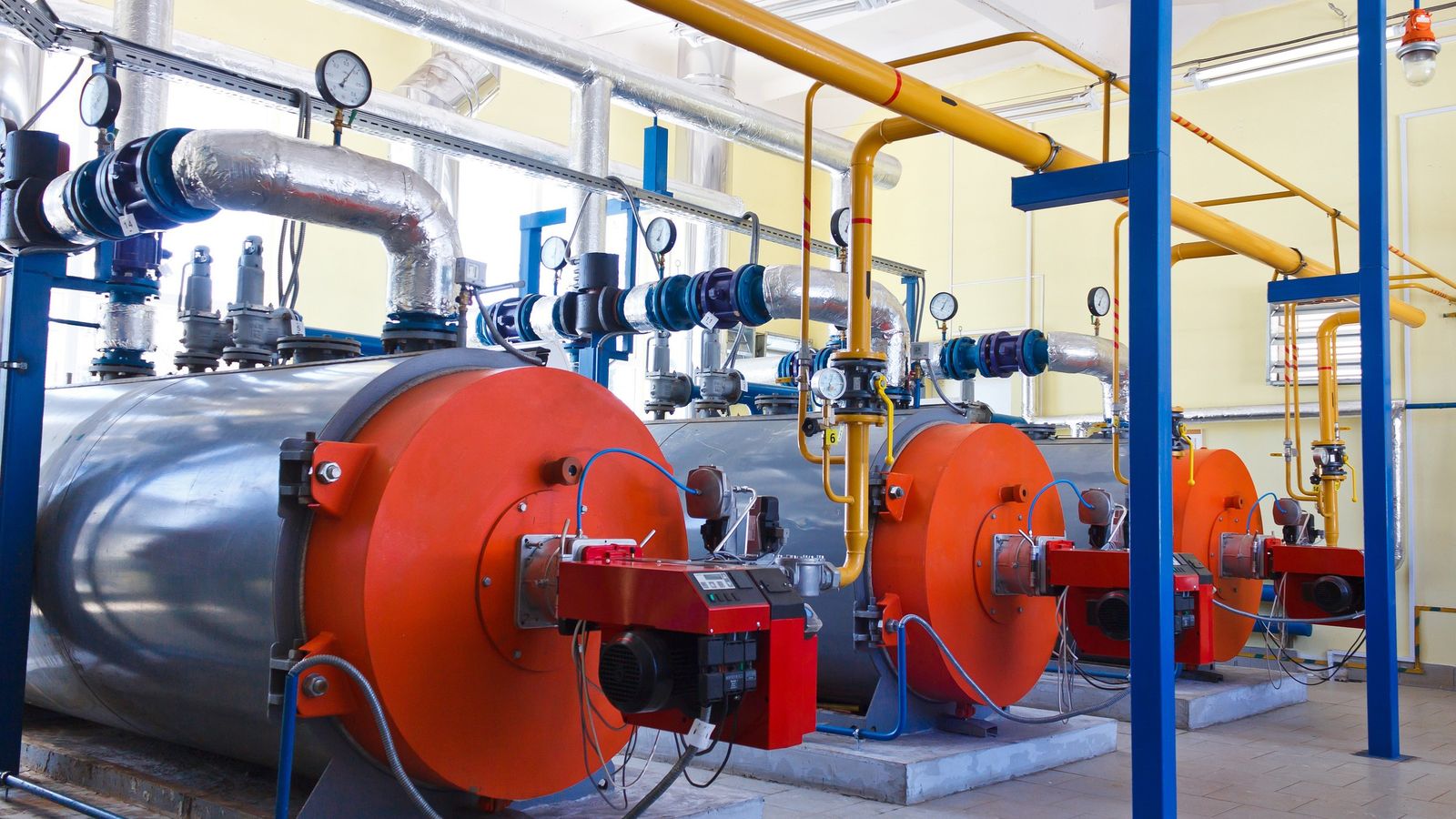
Only 782 heat networks have registered with Ofgem: who must register by 26 January 2027
Ofgem's first monthly count shows about 5.5% of an estimated 14,000-plus heat networks registered, and it warns of enforcement. Who counts as a heat network, what to do before the deadline, and how the same fuel facts feed your carbon report.
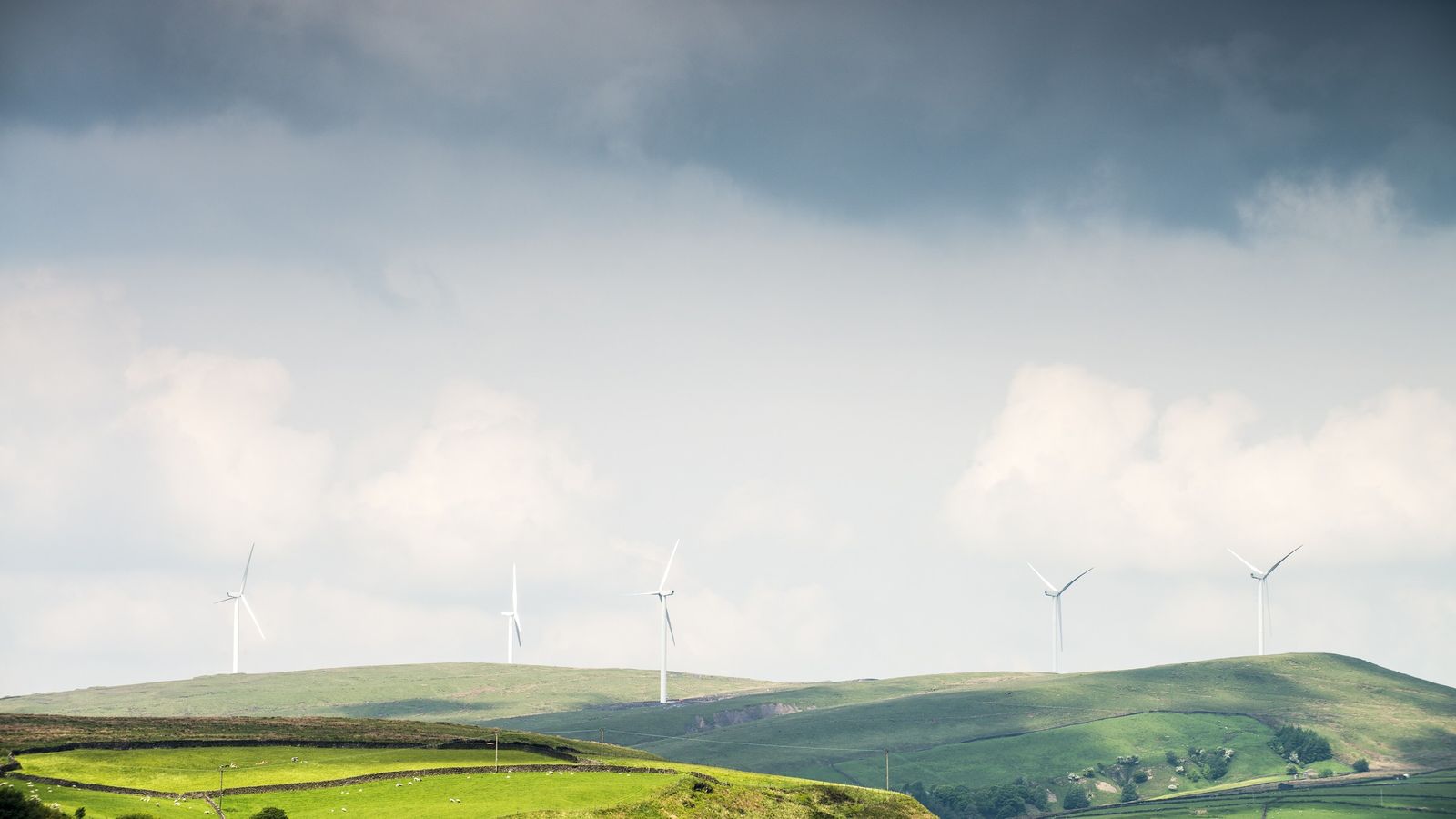
Clean power only if it lowers bills: what the Budget's new test means for business electricity and carbon
The Budget says the government will now buy clean power only where it lowers bills and can connect to the grid, and the Chancellor says he will block projects the grid cannot take. What it could mean for your bills, your electricity factor and targets that lean on a cleaner grid.
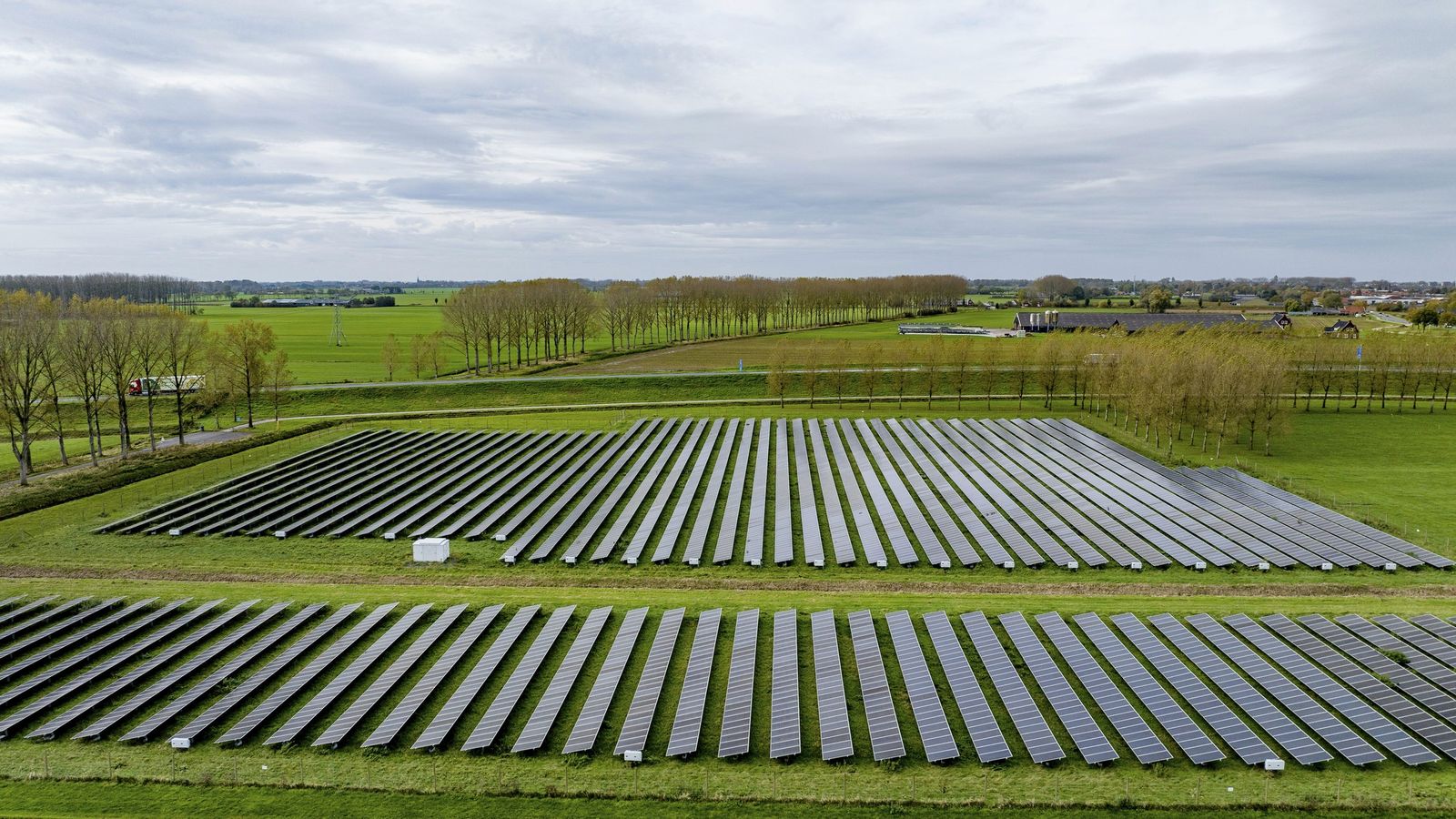
Sea Link undersea cable and 800 MW Great North Road solar farm approved: what they mean for business bills and carbon
On 30 October 2026 the government approved National Grid's 2 GW Sea Link between Suffolk and Kent and two big solar farms. What 800 MW of solar produces, what that is worth in grid carbon, and why your electricity factor falls a year at a time.
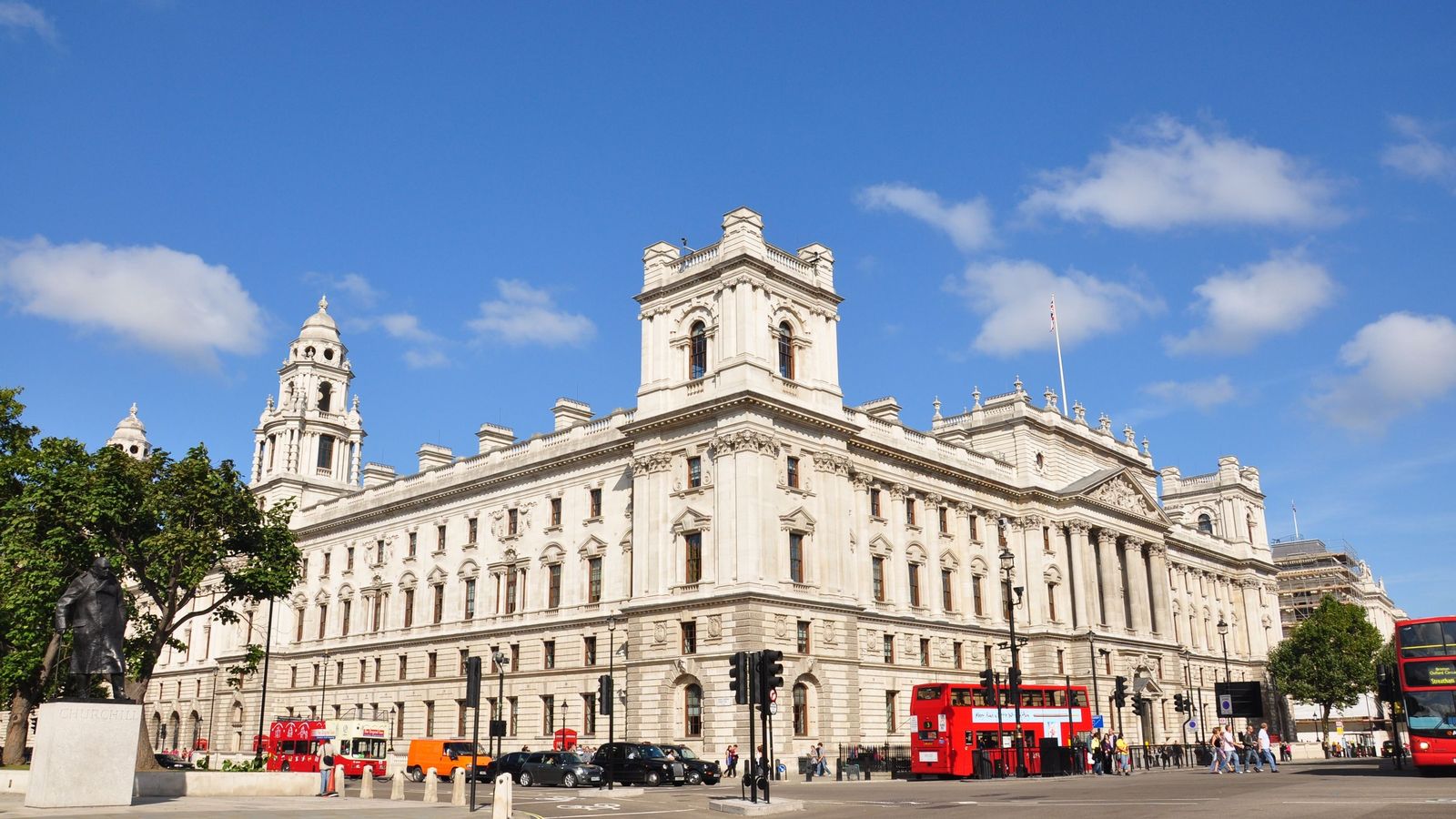
Green Book discount rate cut to 3%: why carbon savings now count for more in public sector business cases
HM Treasury's new Green Book, published with the Budget on 28 October 2026, cuts the discount rate for years 1 to 30 from 3.5% to 3% and for years 31 to 75 from 3% to 2.5%. What that does to the weight of a tonne saved, with a worked heat pump example.
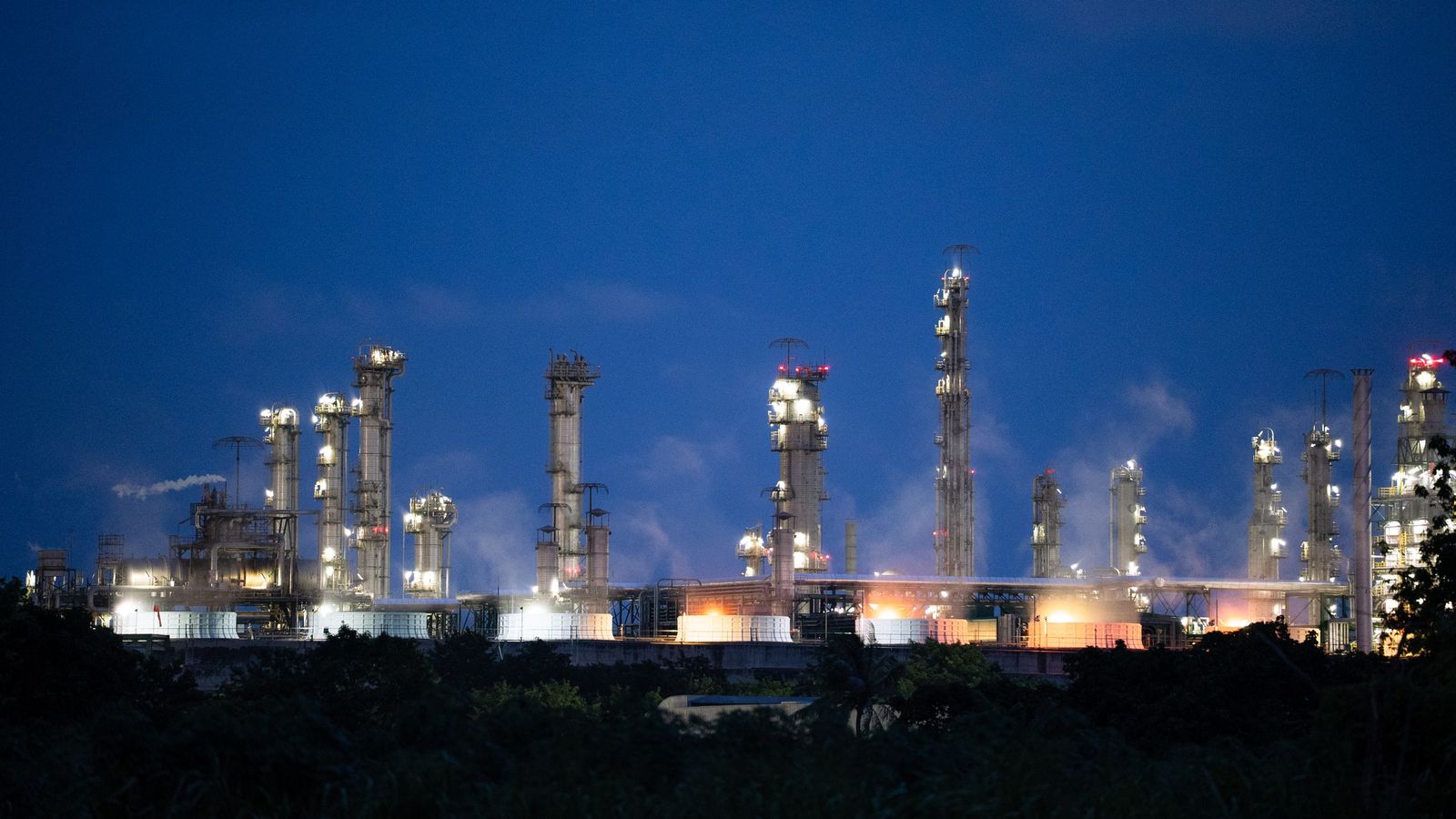
Shell and bp profits jump on refining margins: what the diesel premium costs your business
Shell and bp both reported third quarter 2026 profits far above last year's, mainly from refining. Diesel is 25p a litre dearer than petrol against 8p a year ago, on DESNZ figures. A worked example for a van fleet, and why the footprint should not move with the price.

Binance hack: the carbon footprint of the 18,270 stolen bitcoin
TRM Labs traced USD 6.36 billion taken from Binance on 29 October 2026, including 18,270 BTC. What it took to mine that bitcoin, what it carries to hold and what it took to steal, worked out from the Cambridge and Digiconomist network estimates.
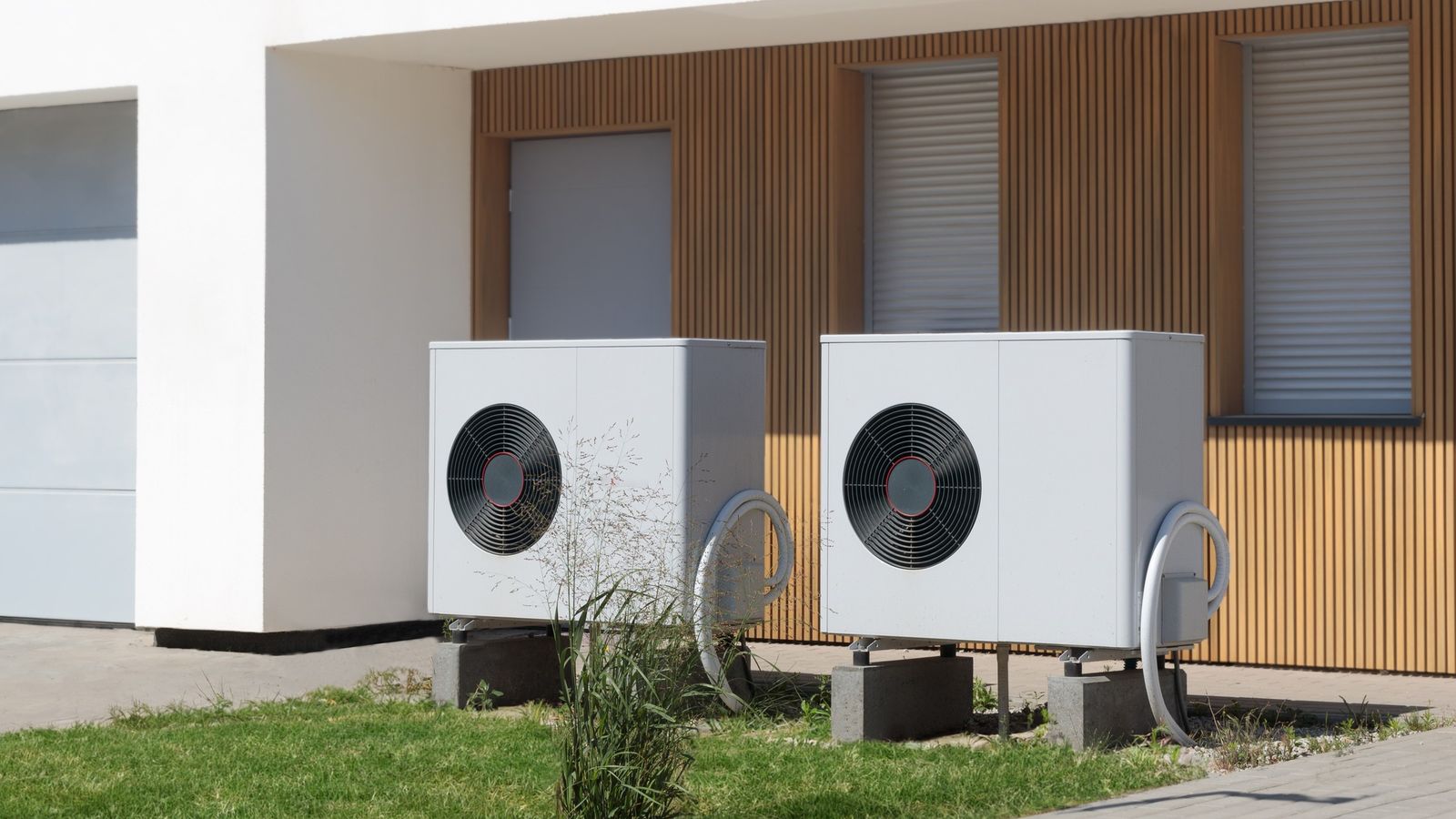
Boiler Upgrade Scheme: record heat pump applications in September, but under 1% of grants go to business buildings
DESNZ reported 9,738 Boiler Upgrade Scheme applications in September 2026, the most since the scheme began, driven by the £9,000 off-gas grant. Business buildings can apply too. Who may qualify and a worked example for a workshop on heating oil.

UK ETS: new 2026 to 2030 targets for 235 hospital and small emitter sites. What the 11% first-year rise means
The UK ETS Authority published updated emissions targets for the brickworks, mills, breweries and hospital energy centres that sit outside the main scheme. Our count of the totals, why 2026 is higher than 2025, the penalty for going over, and a worked example in gas.

China's clean-tech exports to avoid 450 million tonnes of CO2 in 2026. What it means for how you count solar
New analysis for Carbon Brief estimates China's solar, wind, EV and battery exports will avoid about as much CO2 as Brazil emits in a year. Why the same panel counts for less in the UK, and how solar, its manufacturing emissions and avoided emissions fit your report.
Data Centre Covenant: efficiency and energy reporting tests for UK data centres. What it means for your cloud emissions
HM Treasury's Data Centre Covenant asks new data centres to design for a PUE of 1.3 and strategic ones to report energy, water and emissions every year, in return for faster grid connections. Where cloud sits in your footprint and a worked example.

ONS: UK emissions fell 1% in 2025 as manufacturing cut 9.7%. How your business compares
The Office for National Statistics put UK greenhouse gas emissions at 473 million tonnes CO2e in 2025, down 1.0%, with manufacturing down 9.7% and household travel up. What the figures by industry mean for your own Scope 1, with a worked example.

PPN 026 guidance: central government social value is jobs and skills from January, and carbon moves outside it
The Cabinet Office published guidance for PPN 026 on 28 October 2026. From 1 January 2027 the Social Value Model has no carbon outcome, but buyers can still score carbon separately and PPN 006 Carbon Reduction Plans are unchanged above £5 million a year. What changes in your bids.

Budget 2026: electricity VAT cut extended, £100 energy payment and gas standing charges to go. What it means for employers
The 28 October Budget extends 0% VAT on domestic electricity to July 2027, pays £100 to council tax bands A to D in England and asks Ofgem to scrap domestic gas standing charges. Business standing charges stay. Warm Homes Plan cut, heat batteries get 5% VAT, and what it means for homeworking figures.
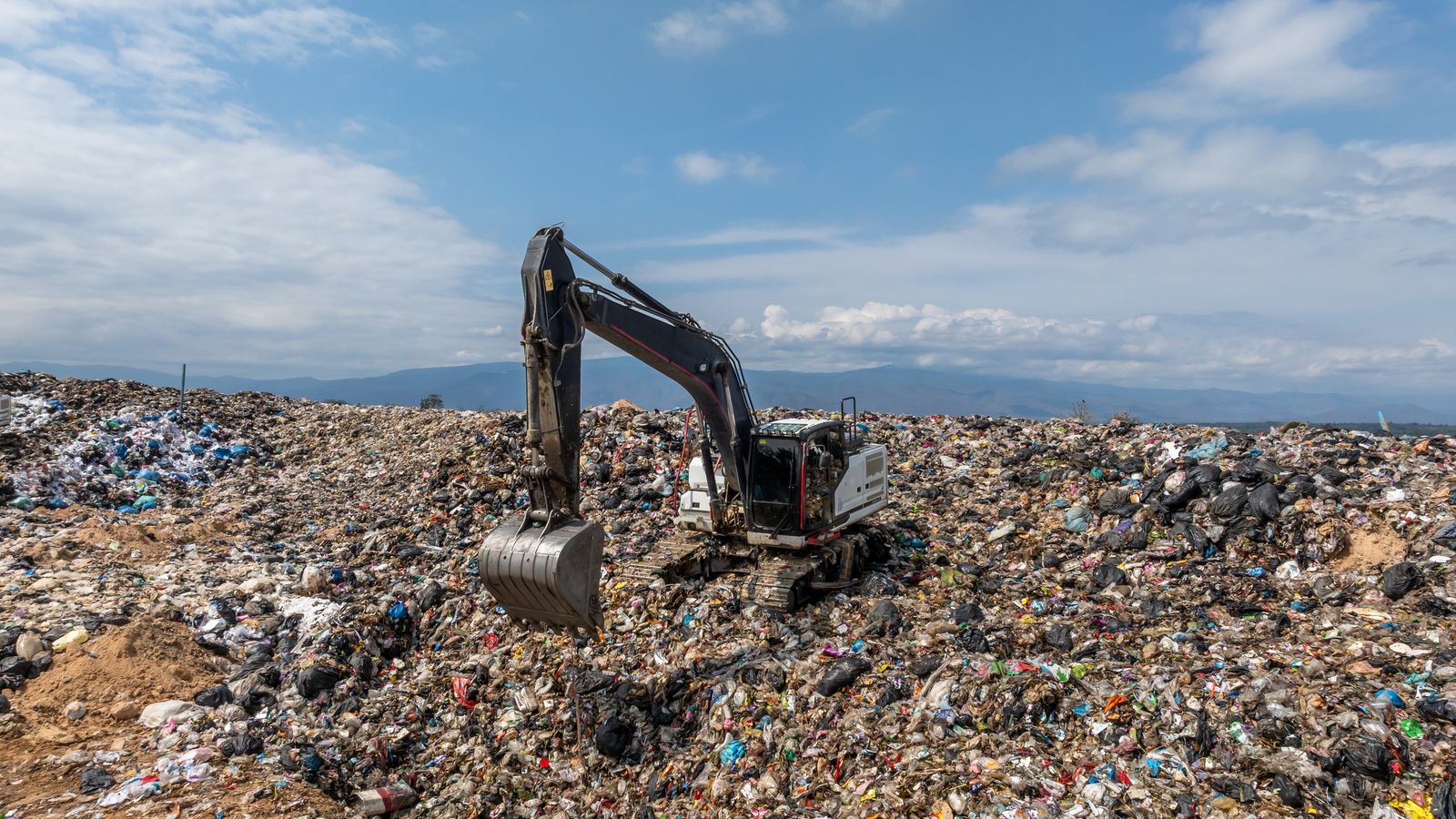
Budget 2026: CBAM to cover refined fuels, Landfill Tax rises and energy from waste stays out of the UK ETS
The Budget sets country-specific UK CBAM default values from 2029, consults on adding petrol, diesel and jet fuel to CBAM until 20 January 2027, raises Landfill Tax to £136.70 a tonne from April 2027, delays energy from waste in the UK ETS and makes recycled plastic certification mandatory for Plastic Packaging Tax from 2030.
Budget 2026: fuel duty cut extended, a 35p mileage rate and company car tax to 2031. What it means for your fleet
The 28 October Budget extends the 5p fuel duty cut to July 2027, makes the 55p mileage rate permanent, raises the rate above 10,000 miles to 35p, sets 2030-31 company car tax and clarifies 20% VAT on charging. Why none of it changes the carbon of a business mile.
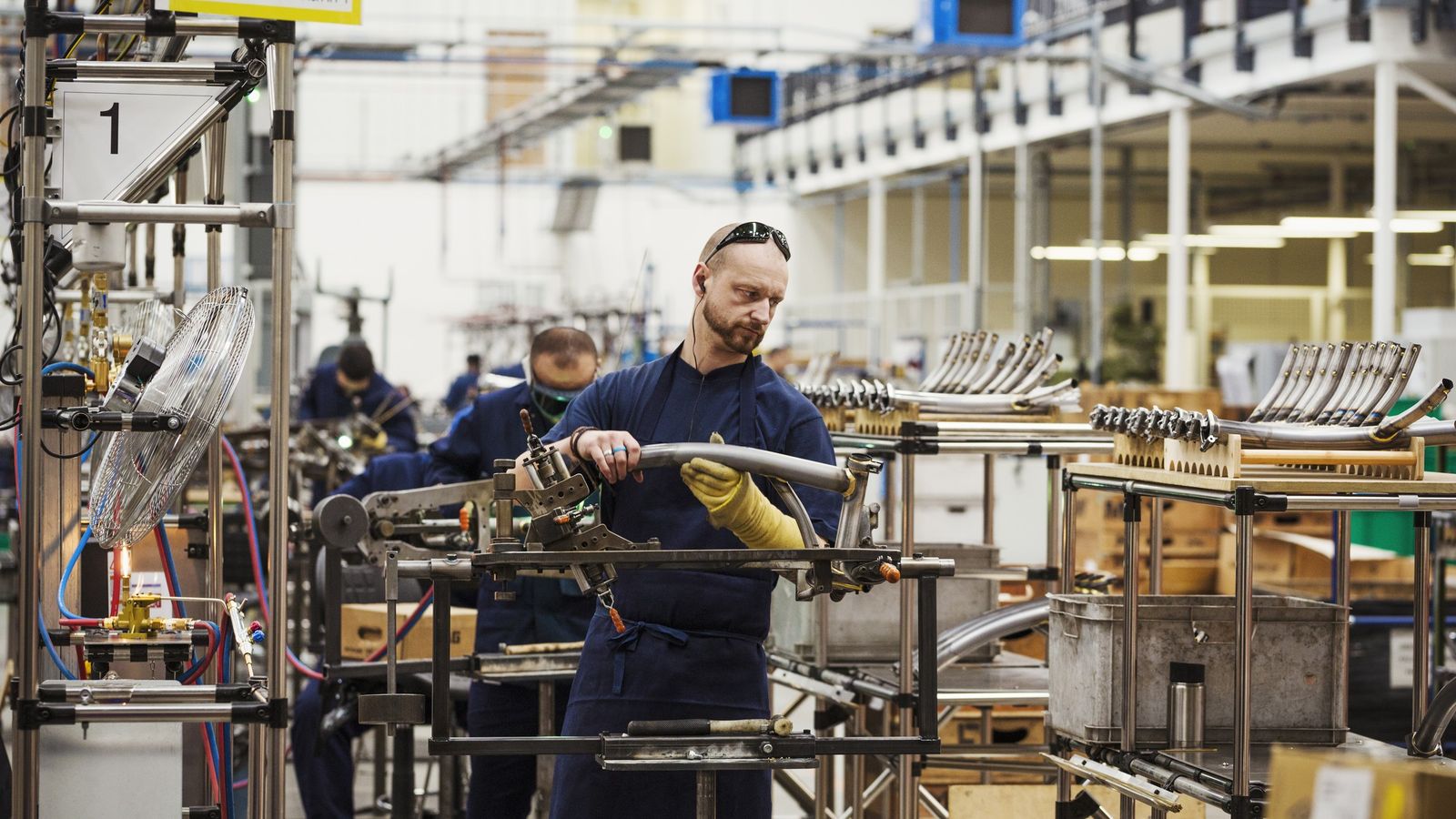
Budget 2026 and business energy: BICS funded, Climate Change Levy on electricity frozen, Carbon Price Support to go
Up to 25% off electricity for over 10,000 manufacturers from April 2027, the CCL electricity rate frozen from April 2028, Carbon Price Support removed, the Gas Shipper Obligation scrapped and no new policy costs on bills until 2027. What each means for your bills, and why none changes your carbon footprint.
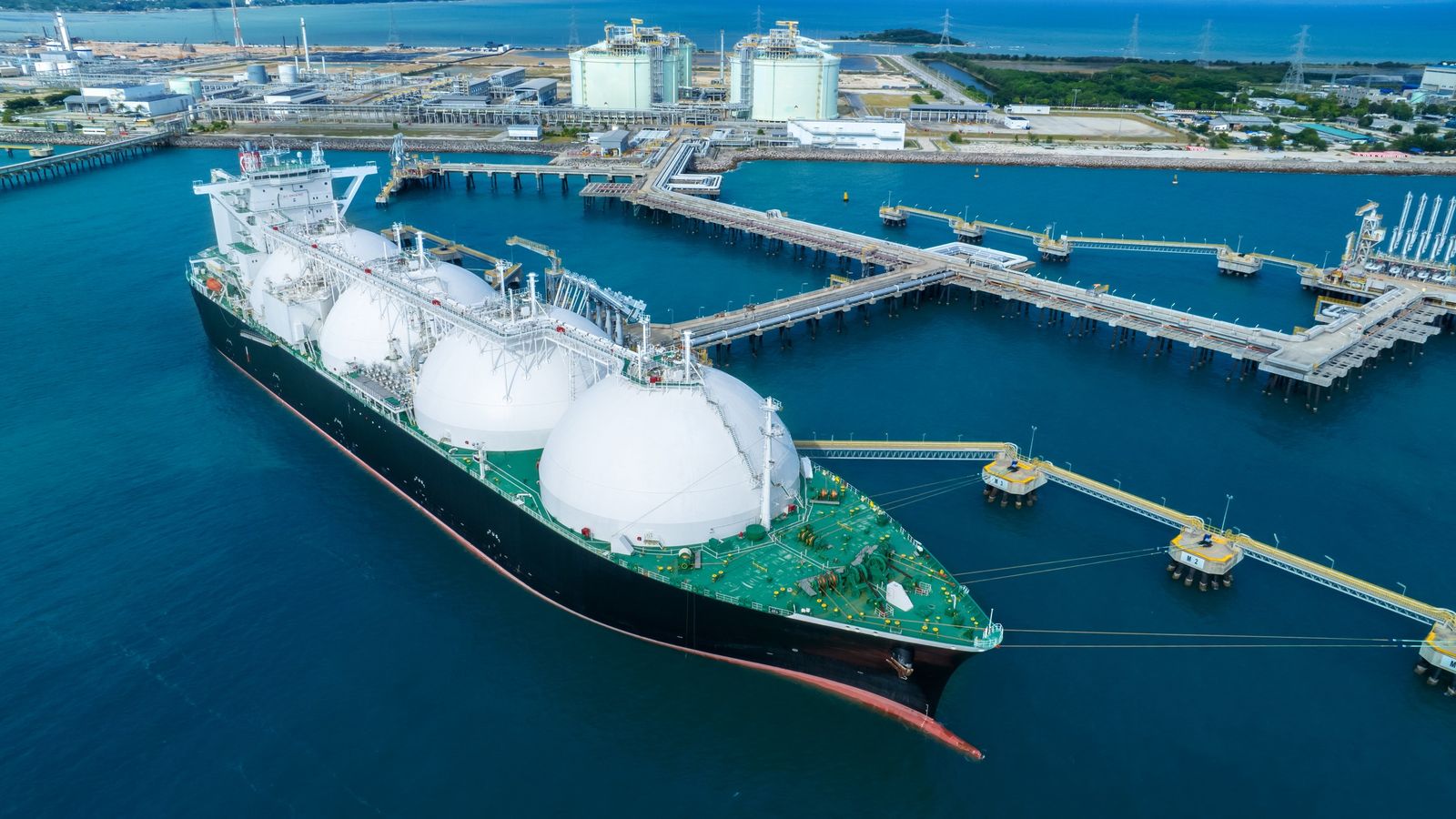
US proposes looser methane rules and MEPs back a three-year EU delay: what it means for UK gas emissions
EPA has proposed rolling back its 2024 oil and gas methane standards and the European Parliament wants importers' methane checks pushed to 2031. Neither is final. Why methane matters, how much UK gas comes from the US, and why your 2026 gas factor doesn't change.
UN: national climate plans add up to a 6% cut in global emissions by 2035. What it means for your business
The UNFCCC's 2026 NDC Synthesis Report finds countries' pledges cut global emissions about 6% below 2019 levels by 2035, half last year's figure. How it differs from UNEP's gap report, the UK's 81% target, and what to do now.
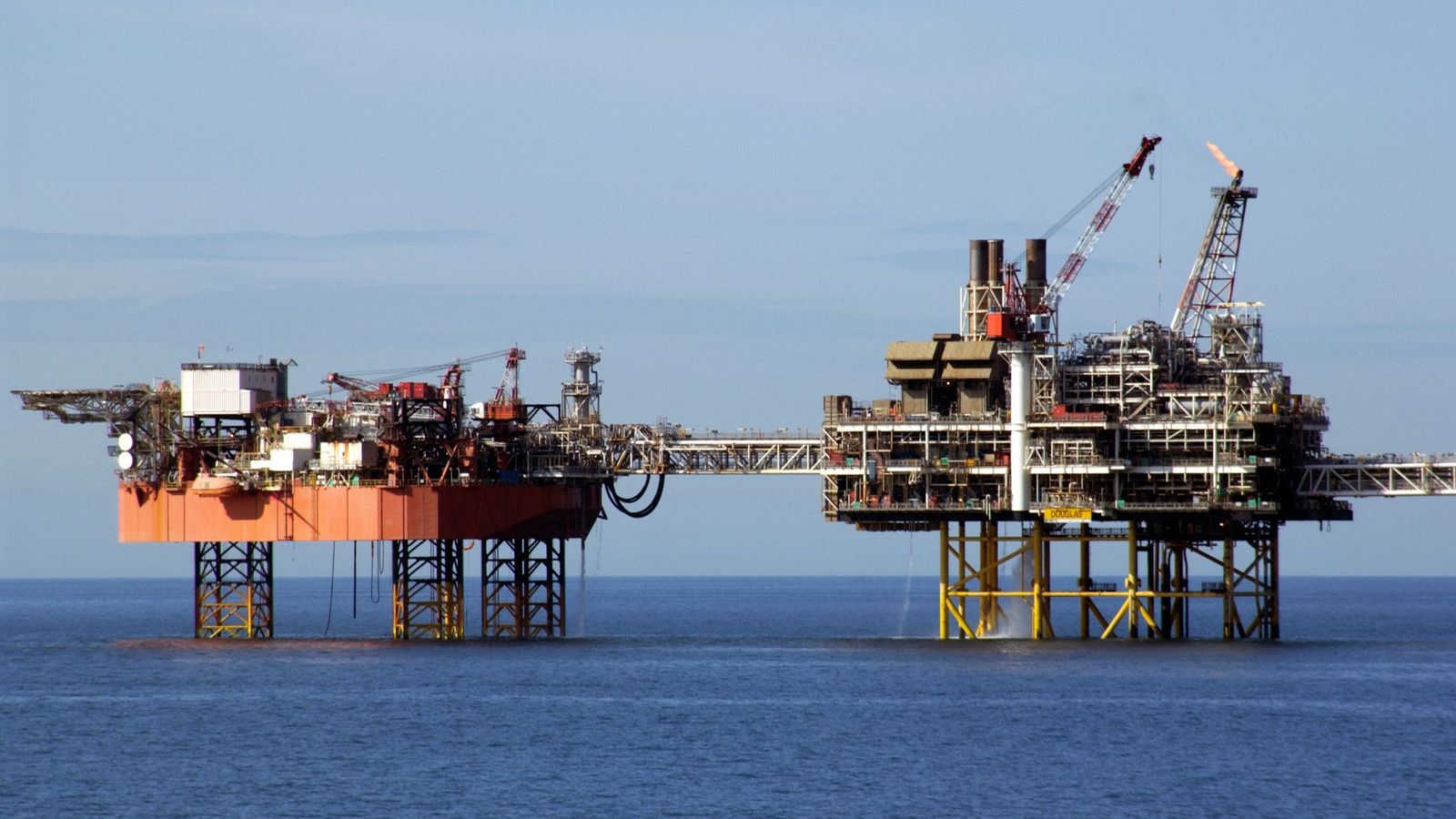
Jackdaw gas field approved, Rosebank still undecided: what it means for your business
The Energy Secretary agreed consent for the Jackdaw gas field after counting 35.8 million tonnes CO2e from burning and transporting its output, as the Finch ruling requires. Why it does not change gas prices or your 2026 Scope 1 factor, and what to watch on Rosebank.
MPs call Sizewell C a 'terrible deal': what the nuclear levy means for business electricity bills
The Public Accounts Committee says bill payers could pay £9.8bn more during construction and £12bn more over 60 years if costs reach £47.7bn; the government says it could save £2bn a year. How the nuclear RAB levy reaches a business bill, and why your 2026 carbon figures don't change.
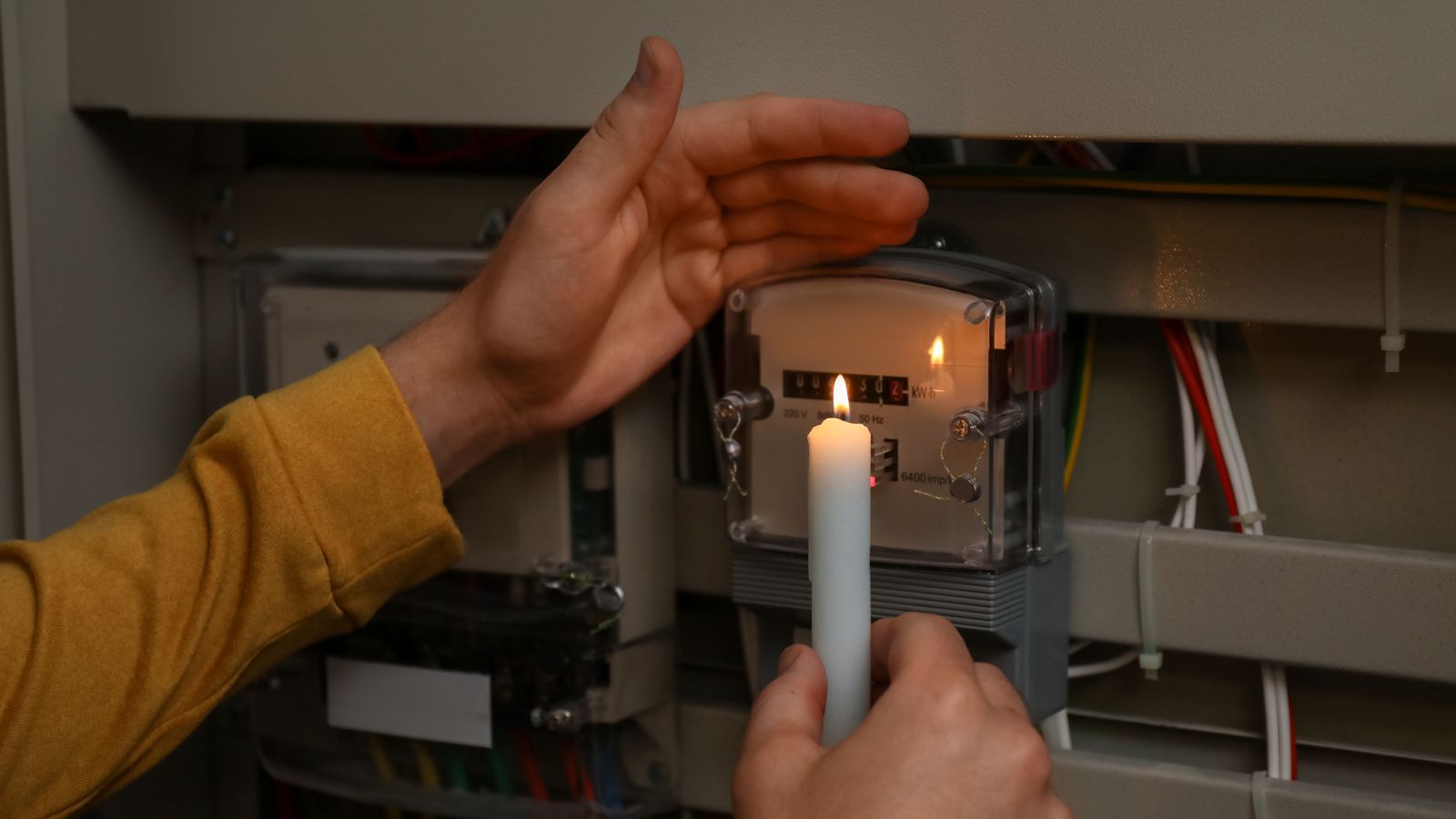
Storm Boelo leaves 160,000 properties without power: what a business may claim and how to record the outage
838,700 properties faced power cuts across Storms Austen and Boelo, SSEN expects reconnections to run into Tuesday, and more wind is due on 27 October. The severe weather payment standards for businesses, and a three-day generator worked example.

Government to step in on water bills: what it means for business water users
The Environment Secretary has reportedly set priorities for the next water price review. What is confirmed, what it means for businesses in England, and why to report water in cubic metres.
Retailers lag on livestock methane: what food suppliers should expect
None of the 20 food retailers in the Methane Action Tracker acts on livestock methane. What that means for UK food suppliers' Scope 3, and how to estimate it.
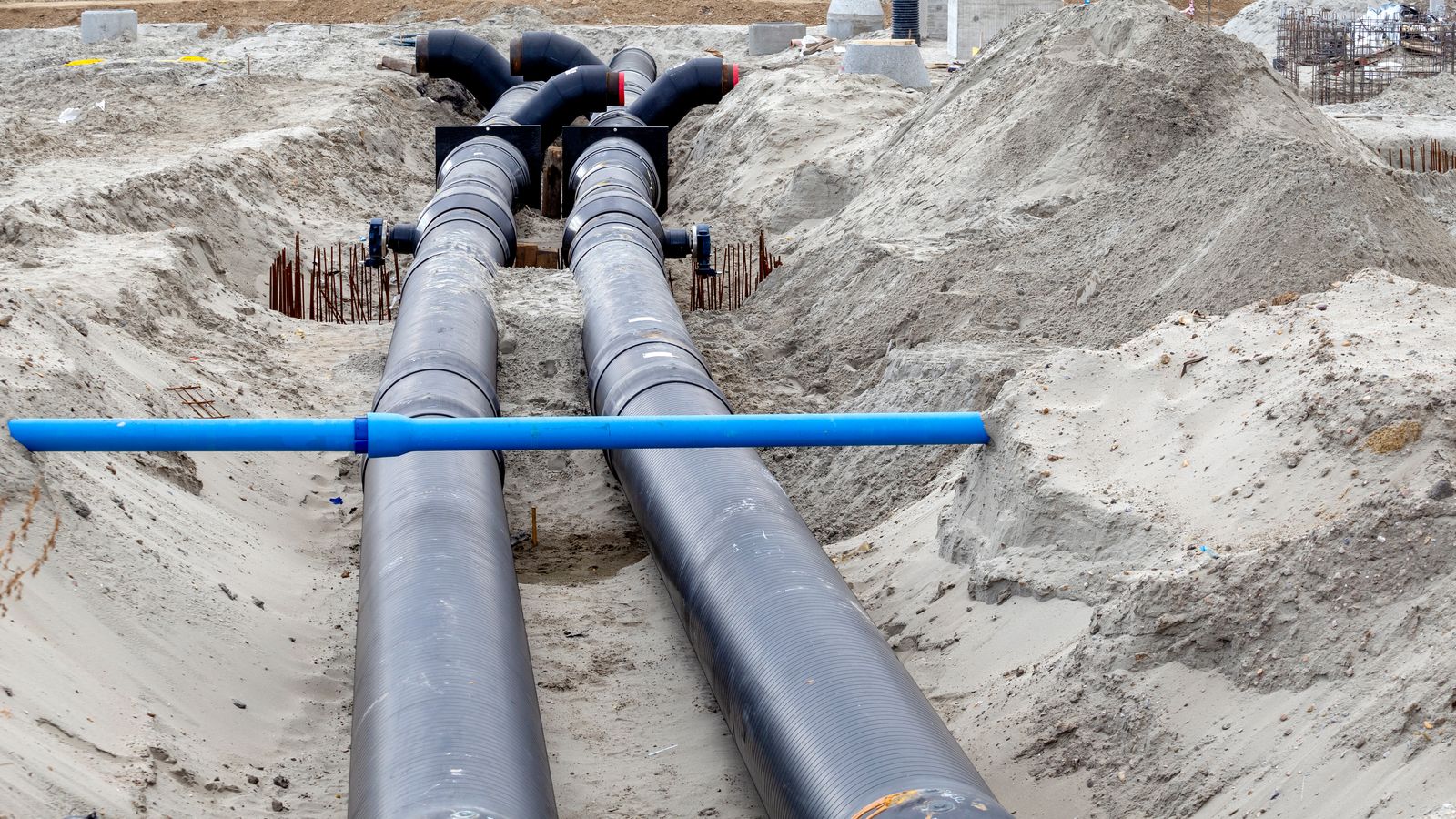
Heat networks are growing: how to report heat from one in your carbon footprint
The minister's 22 October heat networks speech, Ofgem regulation and zoning in England, and how a business reports heat network heat as Scope 2.
Government weighs lower electric car and van targets: what the ZEV mandate review means for your fleet
The ZEV mandate consultation closed on 23 October with 2030 options from 80% to 50% for cars and 70% to 40% for vans. What it changes for a business fleet, and a diesel versus electric van worked example.

Storms Austen and Boelo, and the government's Be Ready campaign: power cuts and your carbon records
Power cuts from Storm Austen, the Met Office amber warning for Storm Boelo and the new Be Ready campaign: why you report the kWh you used, generator fuel as Scope 1, and severe weather in tenders.
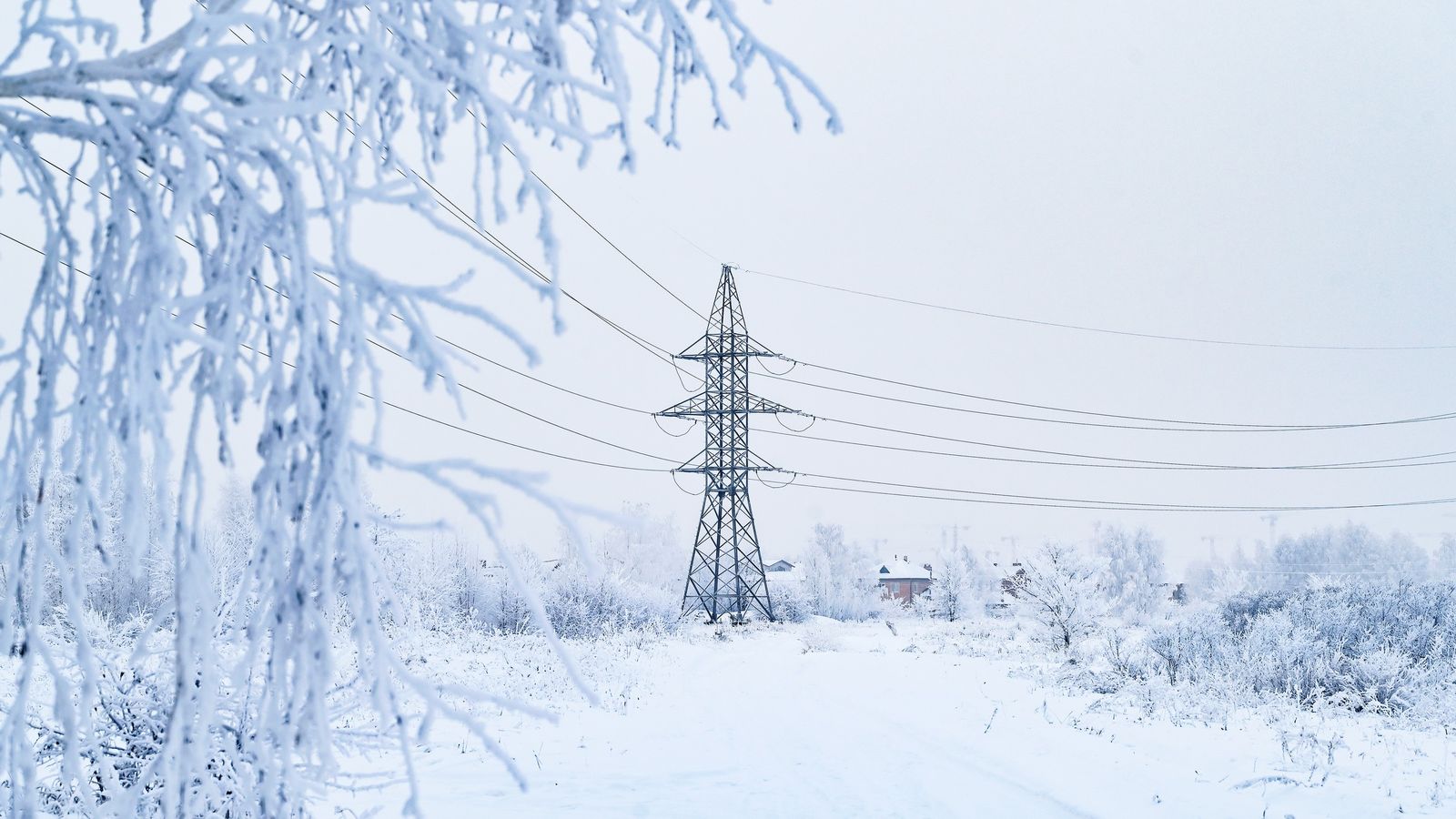
Gas and electricity supply should hold this winter: what it means for your business
DESNZ's gas security risk assessment and the NESO and National Gas winter outlooks for 2026/27, why winter is when Scope 1 and 2 grow, and a winter quarter worked example.

Tougher energy standards proposed for industrial fans and standby power
DESNZ is consulting until 24 December 2026 on stricter GB ecodesign rules for industrial fans and standby power: what changes, and what it means for your electricity footprint.
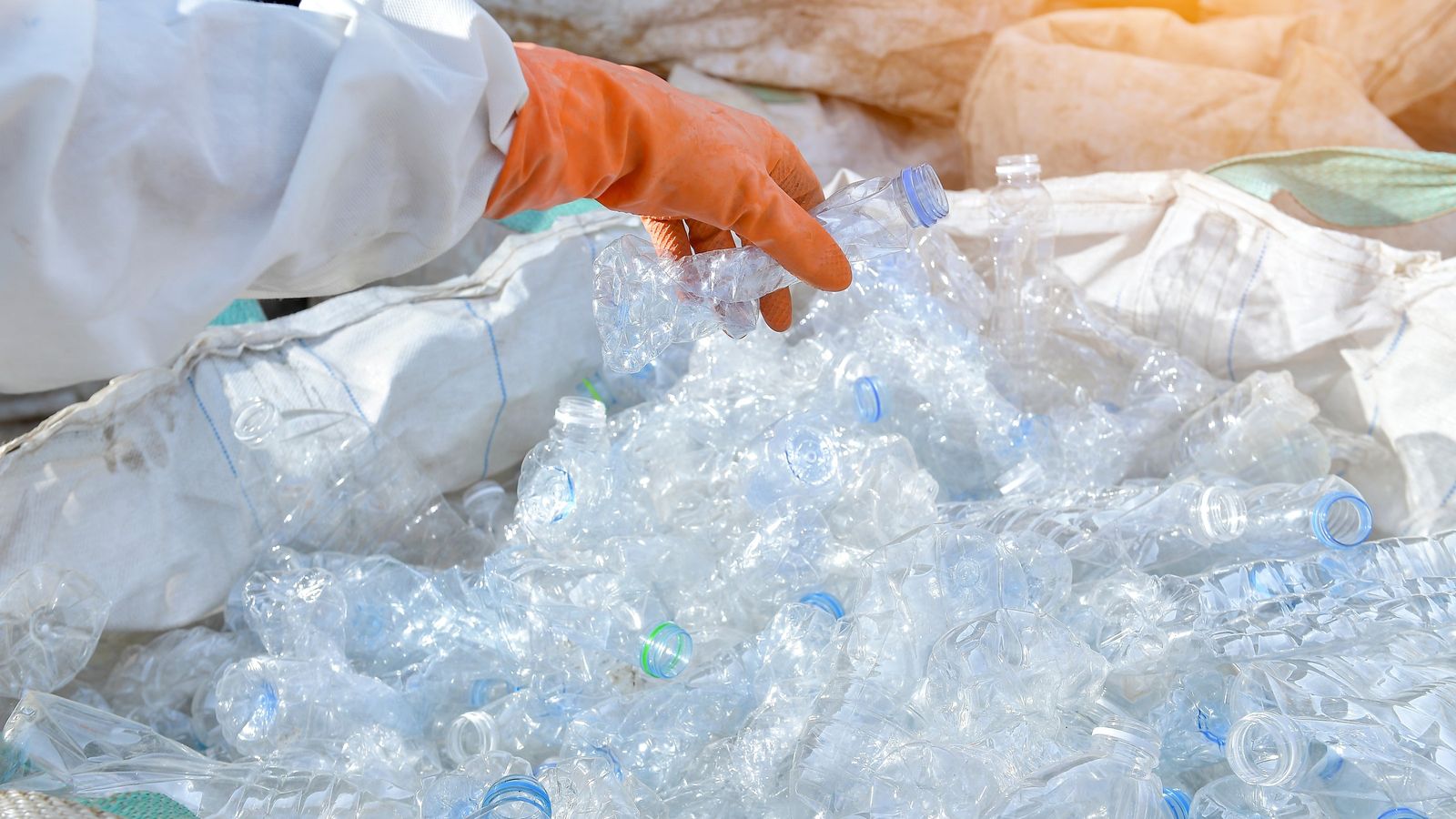
Coca-Cola, Nestlé and Danone change recycling claims: lessons for UK firms
After an EU consumer action, '100% recycled' bottle labels will say 'Excluding cap and label'. What UK firms should check under the Green Claims Code.
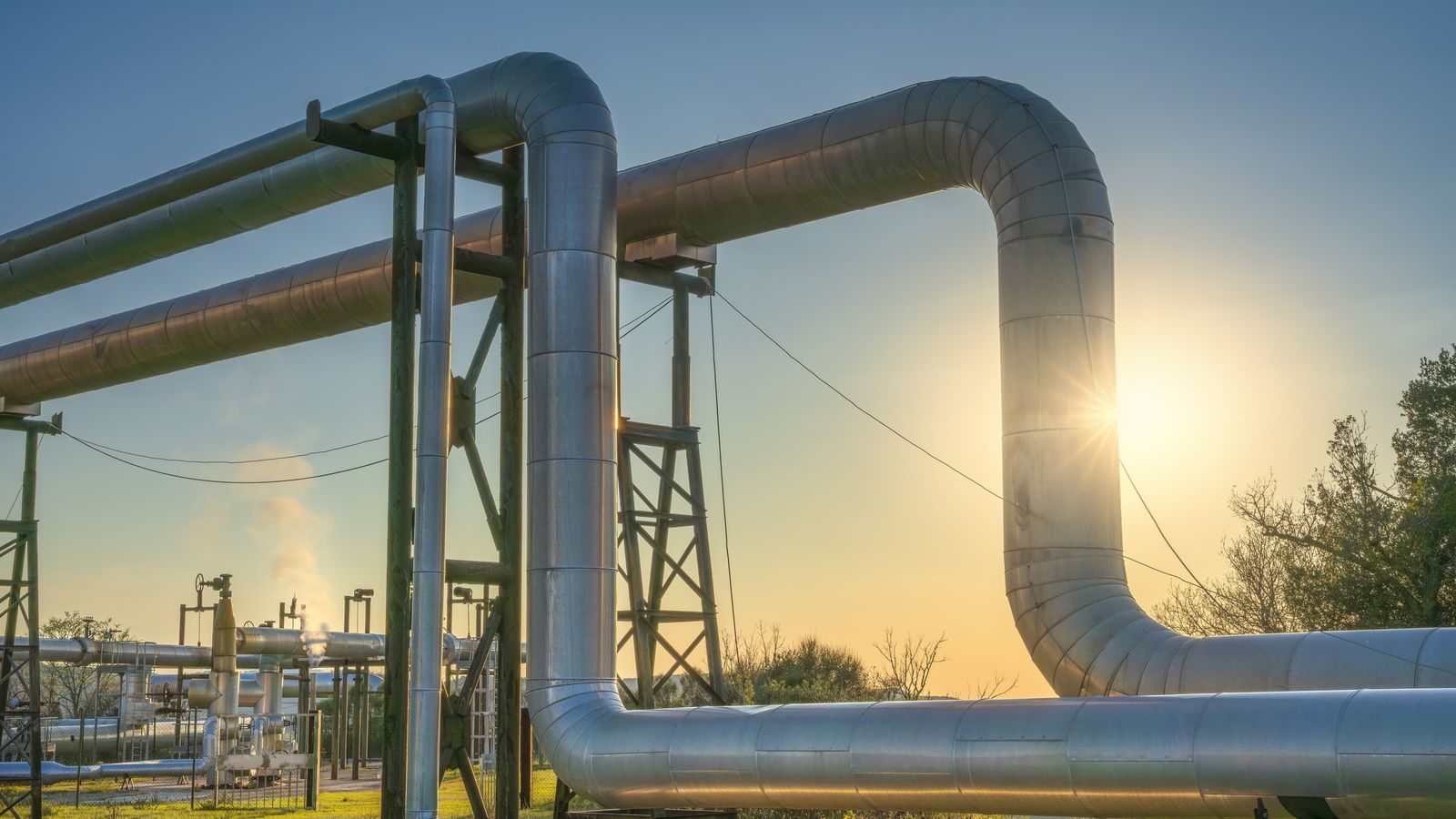
Who pays for the gas network as demand falls? Government asks for evidence
DESNZ asks how gas network and disconnection costs should be recovered as gas use falls, closing 23 December 2026, and what it means for businesses on gas.

Most firms set sustainability targets, but few explain when they miss them
WBCSD found 97% of member firms set targets but only 33% say if they're on track: how a small business reports a rise honestly, with a cold-year example.

ISSB proposes nature-related reporting requirements: what it means for suppliers
The ISSB's draft nature Practice Statement is open for comment until 19 February 2027. It is voluntary unless adopted, but customers may ask suppliers about water, waste and sites.

Red tape cuts and simpler corporate reporting: what changes for carbon reporting
The 23 October 2026 red tape package simplifies corporate reporting, but SECR, PPN 006 Carbon Reduction Plans and customer requests are unchanged.
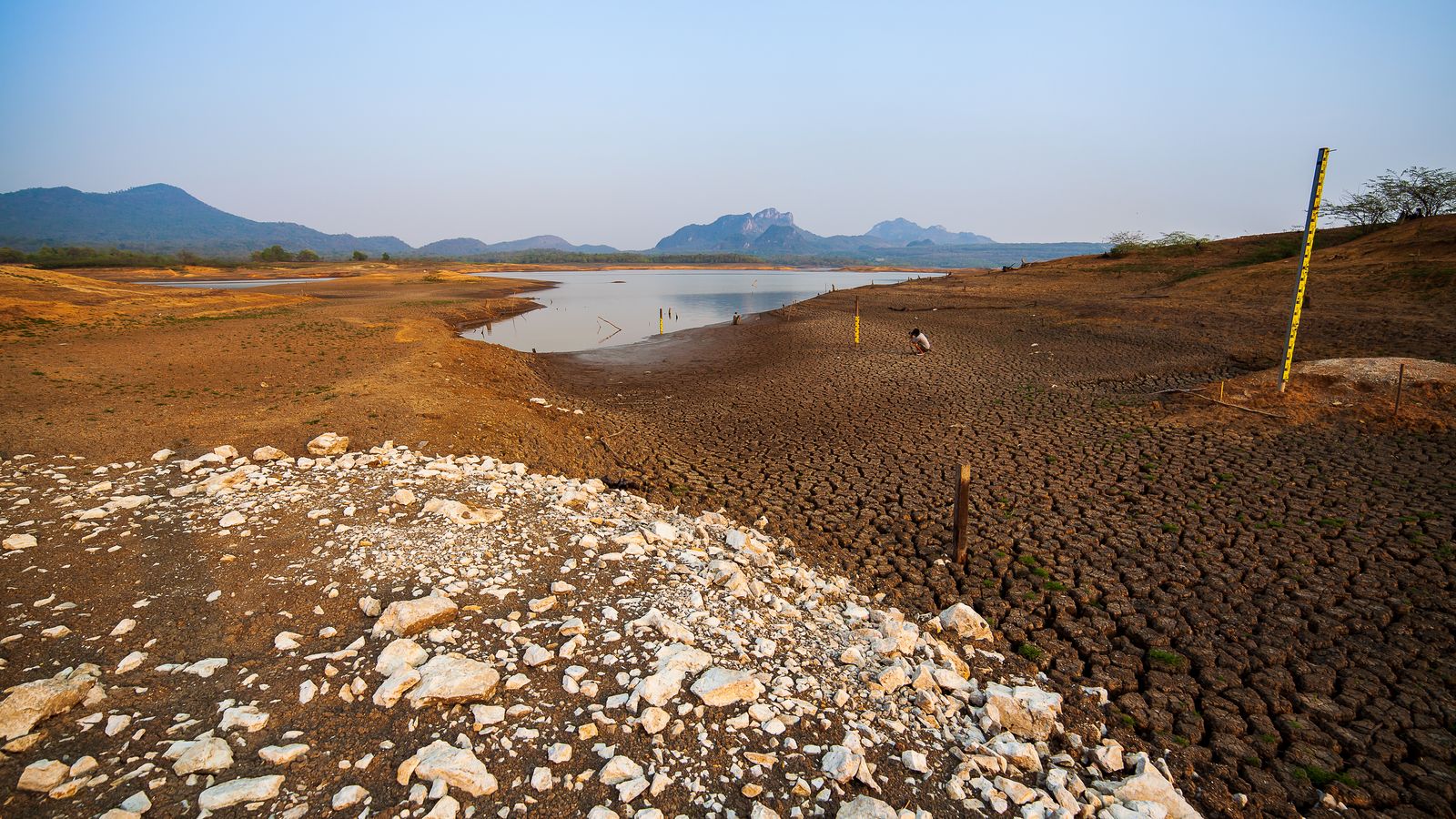
Drought could run into 2027: what water company bosses told the National Drought Group
The 20 October 2026 update, the 120% rainfall test for spring, possible non-essential use bans, and what a small business should do about water and its carbon report.
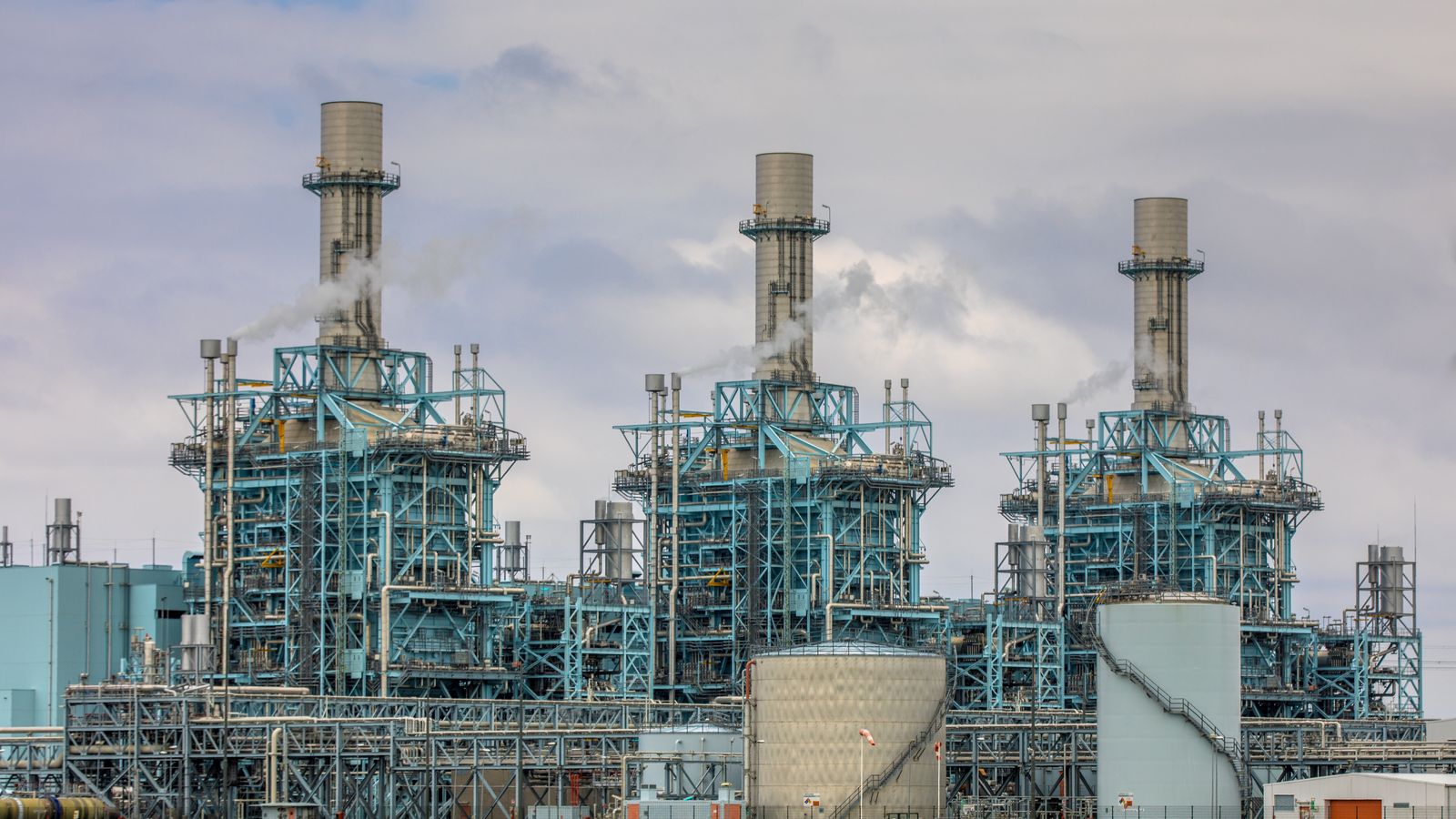
Expensive gas behind nearly 90% of the rise in UK electricity bills: what it means for your business
Nesta's analysis for Carbon Brief of household bills since 2020, why your carbon factor and your price move differently, and why tracking kWh monthly cuts both.
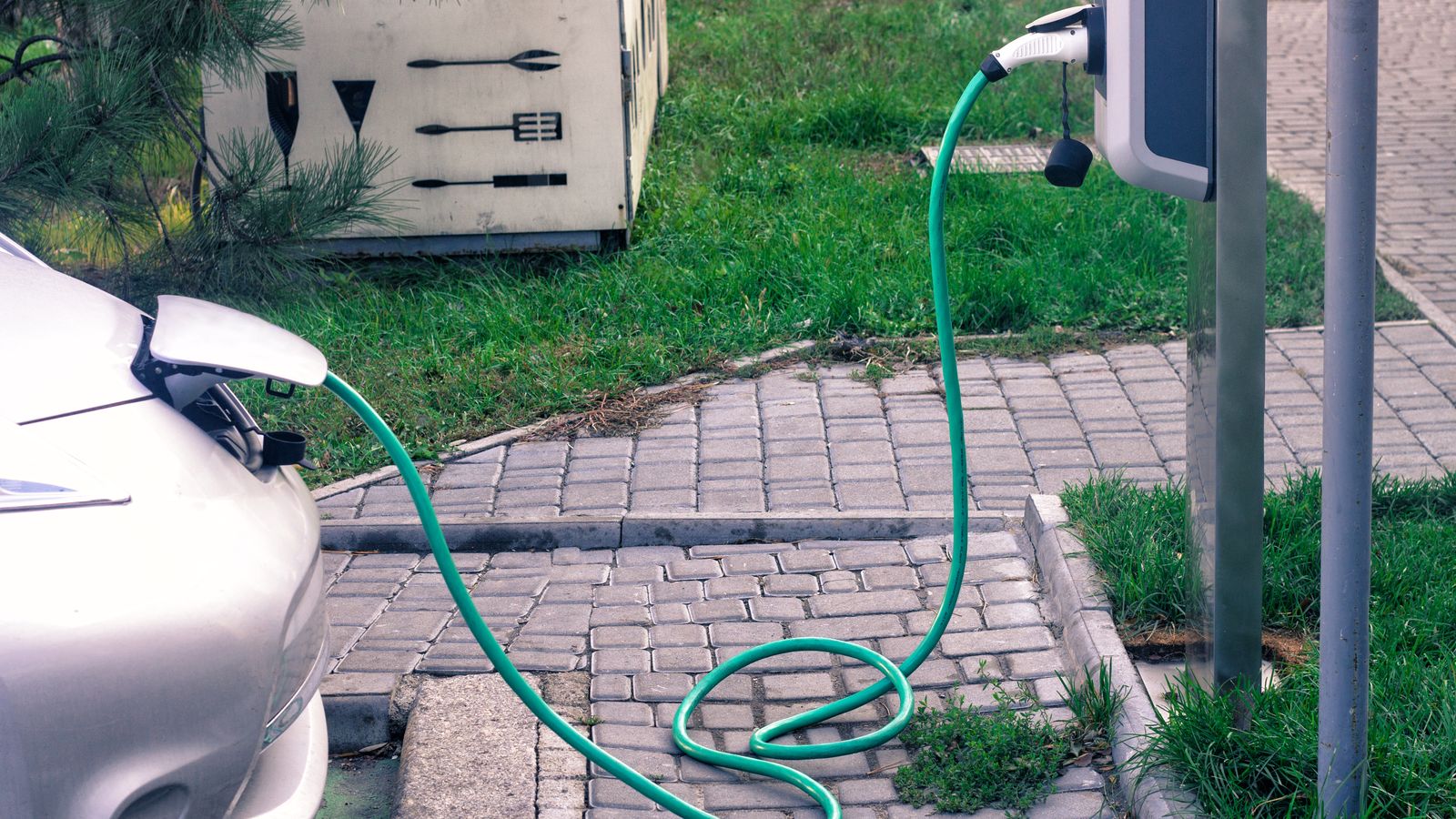
Cross-pavement EV chargers no longer need planning permission: what it means for company cars
England's new permitted development right for pavement charging channels, the council's role, which scope home charging goes in, and a car and van worked example.

Government launches a Climate and Nature Security Taskforce: what it signals for small businesses
What the new taskforce will do, who chairs it, and why a simple climate risk register for your sites is the sensible response.

DESNZ publishes public sector emissions reporting guidance: what it means for suppliers
The 21 October 2026 technical report for public bodies in England sets no new supplier rules, but says Scope 3 is more accurate with supplier data.

MPs say the UK is unprepared for wildfires: what extreme heat means for small businesses
The EFRA Committee's wildfire report and MSCI's heat research, what heat means for staff, premises, stock and supply, and what cooling adds to your footprint.
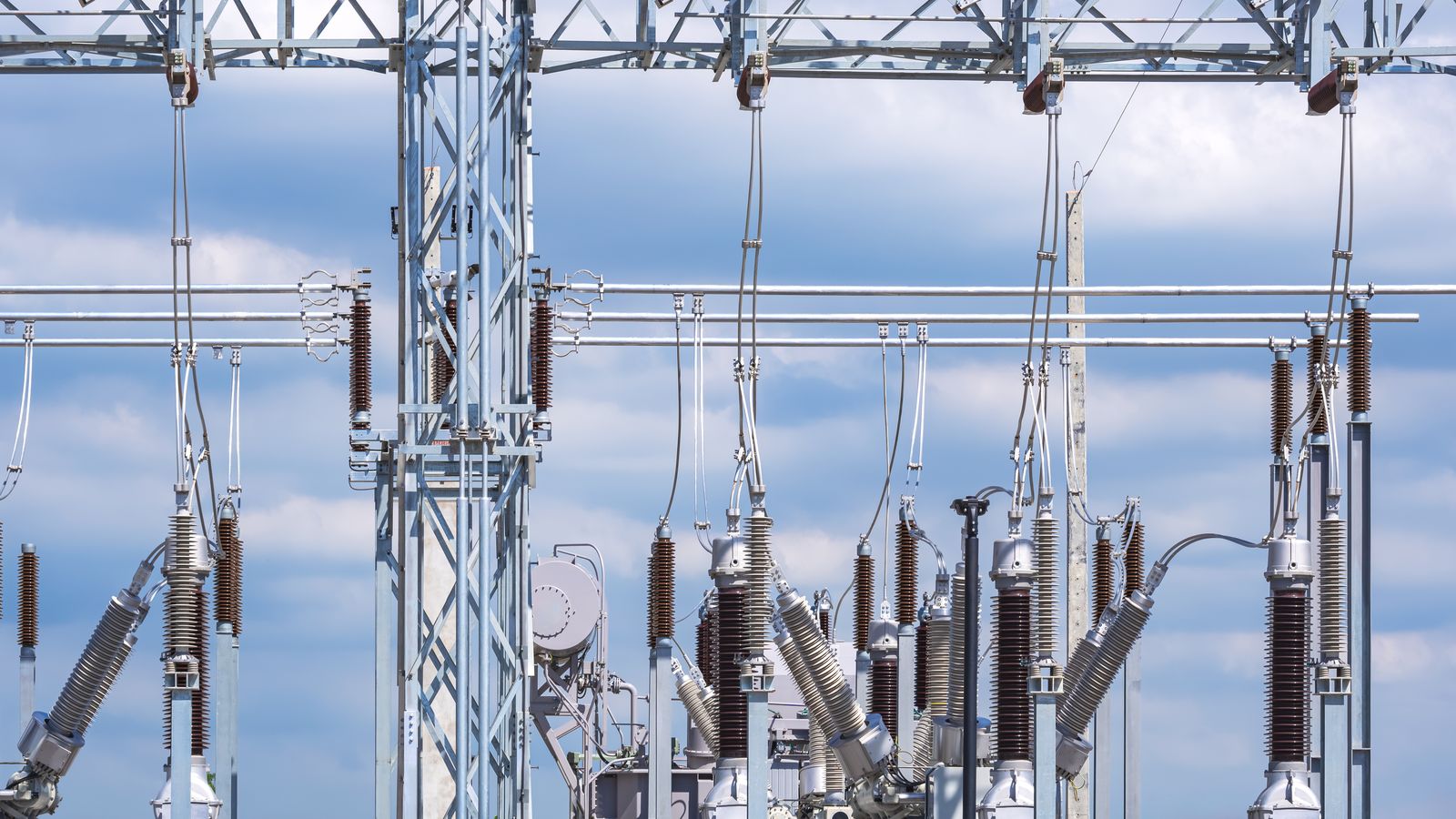
DESNZ report maps a path to SF6-free switchgear: what it means if you own a substation
Ramboll's research for DESNZ on phasing SF6 out of new switchgear by voltage, why SF6 leaks are Scope 1, and what to ask your HV maintenance contractor.

UNEP Emissions Gap Report 2026: 1.5°C overshoot and what it means for your targets
UNEP says warming will pass 1.5°C and global emissions must fall 18% by 2030. What that means for a small firm's near-term target, with a worked example.

MPs urge moving energy levies from electricity to gas: what it means for heat pumps and EVs
The Commons energy committee's 21 October report recommends shifting policy costs off electricity. What it is, what it isn't, and the carbon case for electrifying heat and fleet.
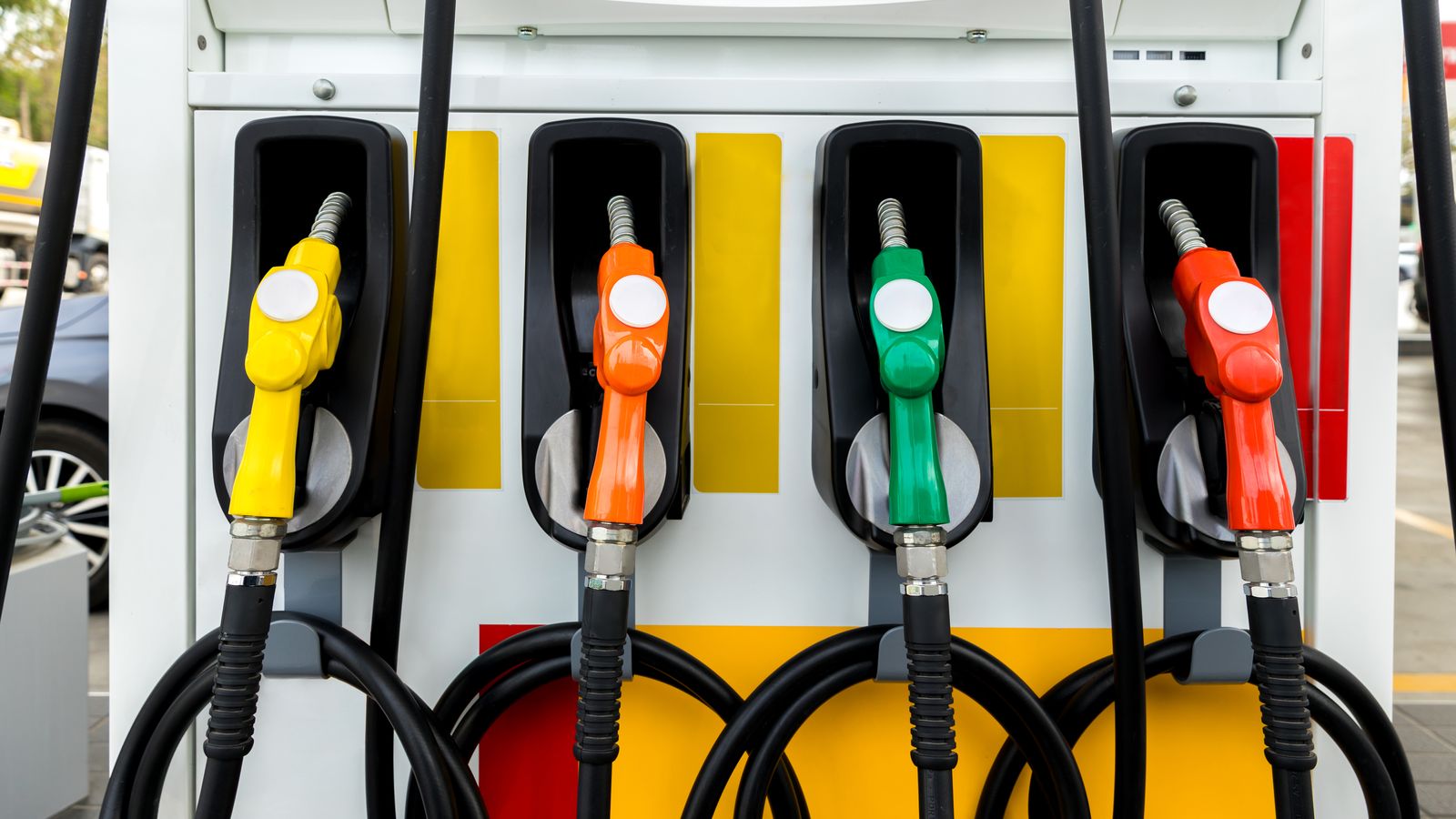
Diesel hits 200p a litre: why fleet emissions should be counted in litres, not pounds
Record diesel prices make spend-based fleet emissions look higher with no extra driving. A worked example, what to ask your fuel card provider, and the Apache strike.
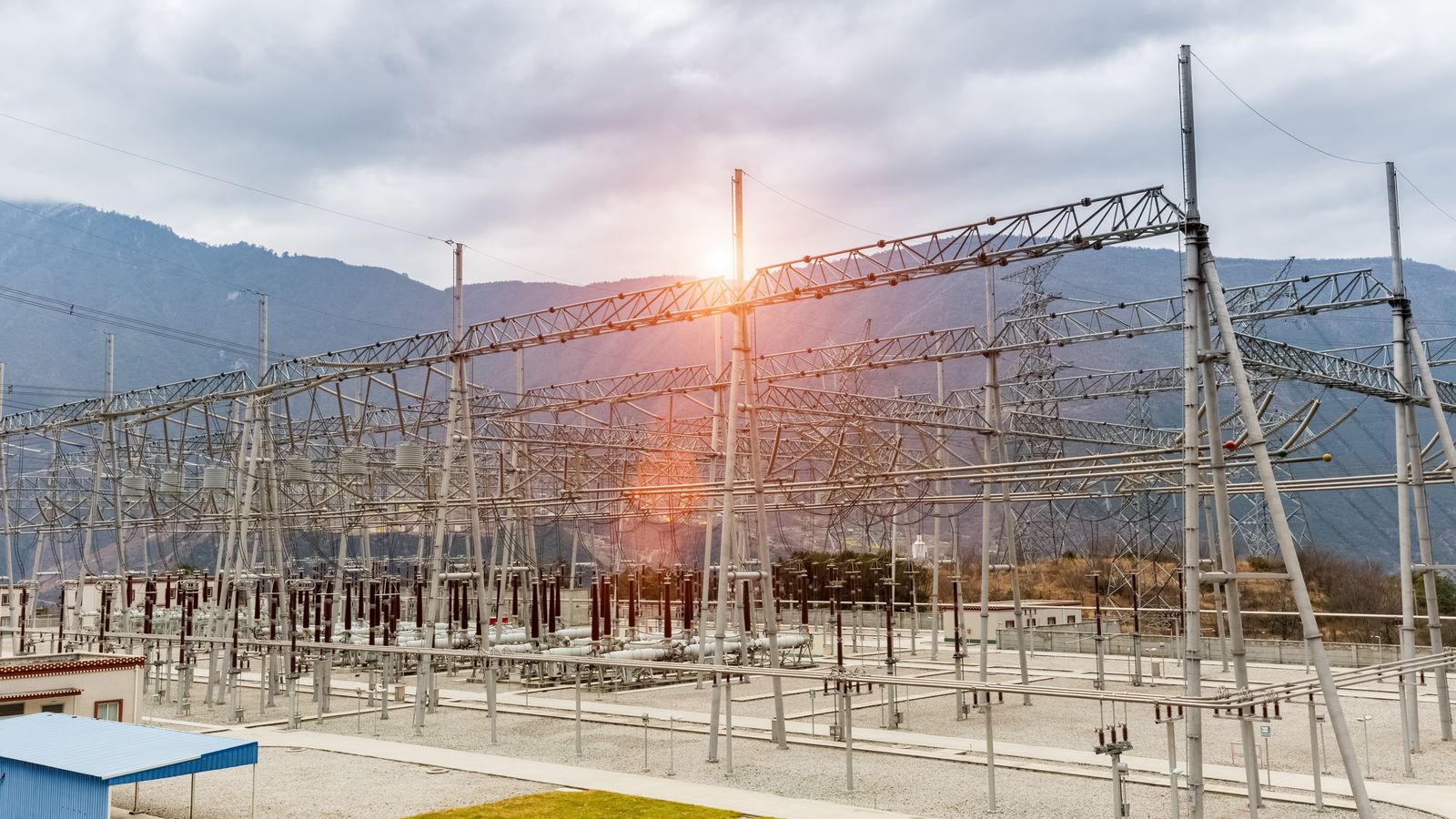
Grid growth plan: £58bn and 48,000 jobs, and why your Scope 2 keeps falling
ENA and BEAMA's Electricity Networks Sector Growth Plan, and what a cleaner grid means for location-based Scope 2, kWh reporting and targets.
ESMA's 2026 enforcement priorities: what EU-listed customers will ask their UK suppliers
The EU markets regulator will check listed companies' climate targets and value chain disclosures for 2026. Not a UK rule, but expect more detailed supplier data requests.
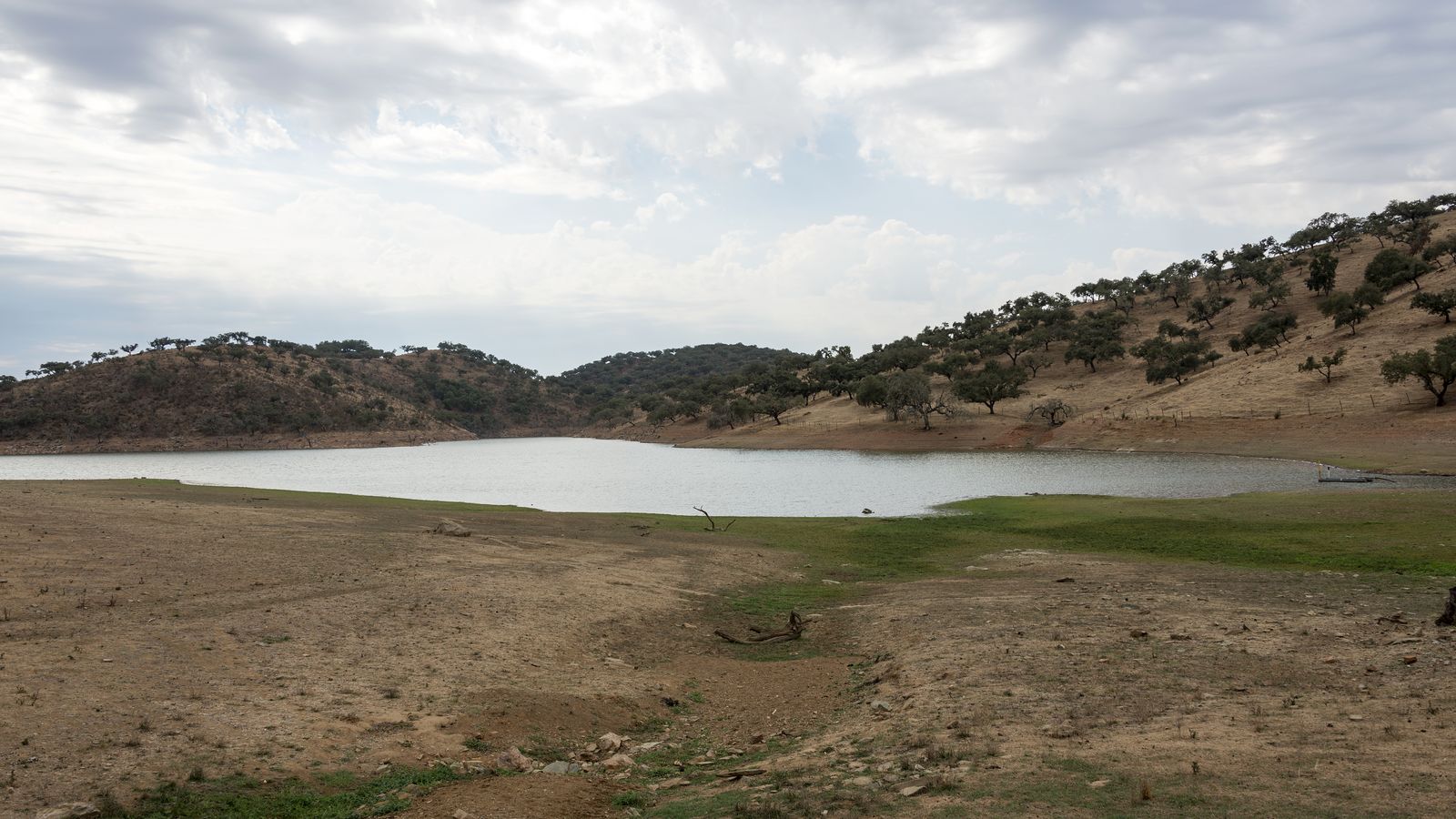
Severe drought: government directs the Environment Agency to protect water supplies
The 15 October 2026 direction for the areas around Wimbleball, Ardingly, Roadford and Colliford, what it means for small businesses and where water sits in your carbon report.
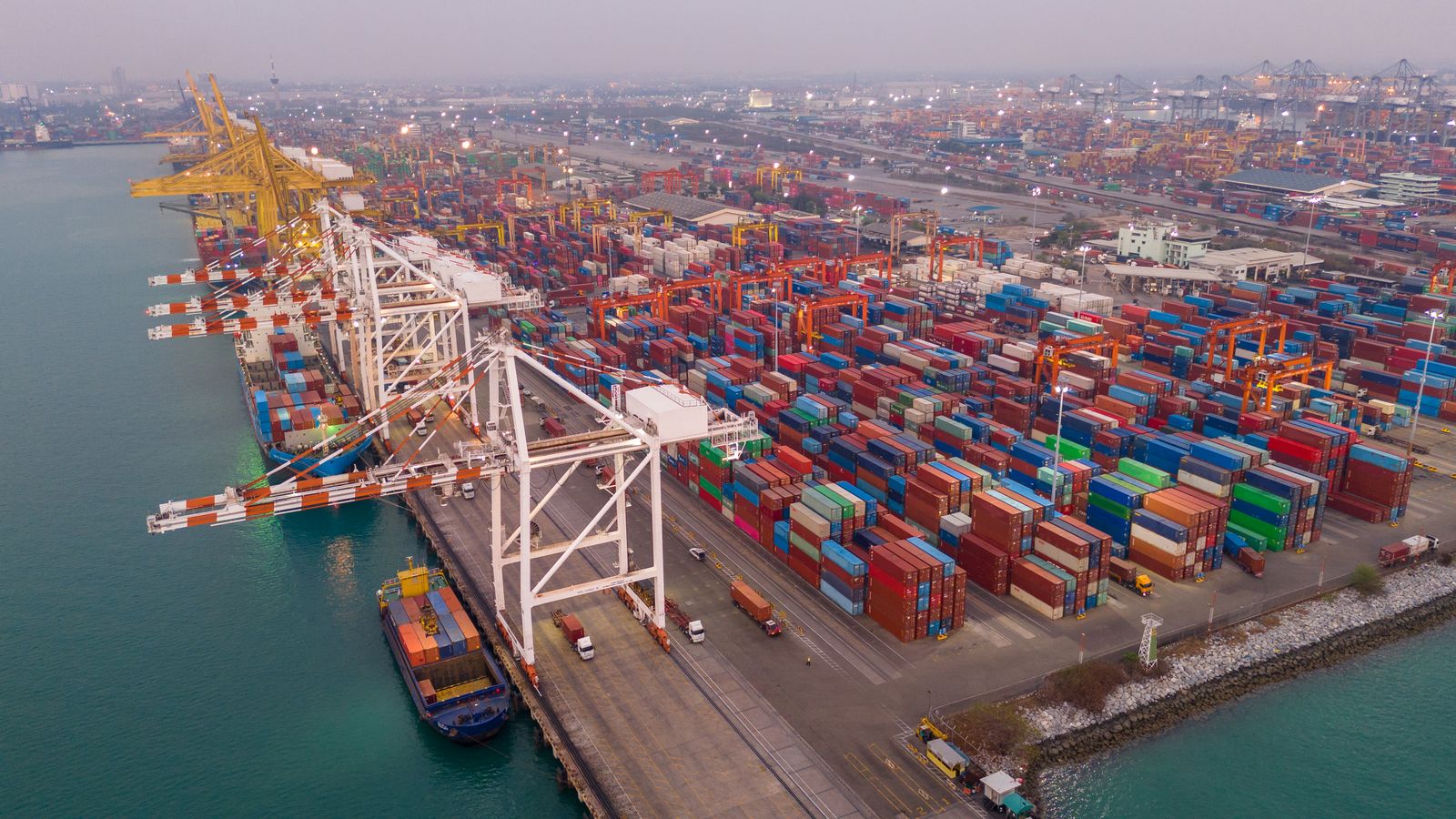
EU CBAM and UK CBAM: what's different and what UK exporters need
The EU and UK carbon border taxes side by side, where the UK-EU emissions trading link stands, and what EU customers will ask UK exporters for.
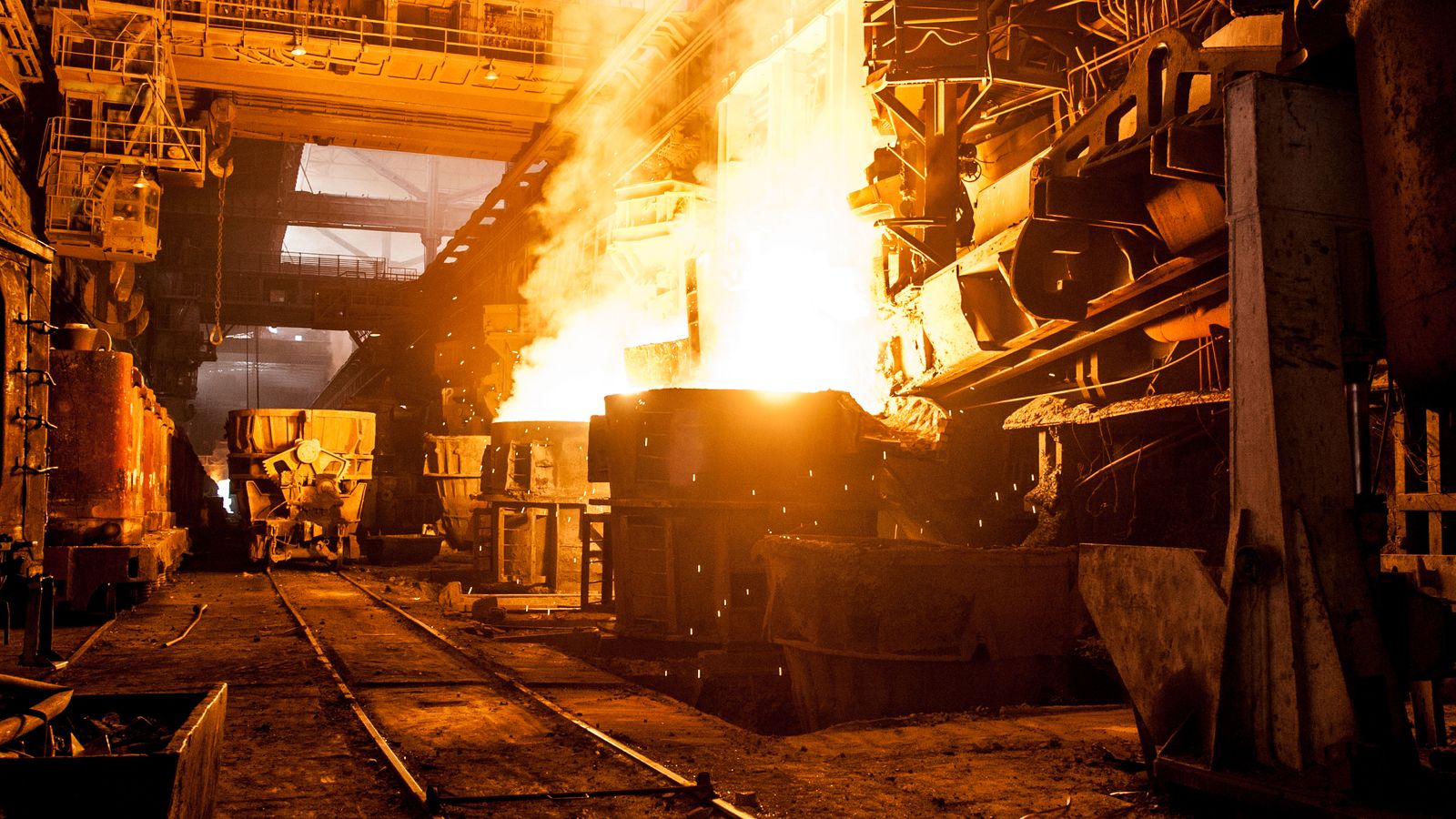
UK CBAM: illustrative 2027 rates and default values published
The government's illustrative CBAM rates by sector, the new default emissions values and why verified supplier data now saves importers money.
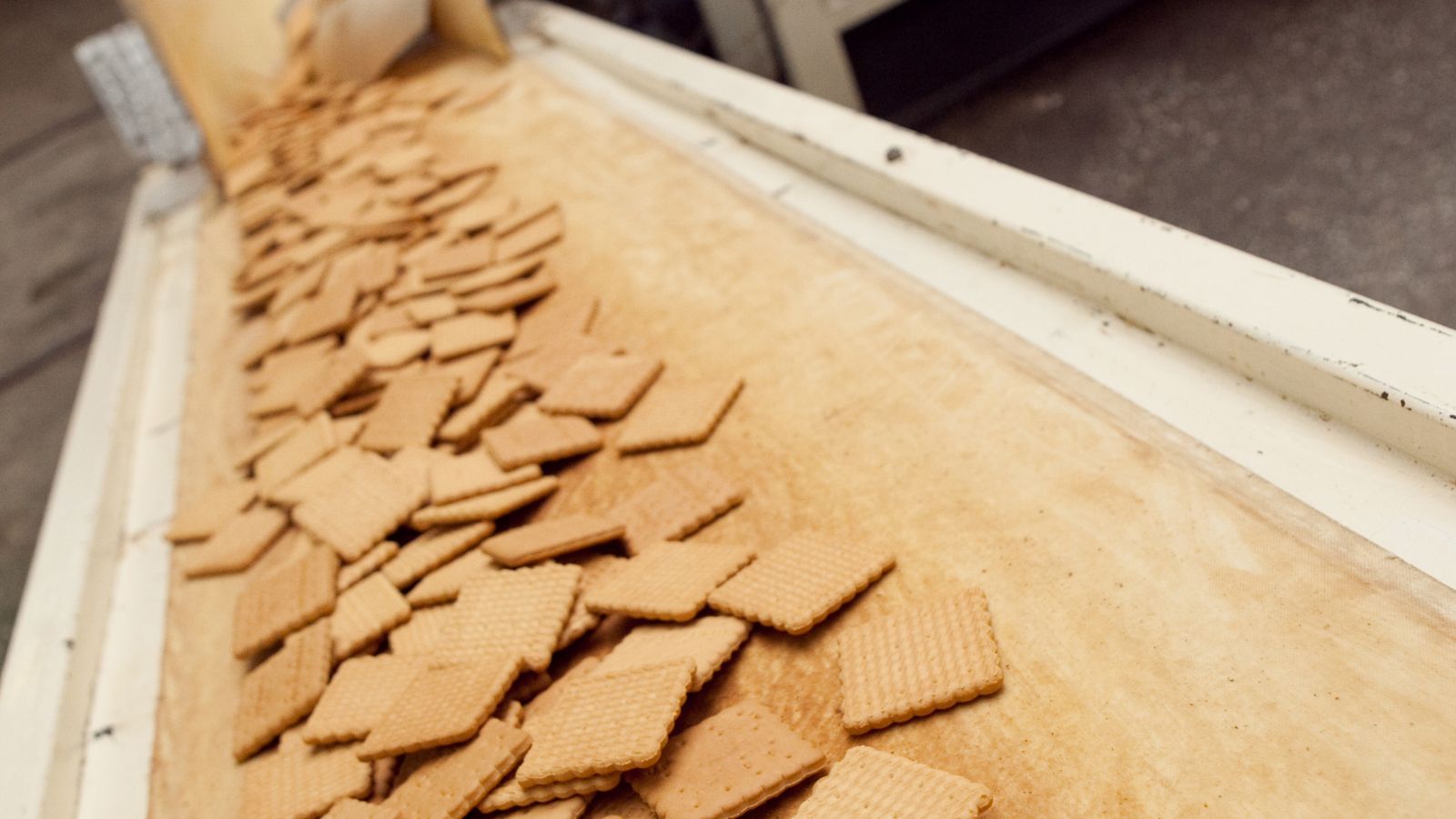
McVitie's maker pladis has SBTi-validated targets: what it means for UK food suppliers
pladis's validated 2034 targets, including a 35% Scope 3 cut, and the emissions data its kind of target leads customers to ask suppliers for.

Big companies pay to turn CO2 into rock: what carbon removals mean for a small firm
Frontier's $11.7 million deal for permanent removals, why big buyers pay more than for avoidance offsets, and what a small UK business should do first.

California SB 253: first reports due 10 November 2026
CARB's final first-year rules, who is covered, when Scope 3 starts, and what it means for UK suppliers and subsidiaries of US groups.

Over 800 companies commit to TNFD nature reporting as COP17 opens
Over 830 TNFD adopters, the ISSB's nature consultation at COP17 and what large customers will start asking small UK suppliers.

Your 2027 carbon calendar: every UK deadline in one place
CBAM, UK SRS, Simpler Recycling, the new NHS rules, ESOS and your own SECR and Carbon Reduction Plan dates, on one page.

Is PAS 2060 withdrawn? What ISO 14068 means for carbon neutral claims
PAS 2060 has gone and ISO 14068:2026 replaced it. The dates, what changed, and whether a small business should claim carbon neutral at all.
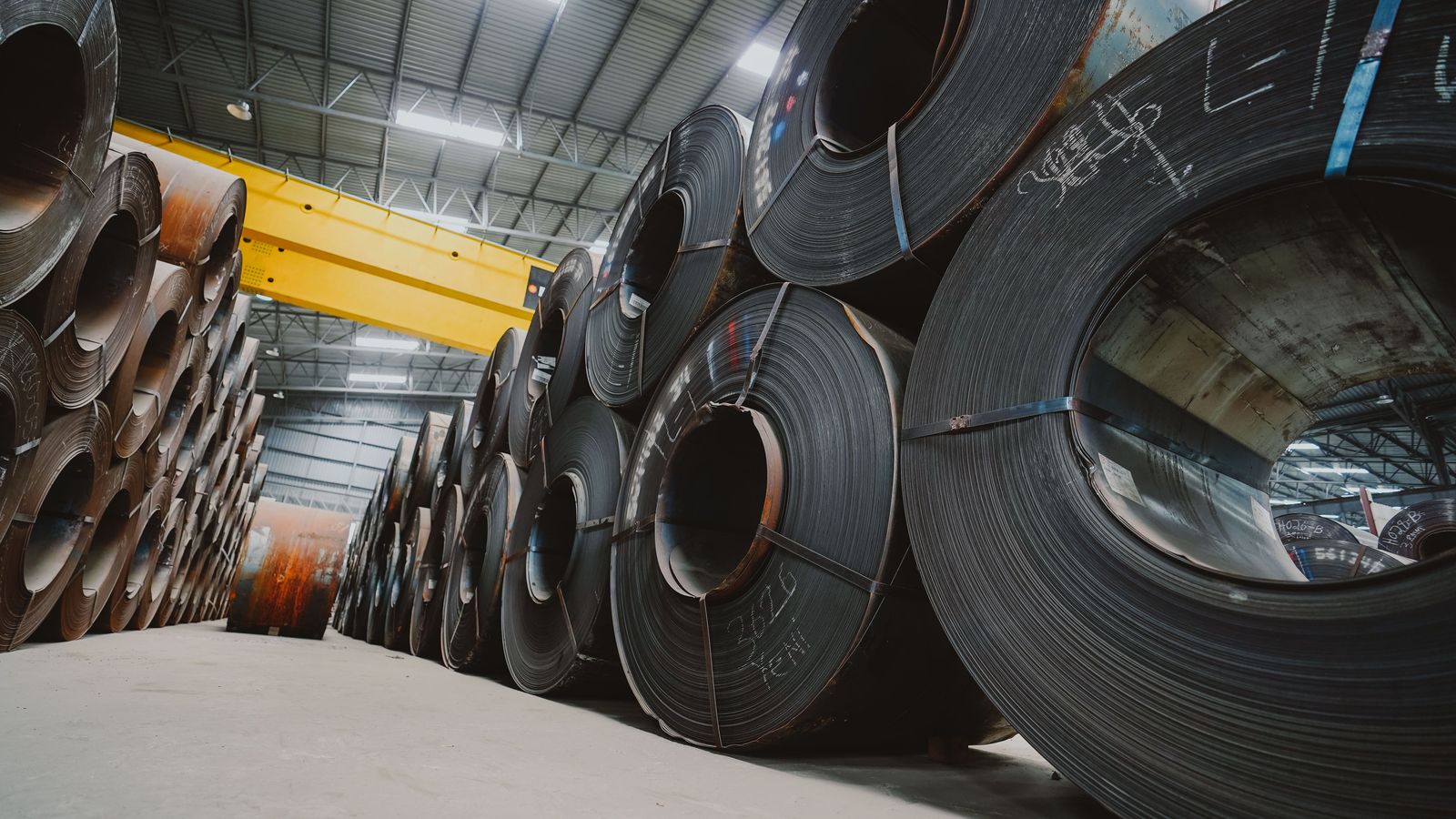
UK CBAM starts 1 January 2027: what your customers will ask you
Which goods are covered, who registers at £50,000, the key dates, and what suppliers of steel, aluminium and cement will be asked.

Corporate reporting reform 2026: what it means for SECR
The directors' report is going, a DESNZ review of SECR and ESOS is coming, and today's thresholds still apply.
Why your carbon footprint dropped this year (and why it's not your doing)
The 2026 electricity factor fell sharply. A worked example that separates the factor change from your own savings.

What changes for NHS suppliers in April 2027
Global boundaries and all relevant Scope 3 for larger contracts and new frameworks, and what to start gathering now.

Evergreen Level 1: what NHS suppliers need before tender close
The three things Level 1 needs, in plain English, and a checklist to finish before an NHS Supply Chain tender closes.

PPN 006 vs PPN 06/21: what actually changed
The new note side by side with the old one, and the few things to update in a plan written under PPN 06/21.