What happened
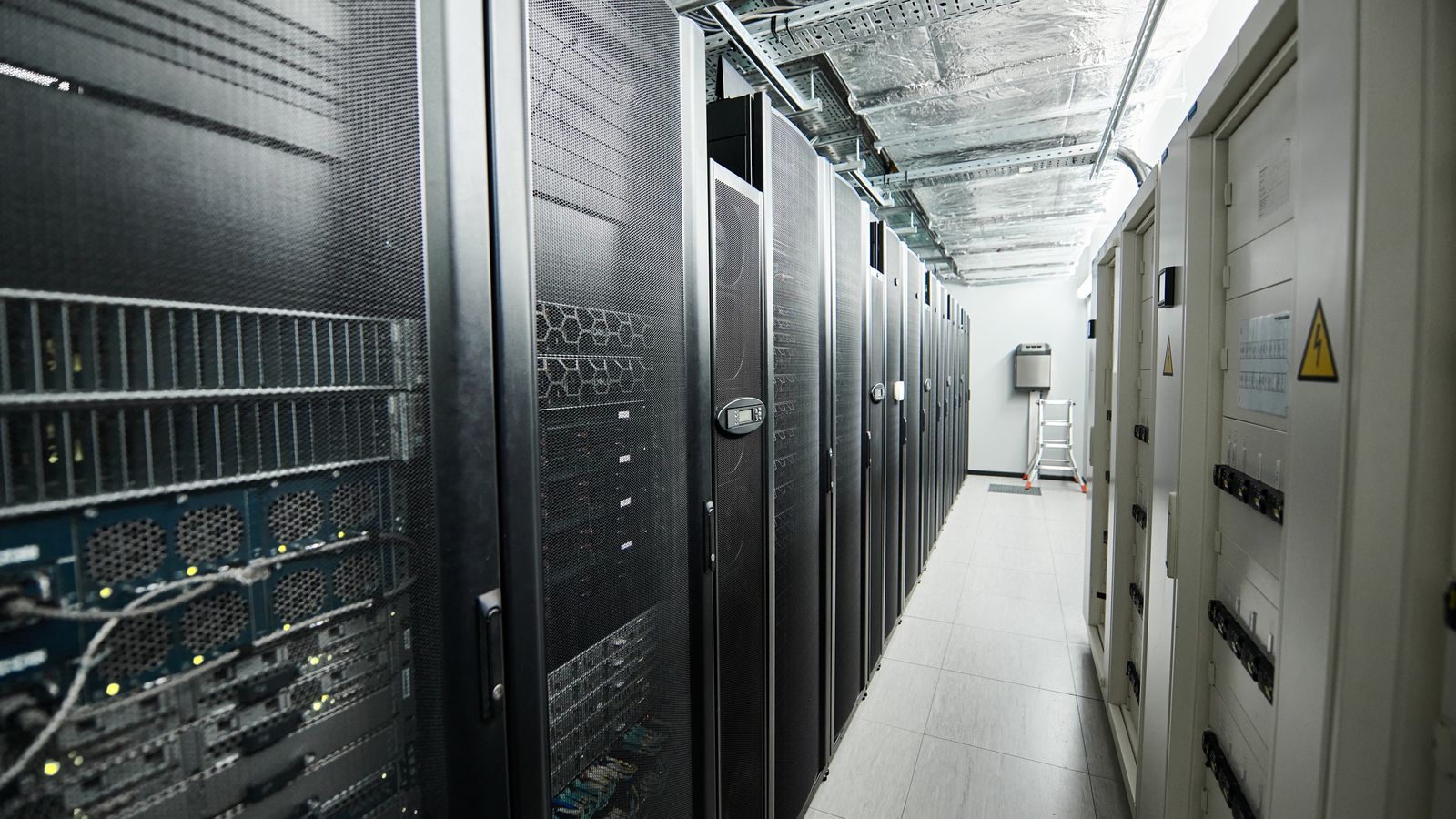
Drax, which runs Britain's biggest power station near Selby in North Yorkshire, told the stock market on 3 November 2026 that it hassigned an agreement with Brookfield and Radiant, Brookfield's UK-based AI infrastructure company, to develop, build and run an AI data centre on the power station estate. The money and operating know-how come through a joint venture between Brookfield and Qai, a Qatar-based technology company. As Stuart Stone reported for BusinessGreen, Brookfield estimates total investment could exceed £20 billion, including the chips, with £2.5 billion for the first phase.
The plan comes in three phases, according to Drax's announcement:
- Phase 1, 2026 to 2028: up to 100 MW of compute capacity, taking power from the grid through the site's existing connection, aiming to be running from early 2028. A planning application is being prepared and a public consultation is due to start this month.
- Phase 2, 2028 to 2031: an ambition for a further 500 MW, powered directly by the power station "behind the meter" under a long-term power purchase agreement, subject to consents.
- Phase 3, after 2031: an ambition for more capacity on the same basis, taking the site past 1 GW in total.
The site has about 4 GW of grid access and 2.6 GW of generating capacity, which now burns wood pellets. In November 2025 Drax signed a Contract for Difference with the government for about 6 TWh a year of biomass generation from April 2027 to March 2031, and that contract includes a way for Drax to ask to use up to 500 MW to power a data centre, if the government and the Low Carbon Contracts Company agree. Phase 1 still needs planning and network approvals, a tenant and final investment decisions from each partner.
What it means in electricity and carbon
Drax has not said how much electricity the data centre would use each year, so here is the top end, worked out with the same engine and the 2026 UK government electricity factor the app uses (0.13096 kg CO2e per kWh):
- Phase 1 from the grid: 100 MW for 8,760 hours is about 0.88 TWh a year, about 114,721 tonnes CO2e on a location-based basis. Cooling and other site load would add to that.
- Phase 2: 500 MW for a year is about 4.38 TWh, roughly 73% of the 6 TWh a year in Drax's Contract for Difference. If that came from the grid it would be about 0.57 million tonnes CO2e.
- The full 1 GW target: about 8.76 TWh a year, or about 1.15 million tonnes CO2e at today's grid factor.
Why Phase 2 is counted differently. Under the GHG Protocol and the government conversion factors, the carbon dioxide released when wood is burned is reported separately as "outside of scopes" rather than in Scope 1 or 2, because the carbon was taken from the air as the trees grew. So a data centre running on Drax's own biomass power could report a much lower Scope 2 figure than the grid numbers above. The CO2 still goes up the chimney, and whether wood pellets should count as low carbon depends on how the forests are managed, which is widely debated. Good practice is to report the biogenic CO2 alongside the scoped figures, not to leave it out.
These are our estimates of the upper end, not figures from Drax, Brookfield or Radiant.
What it means for your business
Cloud emissions are getting harder to compare. A data centre on the grid, one on its own gas turbines and one on biomass power can report very different Scope 2 figures for the same computing. When a cloud or hosting provider gives you a carbon figure, ask what powers the site and whether biogenic CO2 is shown.
Old power stations are becoming data centre sites. Sites with big grid connections and cooling water are where AI capacity is heading, which matters to any business waiting for its own connection. The government's Data Centre Covenant promises faster power and planning for strategically important sites, and Drax says its first assessment is that this project fits.
No change to this year's factor. Your own electricity is still reported with the national average DESNZ publishes each year. One site does not change it.
What to do now
- Ask your hosting and cloud providers for your share. Ask for the kWh and CO2e behind your account, the sites you use, what powers them and whether figures are location-based or market-based. Our post on asking suppliers for carbon data has the wording.
- Keep a spend-based figure until you have a better one. Our guide to IT, cloud and laptop emissions shows where each item sits in your footprint.
- Live near Drax? The partners say a public consultation on Phase 1 starts in November 2026, before the planning application.
- Read the related stories: what a 3.2 GW site on Teesside would mean, and why data centres running on gas emit more than the grid.