What happened
The Environment Agency said on 19 November 2026 that Essar Oil (UK) Limited, one of the UK's largest oil refinery operators, had been ordered to pay £873,473 at Warrington Magistrates' Court after pleading guilty to 12 charges in March 2026. It was fined £80,000 for each of 10 offences and ordered to pay £73,473 in costs.
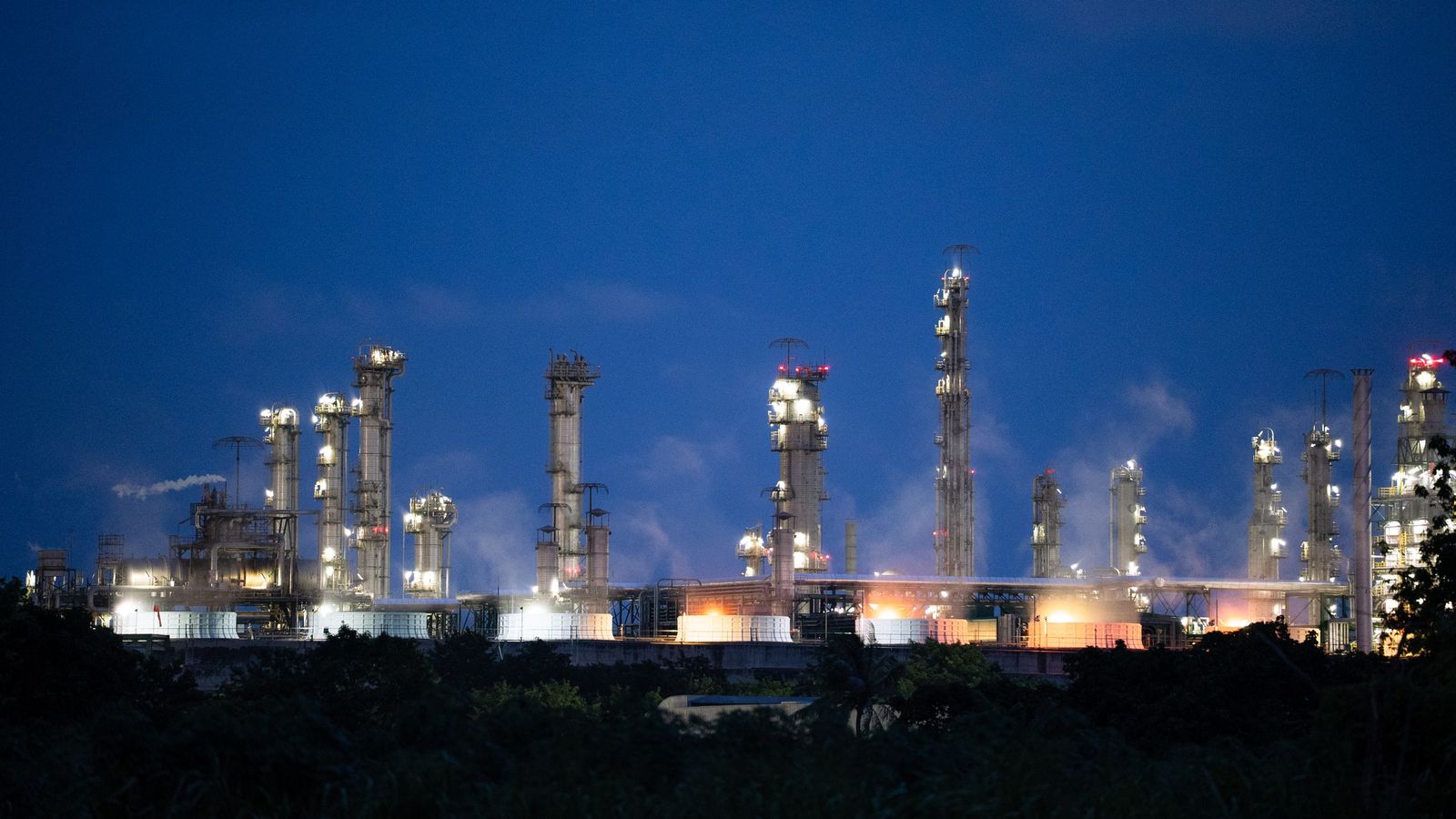
The agency found that the Stanlow Manufacturing Complex at Ellesmere Port, Cheshire, exceeded the limits in its environmental permit at least 489 times between 2018 and 2020. Ten charges covered trade effluent containing suspended solids, oil and chemicals including cyanide, pumped into Thornton Brook, the River Gowy and the Manchester Ship Canal. In February 2019 between 15 and 20 tonnes of a chemical leaked into the drains and on into the ship canal after a vent was left open and a written procedure was not followed. In March 2019 a contractor's vehicle reversed into an effluent pipe, and around 15 tonnes of partially treated sewage reached Thornton Brook, which leads to the protected Mersey Estuary.
As Haider Saleem reported for BBC News, the company trades as EET Fuels. A spokesperson told the BBC it regretted the "historic incidents" and had invested more than £24m to improve its environmental performance, including rerouting wastewater to United Utilities' Ellesmere Port treatment works. EET companies are also behind projects negotiating to join the HyNet carbon capture cluster: in DESNZ's review published on 20 November, its Hydrogen Production Plant 1 stays on the Priority list and its refinery carbon capture project stays on Standby.
What it means for your business
Permit limits are enforced, even years later. These breaches date from 2018 to 2020 and were sentenced in 2026. Any business with an environmental permit or a trade effluent consent, from food processing to metal finishing, can be prosecuted for exceeding its limits, and the court looks at whether written procedures were followed. If you are not sure whether your activity needs a permit, the government's permit checker sets out the rules.
Wastewater has a carbon cost too. When wastewater goes to a public sewer, the water company's treatment is a Scope 3 line in your carbon report. An illustrative manufacturer sending 5,000 cubic metres a year for treatment reports 0.85 tonnes CO2e at the 2026 government factor of 0.17088 kg CO2e per cubic metre. That is small next to most energy use, but it belongs in a complete report, and the volume figure comes from the same records you keep for your consent.
What to do now
- Check your permit and consent limits. Make sure someone owns the monitoring results and that written procedures match what happens on site.
- Record what leaves site. Keep wastewater volumes by month: they serve both your consent and your carbon report.
- Report incidents. If something escapes, report it to the Environment Agency straight away on its incident hotline.