What happened
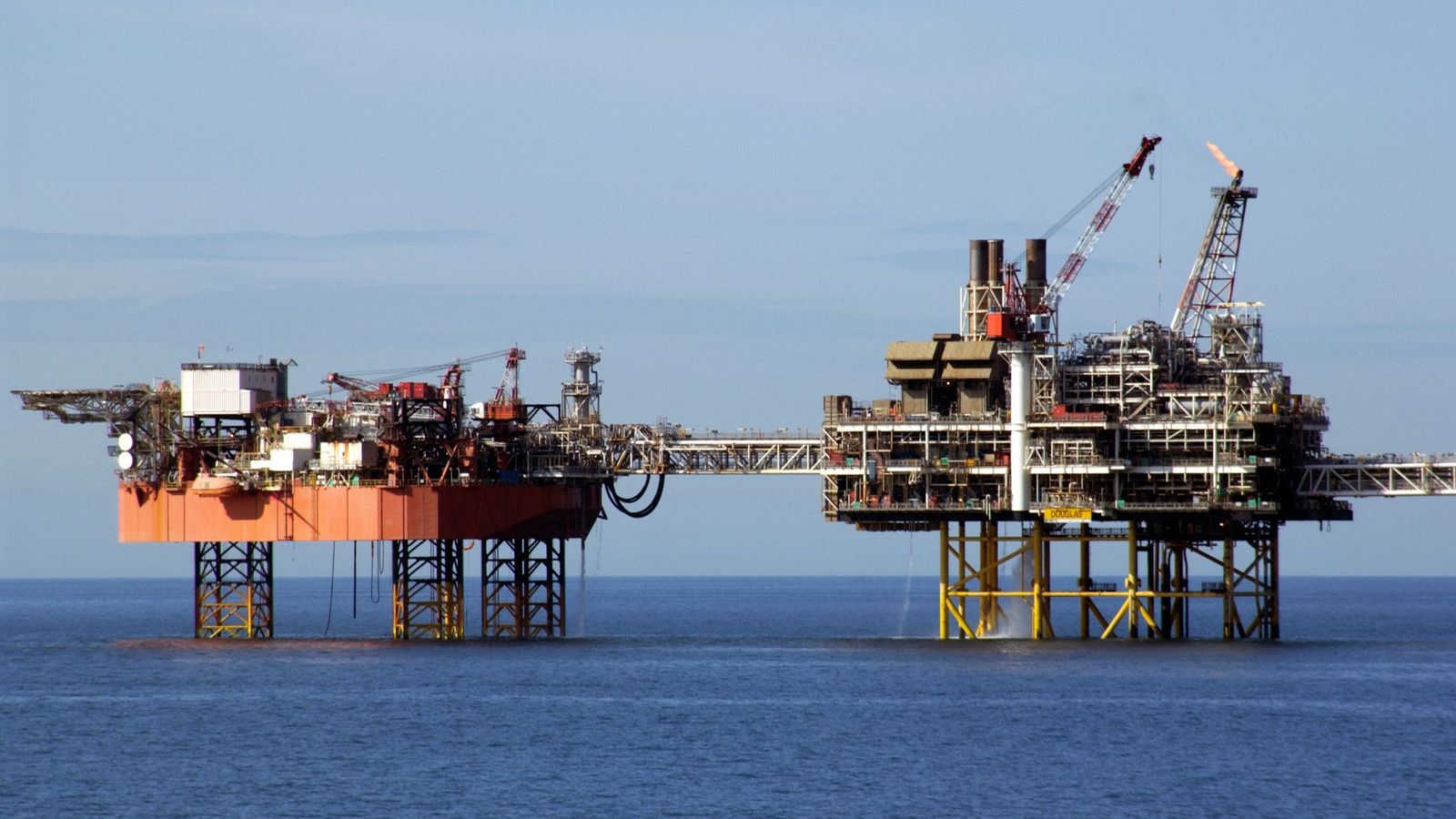
As Ben Quinn reported for the Guardian on 15 November 2026, 75 Labour MPs have signed a private letter to the Prime Minister, Andy Burnham, opposing the Rosebank oil field north-west of Shetland, and some signatories expect it to reach around 100 before it is delivered in the next fortnight. The letter was first reported by the Sunday Times. According to both papers, it argues that drilling would damage the UK's credibility on climate change and would not bring energy bills down. The Guardian reports that the Energy Secretary, Miatta Fahnbulleh, is said to be minded to reject the field but could be overruled, with the cabinet split. The letter itself has not been published.
The same day, Adura, the Equinor and Shell joint venture that runs both fields, said gas had begun to flow from its Jackdaw platform, according to the Guardian. Jackdaw was approved on 21 October 2026, after a fresh assessment of the emissions from burning its gas, which we covered at the time.
Rosebank has not been decided. Its gov.uk page still says "Under Review". The government describes the process as quasi-judicial: the Energy Secretary decides on the evidence, including the environmental assessments and public responses, not by a vote of MPs.
What it means for your business
The numbers behind the row. Since the Supreme Court's Finch ruling in 2024, a new field's consent has to weigh the emissions from burning what it produces. Adura's own assessment for Rosebank, published by DESNZ, puts them at 209 million tonnes CO2e from burning the oil and gas (Scope 3 category 11, "use of sold products") and 40 million from refining and transporting it, 249 million downstream in all, on its high production case to 2051. With production itself, the total is about 254 million tonnes. By our sums that is about 6.9 times Jackdaw's 36.6 million. The assessment says the most likely production case is about 30% lower, which on our arithmetic would put the downstream figure near 174 million tonnes. Around 84% of the downstream total is the burning of the fuel itself.
That tonne is also in your footprint. The burning that makes up most of Rosebank's figure is other people's Scope 1: the diesel in a van, the heating oil in a boiler. A firm whose vans burn 10,000 litres of diesel a year reports 25,835 kg CO2e of Scope 1 on the 2026 government factor of 2.58354 kg per litre. Under the GHG Protocol the same emissions are counted by the producer as Scope 3 and by you as Scope 1, which is why scopes are never added up across companies.
Your factors and prices don't move on this. The 2026 diesel, petrol and gas factors are fixed for the year and are the same whichever field the fuel came from. The government's own Jackdaw decision concluded that one field would not materially affect bills because the UK is a price-taker in global oil and gas markets. Nothing in the Rosebank debate changes what you report for 2026.
What to do now
- Keep reporting fuel the same way. Litres or kWh from your receipts and bills, times the factor for the year.
- Expect more questions about fossil fuel exposure. If you sell to large customers or the public sector, the Rosebank and Jackdaw decisions are a reminder that buyers increasingly ask how much oil and gas sits in your footprint. A clear split of Scope 1 by fuel answers that.
- Watch for the decision. The Rosebank decision, and whether it is challenged in court, is the next step. We will cover it when it comes.