What happened
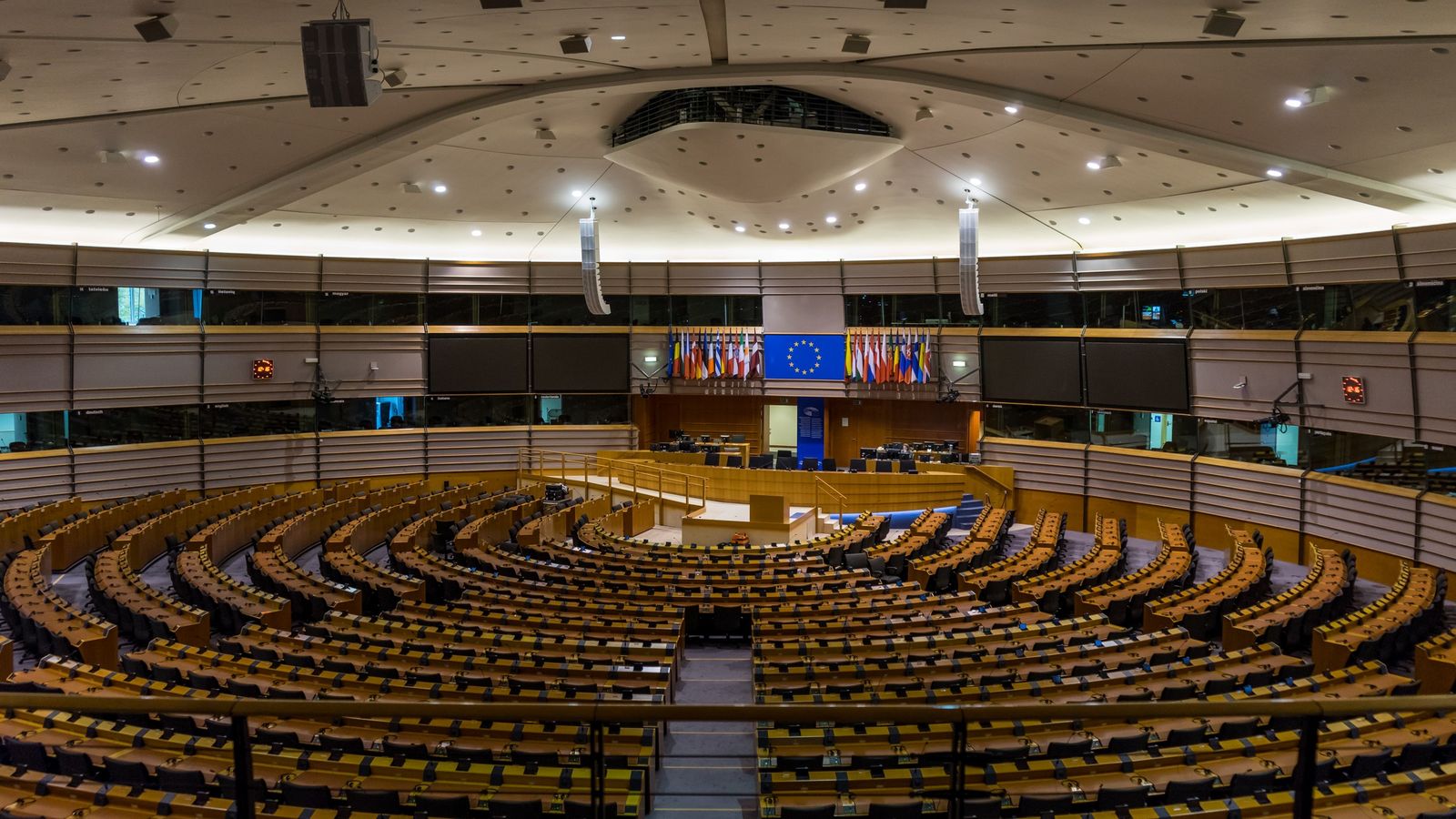
On the morning of 19 November 2026, negotiators for the European Parliament and the Council of the EU, which represents member state governments, reached a provisional agreement to postpone parts of the EU Methane Regulation, as Mark Segal reported for ESG Today. The Parliament's release says importers of oil, gas and coal get two more years, because they have warned they may not be able to secure enough compliant supplies while energy markets are strained and prices high over the conflict in the Middle East.
The European Commission had proposed a one-year delay in October. Parliament had backed three years and member states one; the deal lands on two. Under it:
- importers have until May 2030 to show that supply contracts signed or renewed since 4 August 2024 cover only fuel subject to monitoring, reporting and verification equivalent to EU rules, and to report on bringing older contracts into line;
- EU producers and importers must report the methane intensity of the fossil fuels they sell in the EU by 5 August 2030;
- EU oil and gas operators have until 5 February 2029 for operated assets, and 5 August 2030 for non-operated assets, to submit verified reports combining source-level and site-level methane measurements;
- the Commission must report on how the regulation is working by 1 January 2028 and every five years after, with a new proposal where needed.
The Commission says the postponement is temporary and "preserves the overall ambition, integrity and scope" of the regulation. Lead MEP Dimitris Tsiodras said "we are not suspending the Methane Regulation". The agreement still needs formal adoption: Parliament's environment and industry committees vote on 23 November, followed by a plenary vote that week.
This follows our post of 28 October on the US and EU methane rule changes, when Parliament had just voted for three years.
What it means for your business
Why methane matters. Methane is the second biggest cause of warming after carbon dioxide. On the AR5 values the UK government factors use, a kilogram of methane counts as 28 kg CO2e over 100 years. Leaks, venting and flaring at oil and gas sites are among its largest industrial sources, and the Parliament calls the EU law the world's first comprehensive legislation to cover methane linked to imports of oil, gas and coal. A two-year wait means less pressure on overseas producers to measure and cut those leaks before 2030.
The UK is not bound by the EU law, but it shares a gas market with the EU through pipelines to Norway and the continent, so the methane behind imported gas is part of the same picture for Britain.
Your reported figures do not change. Gas burned in your boiler is Scope 1 at 0.18231 kg CO2e per kWh on the 2026 government factors. Methane lost upstream belongs in well-to-tank emissions, at 0.03021 kg CO2e per kWh. An illustrative business using 60,000 kWh of gas a year reports 10.94 tonnes in Scope 1 and another 1.81 tonnes well-to-tank, about 17% on top.
What to do now
- Keep reporting as you are. Use the 2026 factors; nothing in the deal changes them.
- Add well-to-tank if you report Scope 3. It is where gas supply chain methane shows up, and customers asking for fuller Scope 3 figures will expect it.
- Cut the gas you burn. Every kWh you don't use avoids both the boiler emissions and the upstream methane behind it.
- If you sell gas or oil into the EU, plan for the new dates: May 2030 for proof of equivalent monitoring, and 5 August 2030 for methane intensity reports.