What happened
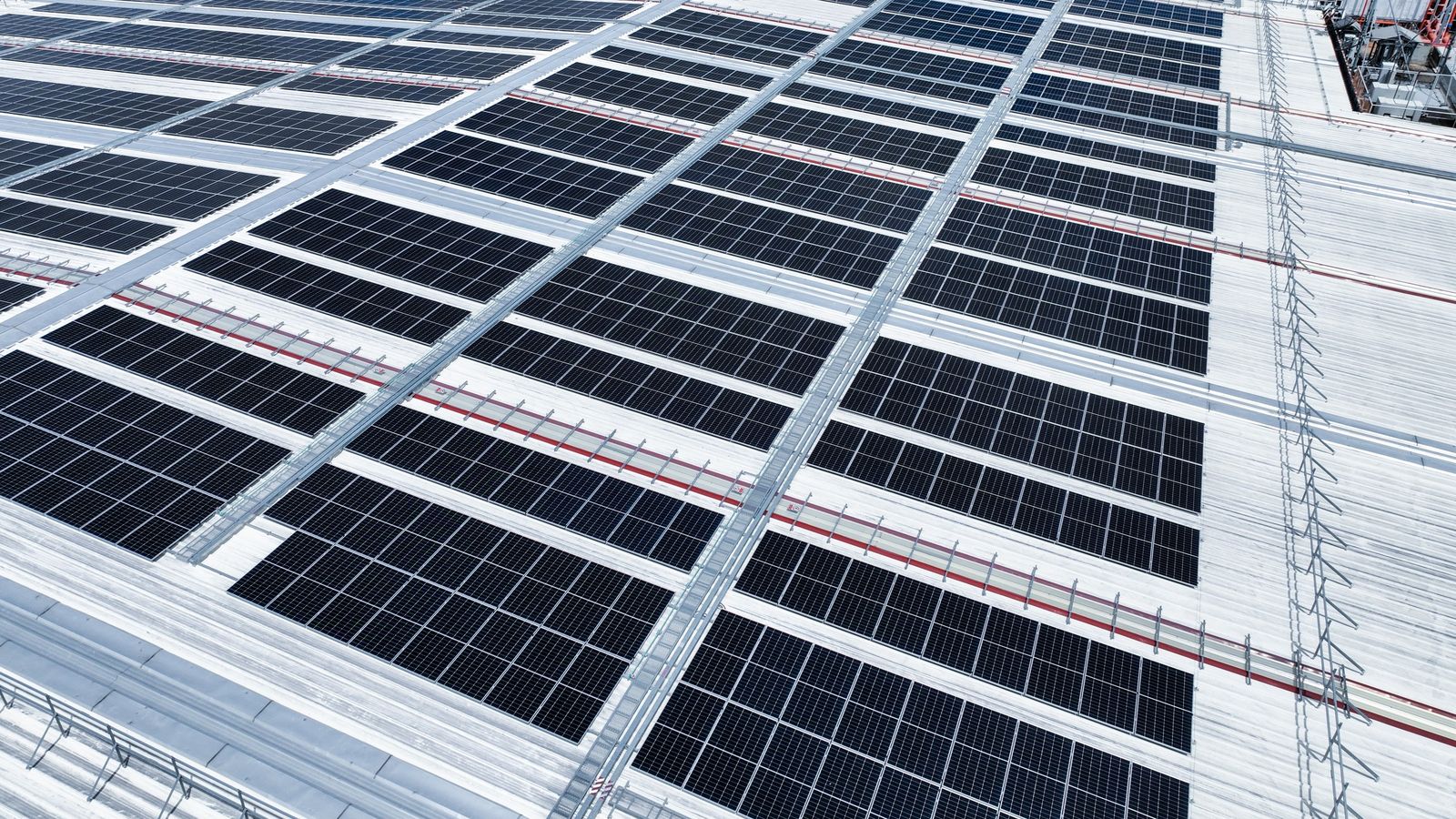
When the government named Lanarkshire an AI Growth Zone on 29 January 2026, it said DataVita, working with the AI cloud company CoreWeave, was planning "the generation of more than 500MW of on-site power" and that "the energy powering this new Growth Zone will be drawn from on-site renewables". The release put the private investment at £8.2 billion and the jobs at more than 3,400.
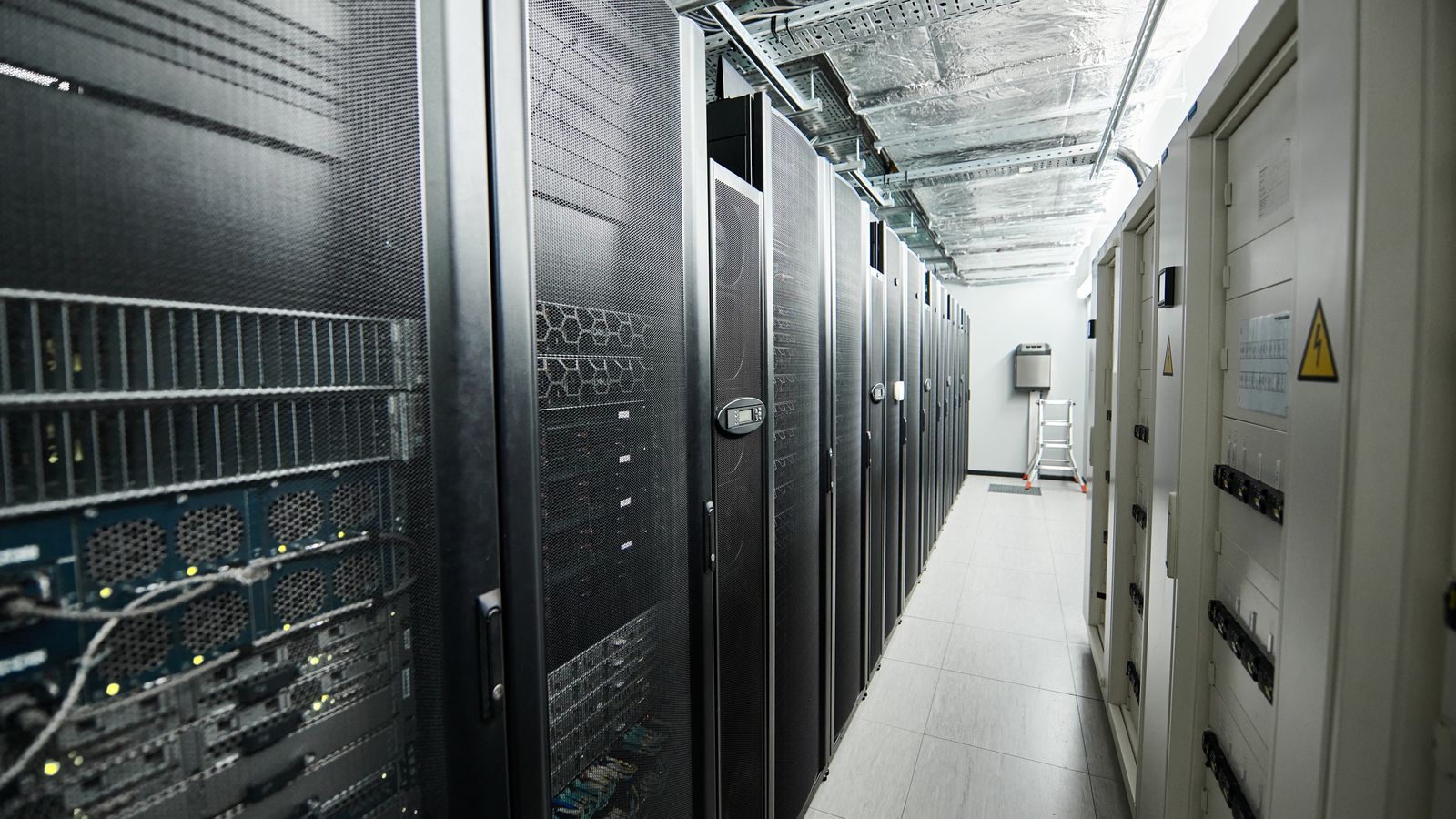
As Aisha Down reported for The Guardian on 7 November 2026, DataVita has now revised the plan for its Chapelhall site, near Airdrie. The company says the data centres will be "fully grid served", that its grid supply "will be through a renewable power purchase agreement", and that solar and wind farms "could connect in the future". A DataVita spokesperson told the paper its "commitment to renewable energy is unchanged". The Guardian says the company earlier promised more than 1 GW of wind, solar and battery capacity delivered "through private wire connections directly linked to the datacentres", and that it has a £202 million guarantee from the National Wealth Fund.
What 500 MW on the grid means in electricity and carbon
Nobody has published how much electricity the site will use, so here is the upper end for the 500 MW in the government's release, worked out with the same engine and the 2026 UK government electricity factor the app uses (0.13096 kg CO2e per kWh):
- Flat out all year: 500 MW for 8,760 hours is about 4.38 TWh, or about 574 thousand tonnes CO2e a year.
- At an illustrative 70% average load: about 3.07 TWh, or about 402 thousand tonnes CO2e.
- For scale: an office using 50,000 kWh a year reports about 6,548 kg CO2e, so the 70% figure is roughly what 61,000 such offices would report.
That is the location-based figure: under the GHG Protocol's Scope 2 rules, anything drawing from the grid reports the grid's average factor, whatever its contract says. A renewable power purchase agreement changes the market-based figure, which can be close to zero if the contract and its certificates qualify. The difference with on-site renewables over a private wire is that power would not come from the grid at all. Two cautions: the factor is a UK average that falls as the grid gets cleaner, and these are our estimates, not DataVita's.
What it means for your business
"Powered by renewables" can mean three different things. Generated on site, bought through a contract with a named wind or solar farm, or matched with certificates. Each can give a near-zero market-based figure, but only the first takes the load off the grid. When a supplier makes the claim, ask which one it is.
Your cloud use is someone's data centre. Hosting, software and storage sit in your Scope 3, category 1. Providers that give you a figure for your account should say whether it is location-based or market-based, so you can report it the right way.
The grid is the bottleneck for everyone. A data centre that cannot build its own power joins the queue for a grid connection, the same queue as a business waiting for a bigger supply for heat pumps or chargers.
What to do now
- Report your own electricity both ways. If you buy a green tariff, show the location-based figure alongside the market-based one. Our UK electricity factor page has the location-based factor for each year.
- Ask your hosting and cloud providers for your share. Ask for the kWh and CO2e behind your account, both Scope 2 methods and the power contract behind any renewable claim. Our post on asking suppliers for carbon data has the wording.
- Check your own green claims. If you say your business runs on renewable power, be ready to say how. Our IT, cloud and laptop emissions guide shows where each item sits in your footprint.
- Read the wider picture. Our posts on the Teesside substation and the Data Centre Covenant cover the planning and grid rules for big sites.