What happened
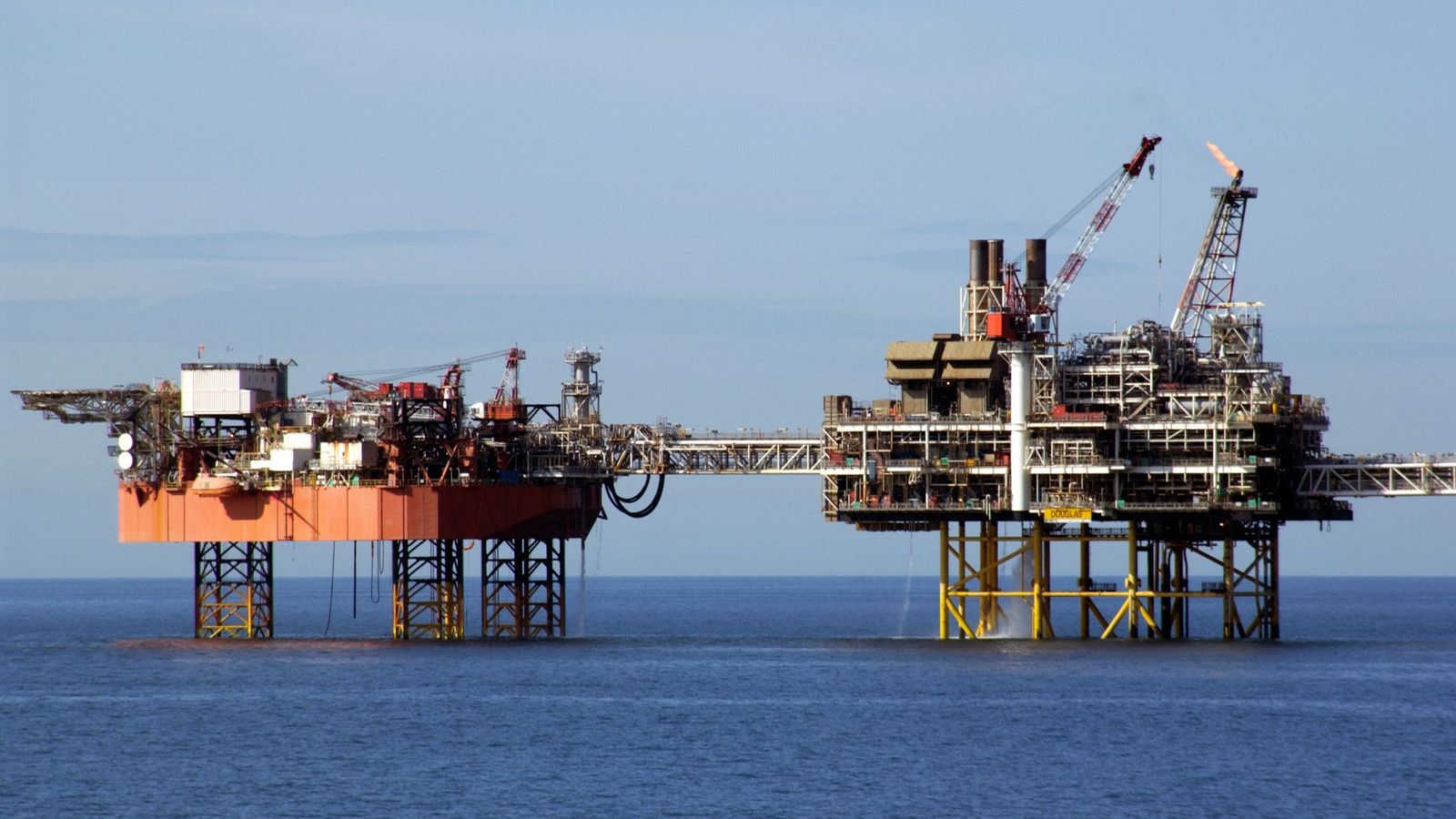
Carbon Balance Initiative, a UK charity, published a policy brief on 23 November 2026 asking whether North Sea producers, rather than energy bill payers and taxpayers, could pay for the UK's carbon capture and storage (CCS). As Stuart Stone reported for BusinessGreen, it claims funds raised through a "polluter pays" obligation could overtake the government's £21.7bn CCS pledge by the early 2040s.
The government has committed up to £21.7bn over 25 years to its first two CCS clusters, HyNet in Merseyside and North Wales and the East Coast Cluster on Teesside, initially expected to store about 8.5 million tonnes of CO2 a year. The brief says around three quarters of that support is expected to be recovered through energy bills, and that the October 2026 Budget moved £200m of carbon capture grants to defence. It models a Carbon Takeback Obligation (CTBO) on every UK oil and gas licence holder instead, at an assumed £200 for each tonne stored:
- 2030: 4% of the CO2 from UK production stored, 4.3 million tonnes a year, costing producers £0.9bn, or £3.35 per barrel of oil equivalent.
- 2035: 16% of the CO2 from UK production stored, about 10 million tonnes a year, costing producers £2.0bn, or £13.40 per barrel of oil equivalent.
- 2040: 36% of the CO2 from UK production stored, about 13 million tonnes a year, costing producers £2.7bn, or £30.16 per barrel of oil equivalent.
The share would keep rising to 100% by 2050. For comparison, the brief says the Energy Profits Levy raised £2.6bn in 2025-26 and ends in March 2030. It points to the EU, which since 2024 has required its largest oil and gas producers to deliver 50 million tonnes a year of CO2 injection capacity by 2030, a rule twelve companies are challenging in the EU General Court. It suggests the Energy Independence Bill, introduced on 4 November 2026, as a way to give ministers the power. None of this is government policy.
What it means for your business
Per litre, in our own sum. The government's 2026 factors put a litre of pump diesel at 2.58354 kg CO2e and a litre of petrol at 2.075 kg. At the brief's £200 a tonne, storing 4% of that CO2 costs about 2.1p a litre for diesel and 1.7p for petrol; at 16% about 8.3p and 6.6p; at 36% about 18.6p and 14.9p. That is the size of the obligation per litre, not a forecast: the brief expects no effect on UK prices while it covers only UK production, and fuel at a UK pump is not all from UK fields.
Your footprint does not change. An illustrative fleet buying 20,000 litres of diesel a year reports 51.67 tonnes CO2e in Scope 1, with or without a takeback obligation. Storage paid for by a producer is the producer's, not something a fuel buyer can deduct.
Who would notice. North Sea producers first, and the firms that build and run storage, who would gain a buyer for every certified tonne. Energy intensive businesses in the HyNet and Teesside clusters would see more certainty that storage gets built beyond Track-1. Bill payers might gain if, as the brief argues, an obligation replaced support recovered through levies, but it gives no figure for that.
What to do now
- Nothing changes today. This is a proposal from a charity. Watch the Energy Independence Bill for any amendment that adds a storage power.
- Keep reporting litres. Your fuel emissions are litres times the year's government factor, whatever happens upstream.
- If you plan to use CCS, follow the cluster sequencing on gov.uk: an obligation would mainly affect how much storage there is and who pays for it.