What happened
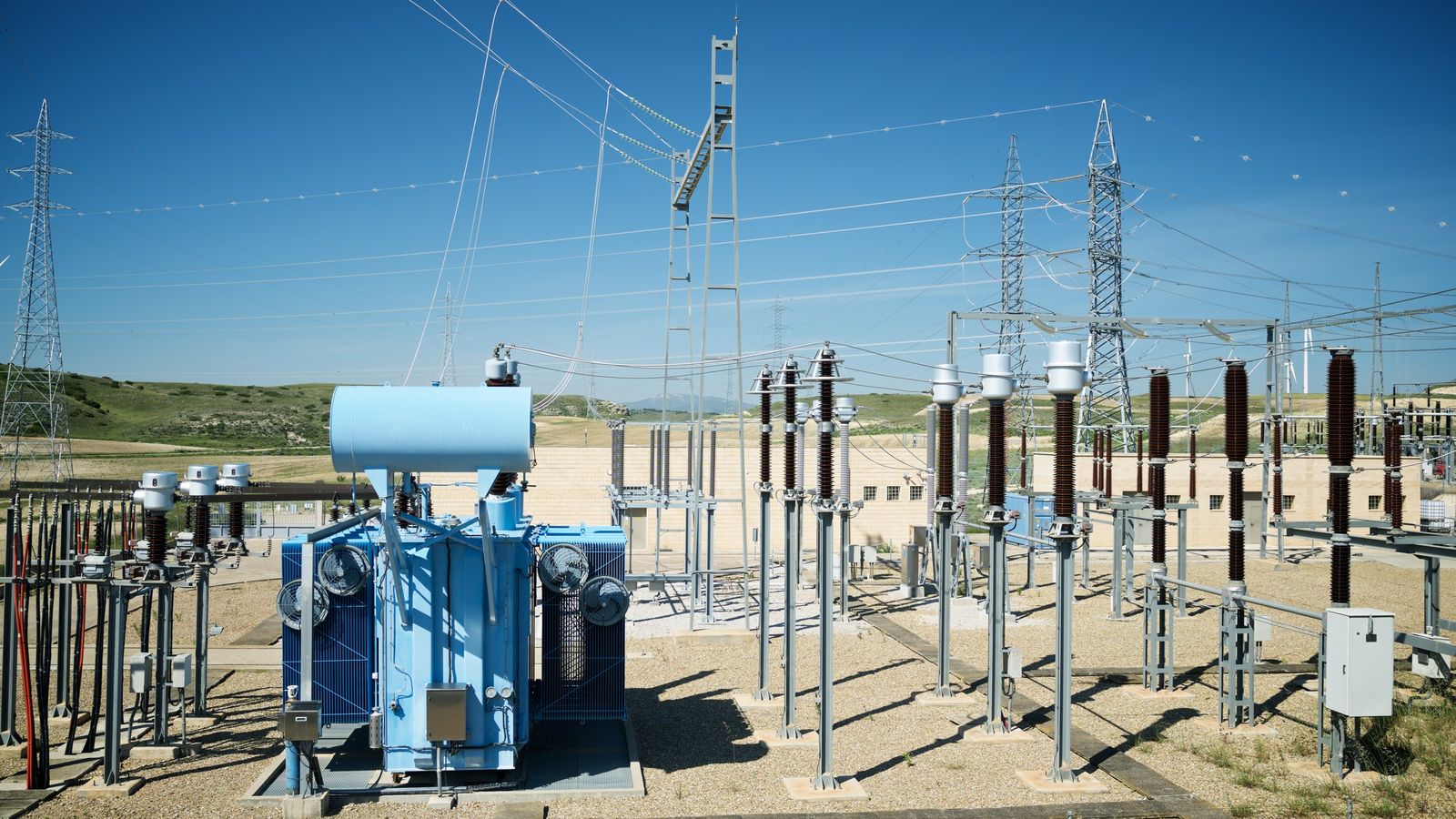
The energy regulator Ofgem said on 19 November 2026 that connections reform has removed a lot of speculative capacity from the queue, but that "the majority of projects in the reformed queue are seeing delays rather than advancements compared to their pre-reform position". It is launching an urgent inquiry into why offers for many protected and Phase 1 projects came back later, and how the picture differs between network companies. As Sumit Bose reported for Energy Live News, that is the outcome the reforms were meant to avoid.
Ofgem is asking NESO and the networks to act in four areas now:
- Better data: an open picture of connection dates, updated as offers are issued, and why dates changed.
- The analysis behind each offer: NESO to publish more on its construction planning assumptions, and rule changes to make the queue clearer.
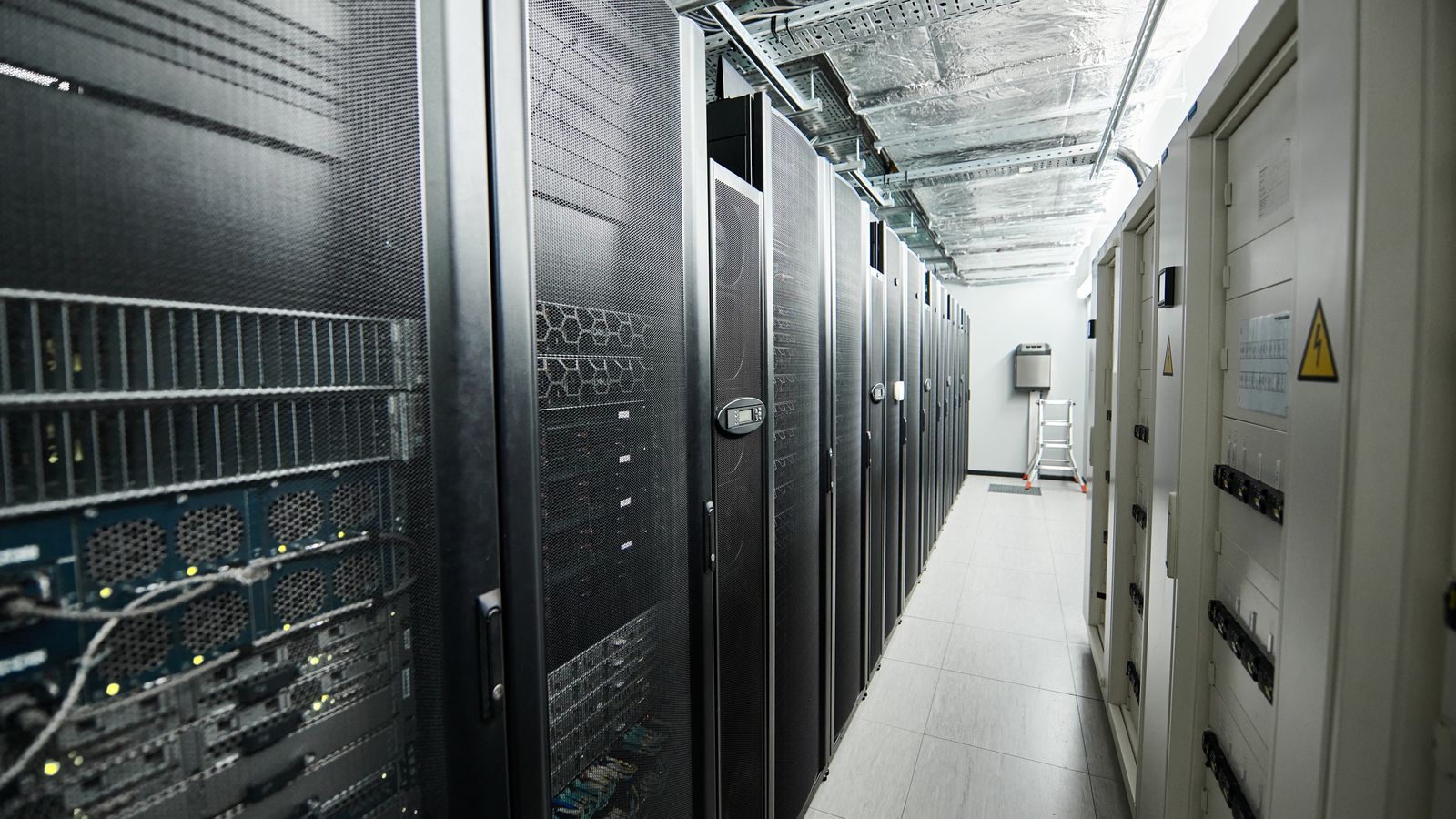
- A ready and needed queue: financial commitments for over-subscribed technologies, notably batteries, and for speculative or non-viable data centre projects.
- Milestones managed: projects that don't progress shouldn't stay in the queue.
It is also exploring stronger automatic compensation where networks cause delays, will consult in December on a RIIO-3 connections incentive that rewards or penalises network companies, and will publish connection outcome data in February. Earlier this year it refused NESO relief over late dates for protected projects.
What it means for your business
Most businesses won't see this directly. The inquiry is about large projects in the national queue: wind and solar farms, batteries, data centres and big industrial loads. A shop or office needing a modest supply upgrade from its local network operator is unlikely to be in this queue.
For sites that are electrifying, a late date has a carbon cost. A factory that needs a bigger connection before it can replace gas boilers with heat pumps keeps burning gas until it is connected. Our sums for an illustrative site (assumptions: boilers 90% efficient, heat pumps delivering three units of heat per unit of electricity):
| Heating for one year | Energy used | Factor (DESNZ 2026) | tonnes CO2e |
|---|---|---|---|
| Gas boilers, while waiting | 2,000,000 kWh gas | 0.18231 kg per kWh | 364.62 |
| Heat pumps, once connected | 600,000 kWh electricity | 0.13096 kg per kWh | 78.58 |
Each year of delay keeps about 286.04 tonnes (78%) of that site's heating emissions on the books, before counting any change in energy costs. If a reduction plan or a customer commitment assumes the switch by a set date, the connection date is now part of the plan.
What to do now
- Got a connection offer in the queue? Check the date against the one you held before reform, and read your agreement for any terms on delays caused by the network.
- Planning to electrify heat, fleet or processes? Ask your network operator early what capacity is available, and build a realistic connection date into your carbon reduction plan.
- Watch for February. Ofgem's Infrastructure Progress Report should show connection outcomes by network company.