What happened
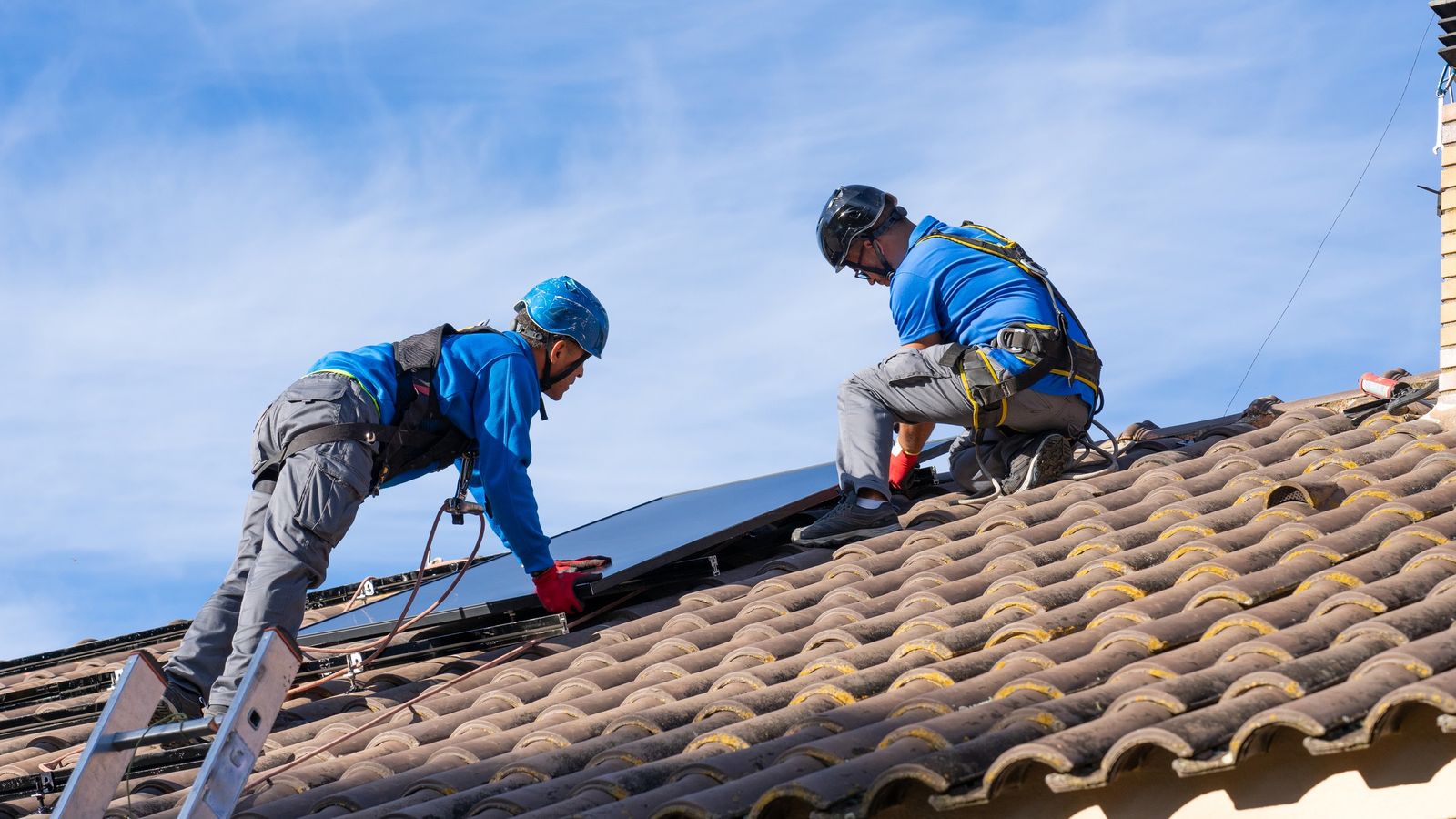
MCS, the quality mark and consumer protection body for small-scale renewables, said on 20 November 2026 that 2026 is already the best year on record for certified solar panel installations. More than 269,000 have been installed in UK homes and small businesses this year, beating the previous record set in 2025 with 6 weeks still to go. As Stuart Stone reported for BusinessGreen, the record was broken "with six weeks to spare". The main points from the MCS release:
- New builds: almost one in three solar installations this year went onto new build properties. MCS expects the Future Homes Standard, under which most new homes in England will have solar panels by default from 2028, to grow that market further.
- Batteries: around 75,400 certified battery storage installations so far in 2026, close to double last year's annual record. About 82% were fitted at the same time as solar panels.
- Where: Cornwall (3,399) and Somerset (3,325) lead the local authority table, with North Yorkshire (3,094) third.
- All technologies: MCS says the annual record for total certified installations has now been broken for the 6th year in a row.
Chris Hewett, chief executive of the trade body Solar Energy UK, said he expects more than 300,000 MCS certified installations by the end of the year, and pointed to the Warm Homes Loan Scheme and the rules for new homes and buildings. Energy Secretary Miatta Fahnbulleh said families and businesses are "powering a solar revolution".
What it means for your business
Solar on your own roof cuts the electricity you report. Every kWh you generate and use on site is a kWh you don't buy from the grid, so your location-based Scope 2 falls. In the 2026 government factors grid electricity is 0.13096 kg CO2e per kWh. Output depends on the roof, the region and the weather: DESNZ measured a median load factor of 9.2% for feed-in tariff solar in 2024/25, the lowest in its series.
A worked example. An illustrative business uses 30,000 kWh of electricity a year and puts a 10 kW system on its roof.
- Before: 30,000 kWh from the grid is 3.93 tonnes CO2e.
- At a 9.2% load factor the panels make about 8,059 kWh a year, around 27% of the business's use.
- If every one of those kWh is used on site, grid electricity falls to 21,941 kWh, which is 2.87 tonnes CO2e: a cut of 1.06 tonnes a year.
Exported kWh earn export payments but don't lower your own Scope 2. That is one reason so many batteries are going in alongside solar: storing the midday output for the evening means more of it is used on site. Our guide to rooftop solar and Scope 2 covers how to report generation, use and export.
New premises will increasingly come with panels. If you move into or build new premises, solar may already be on the roof. Ask for the generation meter readings from the start, because you need them to report what the panels supplied.
What to do now
- If you have panels, read the generation meter monthly and record export from your bills or your export tariff statements, so you can work out how much you used on site.
- If you are thinking about solar, use an MCS certified installer: MCS says certification shows the installer and products meet industry standards.
- Report the grid kWh on your bills with this year's factor, and note the year the panels went in, so a fall in emissions is explained when you compare years.