What happened
The Department for Energy Security and Net Zero published the UK clean electrification roadmap at 07:00 on Thursday 12 November 2026. It follows the COP31 Presidency's call for electricity to make up 35% of the world's final energy use by 2035, and MPs' call last week for an electrification strategy (our report). It is a summary of actions that are legislated, funded or already in delivery, rather than a new package. The figures it gives include:
- Supply: a record 52.1% of UK electricity came from renewables in 2025. The latest auction secured 14.7 GW of new projects, with onshore wind at £72.24 and solar at £65.23 per MWh, against £147 per MWh to build and run new gas power stations.
- Demand: electricity use is expected to more than double by 2050.
- Buildings: the Future Homes and Buildings Standards from 2027, and minimum energy efficiency standards for larger privately rented commercial buildings rising to EPC B, which the government expects to save tenants up to £360 million a year by 2031.
- Transport: the ZEV mandate (new cars running only on petrol or diesel phased out from 2030, new non-zero emission cars and vans from 2035), the Electric Car Grant of up to £3,750, and £170 million for depot chargers through the Depot Charging Scheme.
- Industry: the British Industry Supercharger now takes £78 per MWh off bills for around 500 energy intensive firms, and from April 2027 the British Industrial Competitiveness Scheme will cut electricity costs by up to £40 per MWh, or up to 25%, for eligible manufacturers.
One line matters for every business that heats with gas: the government says it is "continuing to develop policies to bring down electricity costs relative to gas for the non-domestic sector". No detail or date is given yet.
What it means for your business
The direction is clear even though nothing new is compulsory: the government wants heat, vehicles and processes on electricity, and is using grants, standards and bill support to get there. For most businesses the carbon case is already strong. Take an illustrative workshop and office with a gas boiler burning 60,000 kWh a year and three average diesel vans covering 15,000 miles each. Under the 2026 government factors that is 10.94 tonnes CO2e from heating and 18.62 tonnes from the vans, all Scope 1: 29.56 tonnes.
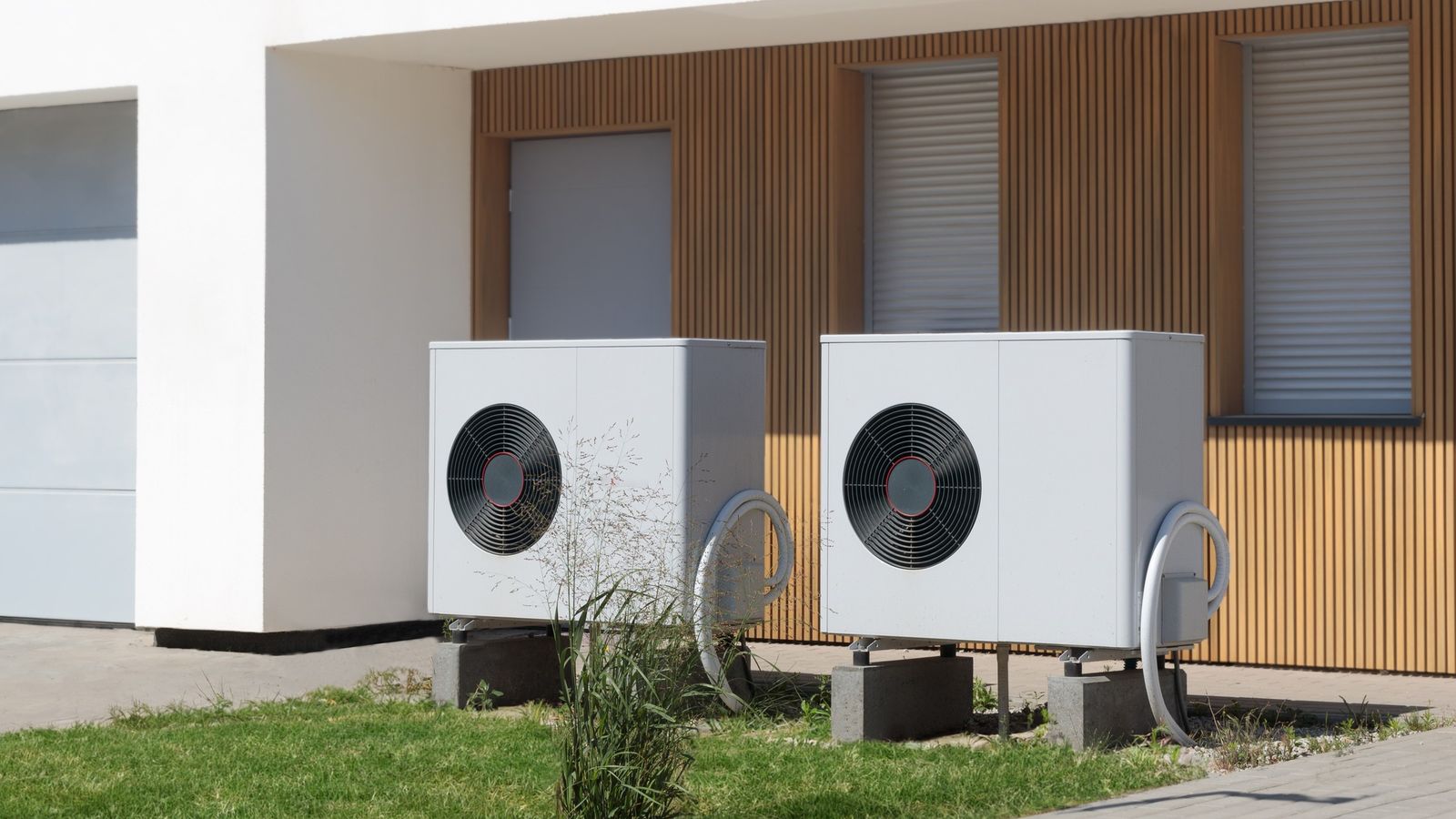
With a heat pump giving the same heat (about 17,000 kWh of electricity, assuming a boiler 85% efficient and a heat pump giving three units of heat per unit of electricity) and battery electric vans charged on site, the total falls to 5.31 tonnes, now mostly Scope 2: a cut of about 82%. Whether the switch saves money depends on your gas and electricity prices, which is why the promised work on the gap between them matters.
What to do now
- Check which schemes fit. Vans and lorries: the Depot Charging Scheme, open until 26 February 2027. Manufacturers: you may be eligible for the British Industrial Competitiveness Scheme from April 2027; check the GOV.UK eligibility rules.
- If you rent a larger commercial building, find out its EPC rating and talk to your landlord about the move to EPC B.
- Measure before you switch. Record gas kWh and van miles by fuel for a full year, so the cut shows against your baseline.
- Plan by replacement date. Most firms switch when a boiler or van is due for replacement anyway. Put those dates in your Carbon Reduction Plan.