What happened
Ofgem has published its first monthly update on how many heat networks have registered with it, and the number is small. As Tim McManan-Smith reported for The Energyst on 30 October 2026, 782 networks are on the list, about 5.5% of the more than 14,000 heat networks estimated to exist in the UK, around two thirds of them run by social landlords.
Speaking at the ADE's heat networks conference, Helena Charlton, Ofgem's Director of Heat Networks, warned that foot dragging would not be accepted: "Hiding from the regulations or thinking they don't affect you is not going to be an option." She said Ofgem would carry out targeted outreach over the coming weeks and is ready to use its enforcement powers where operators are not making the effort.
The rules themselves are not new. Ofgem has regulated heat networks in England, Scotland and Wales since 27 January 2026, and its heat networks page says operators and suppliers of existing networks must register by 26 January 2027. That is 87 days from the date of this story. Networks have been automatically authorised in the meantime (Ofgem calls it "deemed authorisation"). We covered the wider plans for heat networks in our story on the minister's speech of 22 October.
What it means for your business
The term "heat network" covers more than city district heating schemes. On Ofgem's list of networks in scope are:
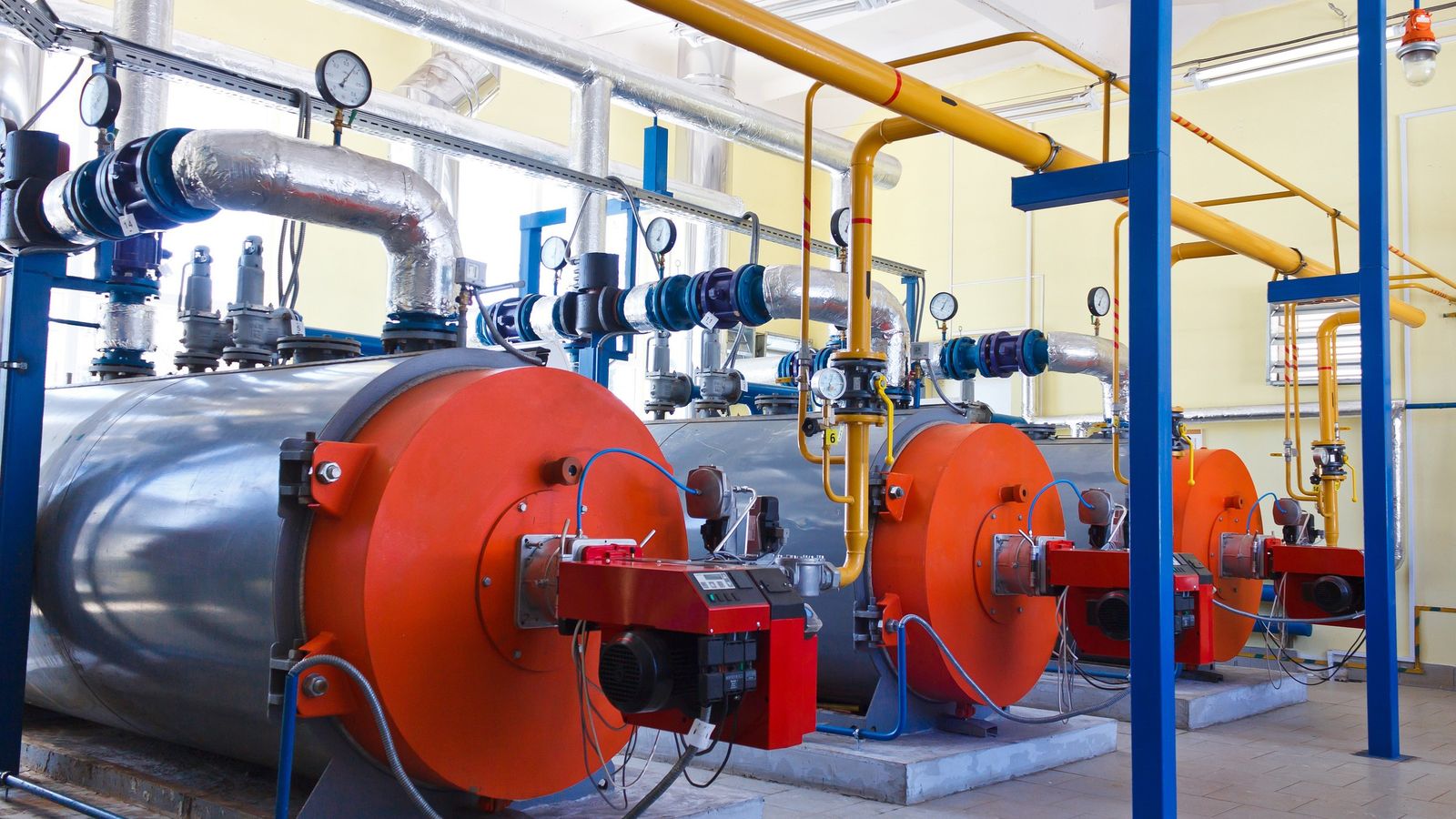
- Communal networks: one building divided into separate premises, with a central boiler or heat pump serving them, such as a block of flats or a multi-let office.
- District networks: heating, cooling or hot water supplied to two or more buildings.
- Self-supply networks: an organisation heating only its own buildings, for example a hospital, a college campus, a prison or a large site with several buildings owned and occupied by the same business. These have fewer obligations but still need registering.
- Industrial networks mainly supplying heat for an industrial process, and shared ground loop heat pump schemes.
So a landlord with a shared boiler, a business park with a central plant room or a manufacturer piping heat across its site may be an operator, a supplier or both. Ofgem's guidance is the place to check which tests apply to you; we can't tell from the outside.
Registration is not the end of it. Ofgem says registered networks must send it data every quarter and every year from autumn 2026, and must tell it about material changes, including switching the energy centre to a different fuel or technology. That is the same fact your carbon report turns on: what the heat is made from.
A worked example
An illustrative landlord runs a gas-fired communal heat network in a multi-let office building. Its energy centre burns 400,000 kWh of gas a year, and one tenant is billed for 50,000 kWh of metered heat.
| Who reports | What | Factor (2026) | kg CO2e |
|---|---|---|---|
| Landlord (Scope 1) | 400,000 kWh gas burned | 0.18231 kg per kWh | 72,924 |
| Tenant (Scope 2), government average | 50,000 kWh heat bought | 0.17529 kg per kWh | 8,765 |
| Tenant (Scope 2), this network's own figure | 50,000 kWh heat bought | 0.21448 kg per kWh | 10,724 |
The landlord's gas comes to 72.92 tonnes CO2e a year. For the tenant, the government's average heat factor gives 8.76 tonnes, but that average is for heat from combined heat and power. If the landlord shares its own figure, the gas factor divided by a boiler efficiency of 85% (our assumption for this example), the tenant's figure becomes 10.72 tonnes. Same heat, different answer, which is why it pays to ask your operator for its fuel mix while it is gathering the same facts for Ofgem.
What to do now
- If you might run a network: read Ofgem's "Who should register" page, pick a regulatory contact (usually the most senior person responsible for heat), and request access to the digital service. Ofgem says it replies within 10 working days, so leave time before 26 January 2027.
- If you supply heat to others: Ofgem's page says suppliers must also join the Energy Ombudsman's heat network supplier scheme.
- If you buy heat from a network: ask the operator whether it has registered, for your metered kWh per billing period, and for an emission factor for the heat it delivers, with the year and the fuels behind it.
- Either way: keep the energy centre's fuel bills. They feed both Ofgem's data returns and your Scope 1 or Scope 2 figure.