What happened
The 31st UN climate change conference, COP31, opened in Antalya, Türkiye, on 9 November 2026 and runs to 20 November. As James Murray reported for BusinessGreen, a fight over the agenda was avoided and the UN's climate chief used the opening to call for practical results. UN Climate Change published the opening statements in full. The main points:
- "Supercharge solutions". Executive Secretary Simon Stiell said COP31 must break global targets and national plans into practical steps: tripling renewables capacity by 2030, moving power "across grids and borders", and delivering the tripling of adaptation finance agreed last year.
- Methane and electrification. He singled out "super-polluting methane emissions", particularly in oil and gas and in waste, and said action on methane and electrification together could cut half a degree from projected global heating.
- Fossil fuel prices. He said "this year's fossil fuel cost chaos" had hit households hard and spread inflation, and that renewables saved around half a trillion dollars last year and a further $265 billion in the first half of 2026. He also said 90% of large renewable projects are now cheaper than fossil fuel alternatives.
- 35-by-35. COP31 President Murat Kurum said the presidency's Global Electrification Pledge aims to raise electricity's share of final energy consumption to 35% by 2035, and that families "must feel" the talks' impact "in lower energy bills".
- Finance. Both pointed to the goals agreed in Baku: at least $300 billion a year of climate finance for developing countries by 2035, and $1.3 trillion a year from public and private sources.
The talks open in the same week the World Meteorological Organization said 2026 will be among the four warmest years on record (see our post on the WMO update). Our COP31 preview covers what the EU is pushing for.
What it means for your business
No new rules yet. Nothing said on day one changes what a UK business must report or pay. Decisions come at the end of the summit, and then have to be put into practice by each government.
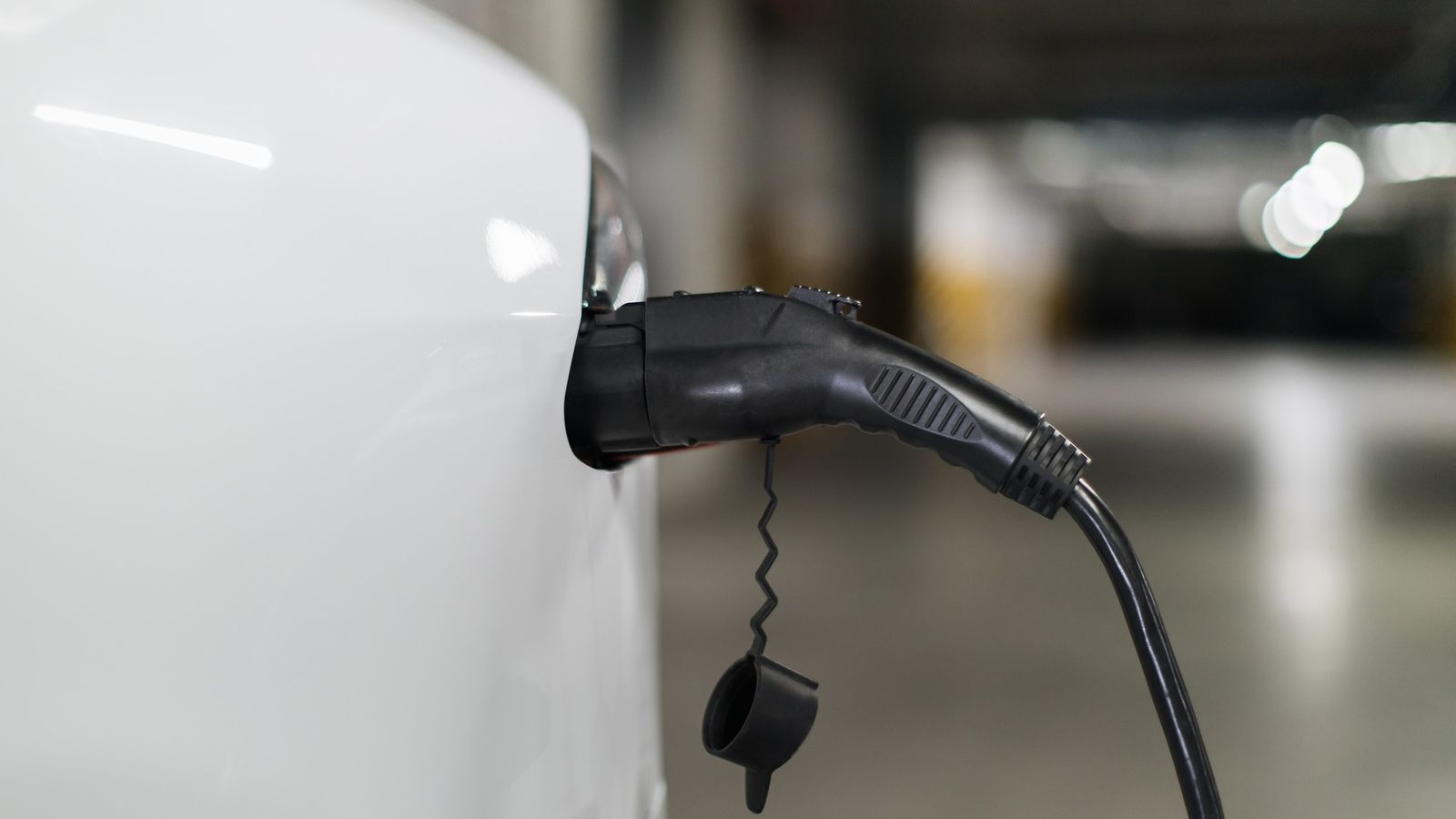
Electrification is the direction of travel. Both the UN and the host presidency put electric heat, transport and industry at the centre. For a business, the gas boiler, diesel van or fuel-fired machine you replace in the next few years is likely to be compared with an electric option by customers, lenders and government schemes.
Methane is back in focus. Most methane comes from oil and gas, farming and waste. If you buy food, send waste to landfill or use gas, some of it sits in your footprint already: landfill and gas supply chains are part of the UK conversion factors. Our post on methane and food suppliers explains where it shows up.
Energy price risk is a carbon question too. The "cost chaos" Stiell describes is the price swing that comes with fossil fuel. A business that uses less gas cuts both its exposure to that swing and its Scope 1 emissions.
A worked example: a gas boiler replaced by a heat pump
Take an illustrative workshop burning 60,000 kWh of mains gas a year in a boiler assumed to be 90% efficient. An air source heat pump with a seasonal efficiency of 3 delivers the same 54,000 kWh of heat. The factors are the 2026 UK government conversion factors.
- Gas boiler: 60,000 kWh of gas, 10.94 tonnes CO2e a year (Scope 1).
- Heat pump: about 18,000 kWh of electricity, 2.36 tonnes CO2e a year (Scope 2, location-based).
- Cut in heating emissions: about 78%.
The inputs are made up for the example. Your own result depends on the building, the heat pump and how it is run, and the electric figure falls further as the grid gets cleaner.
What to do now
- Note what runs on gas or diesel. Boilers, vans and plant near the end of their life are the cheapest point to consider an electric replacement. Grants may help: the Boiler Upgrade Scheme sets out who may qualify in England and Wales.
- Measure your fuel and power use. Your energy bills and mileage are enough to work out Scope 1 and 2. Our guide to Scope 1, 2 and 3 explains how each counts.
- Watch the outcome. The summit ends on 20 November. We will report any deal on methane, electrification or carbon markets and what it means for UK businesses.