What happened
The ASA published rulings on Wednesday 11 November 2026 against online ads that promised greener deliveries. A Google search ad for kitchenware retailer ProCook, seen on 8 June 2026, said "Next Day Delivery Available - Carbon Neutral Delivery". A paid Meta ad for toilet roll retailer Who Gives A Crap, seen on 9 June 2026, said "Carbon neutral shipping". Both businesses told the ASA the claims were backed by carbon credits: ProCook's delivery company had cut some emissions and offset the rest, and Who Gives A Crap offset every stage from factory to doorstep with verified credits, plus a 10% buffer.
The ASA upheld both complaints. In the ProCook ruling it said it was "ambiguous if that was achieved via offsetting credits or via the actual removal of any sources of emissions", and that neither the ad nor the page it led to explained it. It also rejected the idea that a short ad had no room: the search ad had a limit of 270 characters. The Who Gives A Crap ruling reached the same conclusion. Both ads broke CAP Code rules 3.1 and 3.3 on misleading advertising and 11.1 on environmental claims, and must not appear again in the form investigated.
The rulings form part of a wider ASA review of carbon neutral delivery claims, found partly by its Active Ad Monitoring system, which uses AI to search for ads that may break the rules. As Sidhi Mittal reported for edie, coffee company Grind and SportsShoes.com were also ruled against on the same day: edie reports the ASA found Grind's "Carbon Positive Delivery" ambiguous, and that the page meant to support SportsShoes.com's claim had been deleted.
What it means for your business
The ASA accepted that shoppers understood "carbon neutral delivery" to cover the delivery only, not the product. That didn't save the ads. What was missing was the basis of the claim, which CAP guidance says should not be left out: whether, and how far, carbon neutrality comes from cutting emissions or from offsetting. Any business that advertises a green delivery, product or service is held to the same test, whatever its size.
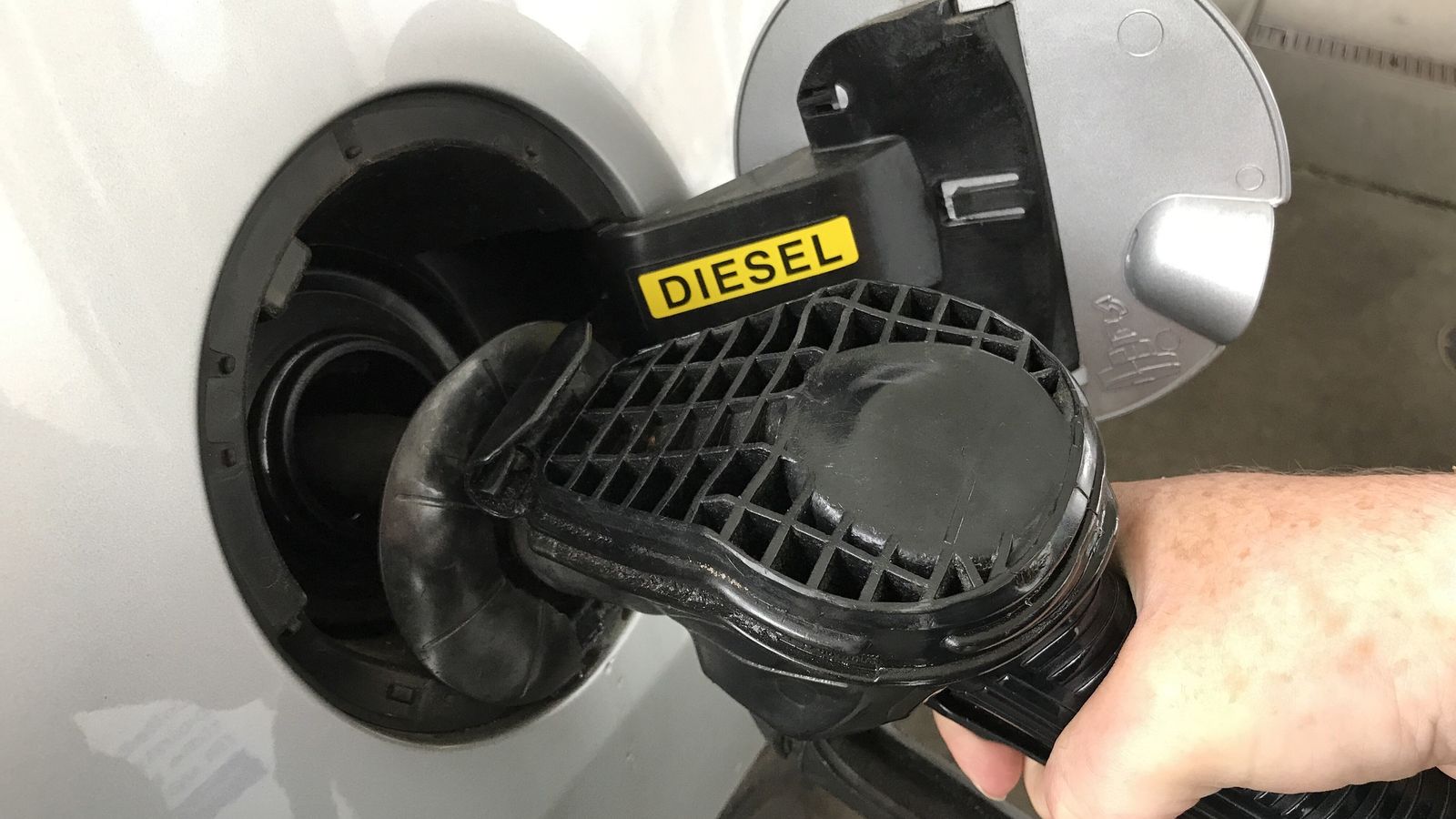
It also matters for your carbon report, because offsets don't change it. Take an illustrative online retailer running two diesel vans that each cover 15,000 miles a year. Under the 2026 government factors, those 30,000 miles are 12.42 tonnes CO2e of Scope 1. If the business buys credits to match them, its report still shows 12.42 tonnes, with the credits listed separately. If it replaces one van with an electric one, the total falls to 7.24 tonnes (Scope 1 for the diesel van, Scope 2 for the electric van's charging). With both vans electric it is 2.06 tonnes. A claim built on that kind of cut is easier to explain in an ad than one built only on credits.
What to do now
- Search your own ads and site for the words. Look for "carbon neutral", "carbon positive", "net zero" and "climate neutral" in search ads, social posts, checkout pages and delivery banners. ProCook told the ASA it was auditing its old campaigns; legacy ads are where these claims hide.
- Say how in the ad itself. If a claim rests on offsets, say so in the ad, for example "delivery emissions offset with verified carbon credits", and link to a live page that gives the detail. If you have cut emissions, say what you cut and by how much.
- Ask your courier. If the claim comes from your delivery partner, ask them in writing what share is cut and what share is offset, and which credits they buy, before you repeat it.
- Keep the figures. Hold the carbon figures behind any claim in a form you could show the ASA. Our guides to the Green Claims Code and carbon offsettingexplain what you can and can't say.