What happened
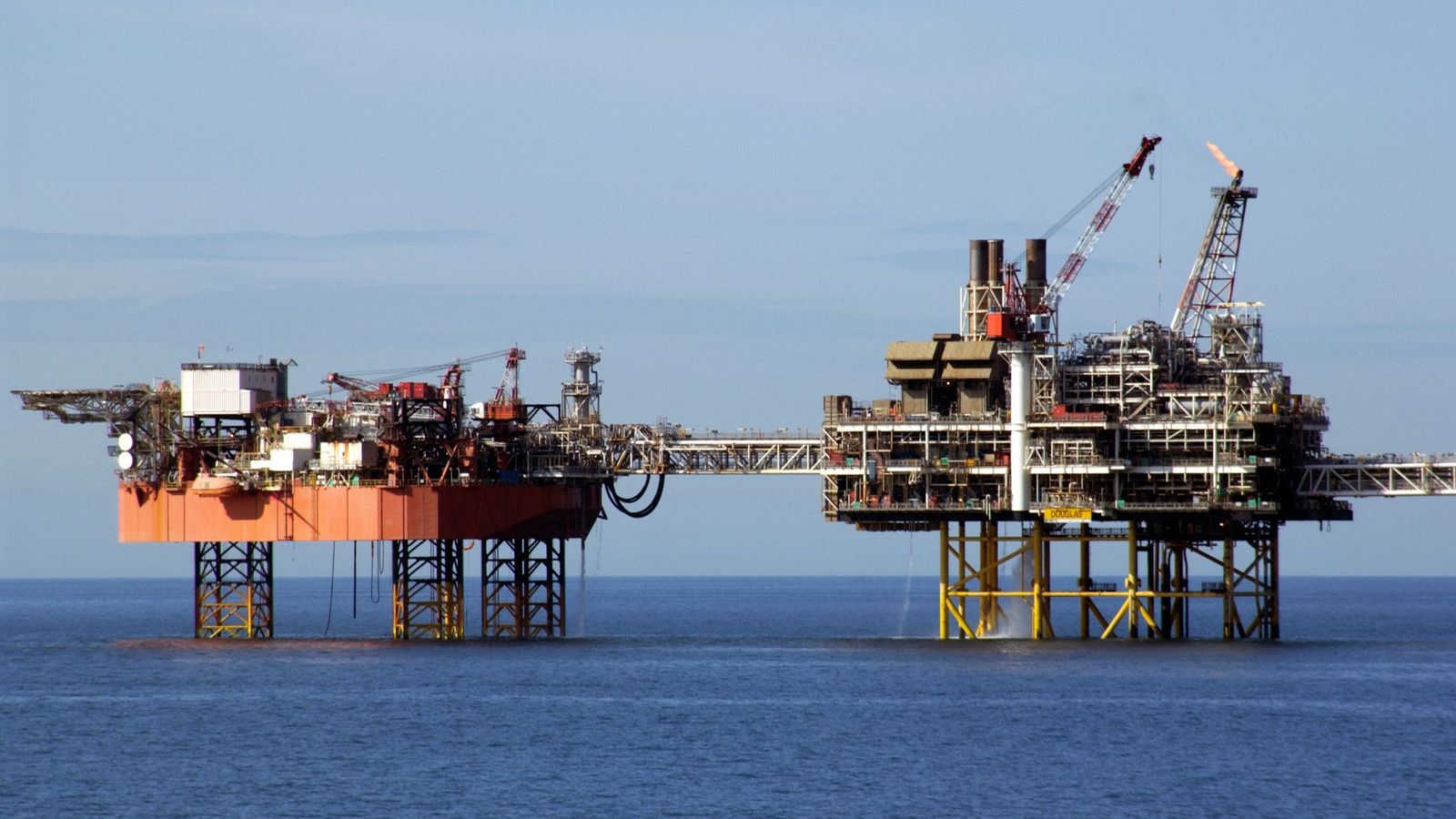
Centrica, which owns British Gas, has told workers at its Rough gas storage site, 18 miles off the East Yorkshire coast, that their jobs are still at risk after talks with the government on a new arrangement broke down. Sky News first reported the staff memo on 27 November 2026, and, as Henry Saker-Clark reported for the Press Association, chief executive Chris O'Shea wrote: "The Secretary of State has now told us that Government will not take up the short-term arrangement for this winter."
According to the memo, as quoted by the Press Association:
- The government also said it needs more time to work through consultation responses, and that its full response will now come "at some point next year".
- Rough's current consent ends on 30 April 2027, and the North Sea Transition Authority has given its approval to cease operations.
- Centrica is seeking urgent talks with the Prime Minister, Andy Burnham, to try to save jobs.
Centrica has said before that it intends to decommission Rough when its current licence lapses in April 2027 unless the government commits to a new long-term financial support mechanism. Closure would affect about 100 workers at the facility and around 350 in the supply chain, the Press Association reports. A spokeswoman for the Department for Energy Security and Net Zero (DESNZ) said National Gas's Winter Outlook confirms there is enough gas to meet demand this winter, that only 5% of supply came from storage last winter, and that the government has set out options for future commercial support while ensuring proposals give value for money for consumers.
How big Rough is. In its own letter to Ofgem in May 2025, Centrica said Rough holds around 54 billion cubic feet of gas (including cushion gas, the gas left in the reservoir to keep the pressure up), provides half of the UK's total gas storage capacity and could heat almost 10% of UK homes through winter. It said it plans to expand the site to 120 and potentially 200 billion cubic feet, and that the site could later store hydrogen.
Rough is the second big storage site in doubt this month. On 18 November SSE said that without government action it expects to start rewatering its Atwick storage caverns in summer 2027, as we reported in SSE's Atwick gas storage closure.
What it means for your business
This winter's supply is not the question. The government and National Gas say there is enough gas for winter 2026/27, and Rough is still operating. The decision matters for the winters after April 2027, and mostly through price: storage lets the market buy gas in summer and release it when demand peaks, which Centrica argues smooths price spikes. Without it, more of the UK's winter peak has to be met by imports bought at the time. Neither Centrica nor the government has forecast what closure would do to prices, and neither do we.
Your carbon footprint does not change with storage. Gas burned in your boiler is Scope 1 at 0.18231 kg CO2e per kWh on the 2026 government factors, whether it came from the North Sea, a tanker of LNG or a storage reservoir. What a storage decision can change is the price you pay for that kWh, which is a good reason to keep both the kWh and the cost in one record.
A worked example
Take an illustrative business that uses 60,000 kWh of gas a year for heating and hot water.
- Emissions: 60,000 kWh × 0.18231 kg CO2e per kWh = 10.94 tonnes CO2e a year, all Scope 1.
- Cost: at the Q2 2026 average business gas price of 5.28p per kWh in DESNZ's survey (including the Climate Change Levy), about £3,166 a year. That is a past average, not a forecast.
- Cutting gas use by 10%, for example by matching heating times to opening hours, saves 1.09 tonnes CO2e and about £317 a year at that price, whatever happens to storage.
What to do now
- Know when your gas contract ends and whether your price follows the wholesale market. A fixed deal that runs past April 2027 shields you from whatever the storage decision does to winter prices for its length.
- Record kWh every month, from meter readings or bills, so you can see your winter peak. Our guide to turning a gas meter reading into kWh and CO2e shows the conversion.
- Cut the winter peak first. Heating schedules, setpoints and weekend running are the cheapest savings, and they lower both the bill and your Scope 1 emissions.
- Watch for the government's response next year. If Rough is to close on 30 April 2027, the decision will have to come before then.