What happened
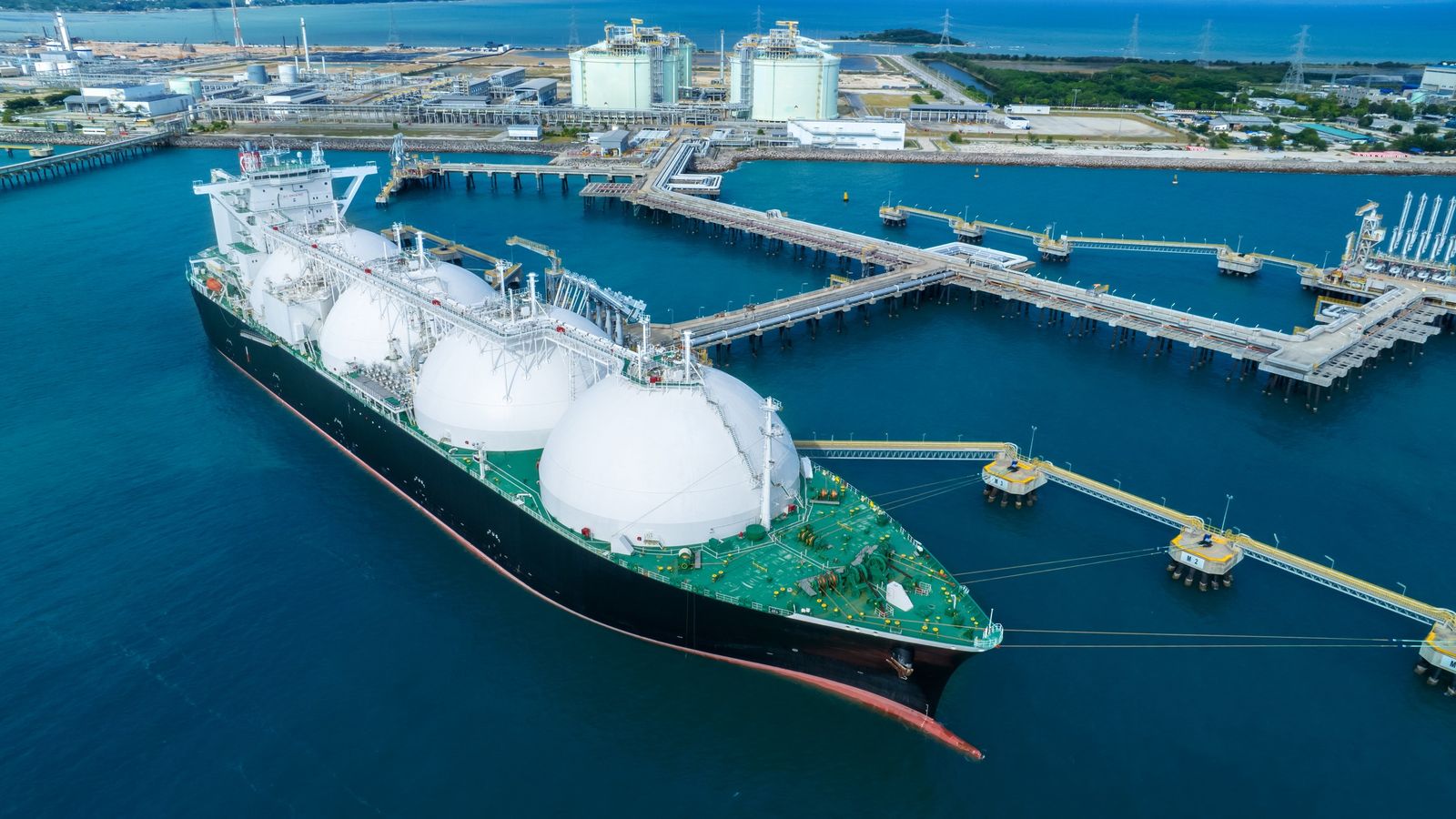
Carbon Brief, the specialist climate publication, published an analysis on 17 November 2026 that ranks countries by the CO2 in the fossil fuels they have dug up and sold to other countries since 1850. As Dr Simon Evans reported for Carbon Brief, Russia, Saudi Arabia and Australia, this year's COP31 co-president, are the largest CO2 exporters of all time. Venezuela, Iran, Norway, the United Arab Emirates and Canada follow. The figures come from a draft dataset covering 1850 to 2025 compiled by Robbie Andrew, a senior researcher at the Norwegian climate institute CICERO. The Guardian also reported the findings.
The main points, from Carbon Brief's own text:
- Exports change the rankings. Counting the fuel each country extracted, rather than the fuel burned on its soil, Russia gains responsibility for an extra 69 billion tonnes of CO2 and stays third. Saudi Arabia's cumulative emissions rise more than fourfold, to the world's fifth-largest share. Australia's more than double, putting it in the top ten.
- The US and China still lead. Both remain the largest historical emitters on this basis, even though both have been net importers of fossil fuels since 1850.
- The UK moves up to fourth, above Germany, which relies on imported fuel. Importers move down: Japan is the 6th-largest emitter on a territorial basis but 34th on an extraction basis, and Germany, India, France and COP31 host Turkey also fall.
- Responsibility is shared. Robbie Andrew told Carbon Brief that "it's not solely the responsibility of extracting countries that fuels are combusted; it's joint responsibility between extractors, producers and consumers."
What it means for your business
Your report does not change. Countries' official inventories and every UK company reporting rule, from SECR to carbon reduction plans, count emissions where the fuel is burned. The gas in your boiler is your Scope 1 at 0.18231 kg CO2e per kWh on the 2026 government factors, wherever it was produced. Extraction-based accounting is a way of sharing out historical responsibility between countries, and it is now part of the argument at COP31 about who should cut fossil fuel production.
The same idea already exists in company reporting. A business that sells fuel reports the emissions from its customers burning that fuel in Scope 3, category 11 (use of sold products), under the GHG Protocol Scope 3 Standard. So the same tonne can appear twice across different companies' reports, once as the burner's Scope 1 and once as the seller's Scope 3. That is allowed: Scope 3 shows where emissions sit in a value chain, and you never add different companies' reports together. Our guide to the 15 Scope 3 categories explains each one.
A worked example: one tonne, two reports
- A business that heats with 100,000 kWh of mains gas a year reports 18.23 tonnes CO2e in Scope 1 at 0.18231 kg per kWh.
- A fuel distributor that sells 2,000,000 litres of diesel a year to hauliers and builders reports the burning of that diesel, about 5,167 tonnes CO2e at 2.58354 kg per litre, in its Scope 3 category 11. Its customers report the same tonnes as their own Scope 1.
- Under extraction-based accounting, the tonnes in both lines would sit with whichever country extracted the gas and the crude oil. Carbon Brief's figures show how large that shift is for the big exporters.
What to do now
- Nothing changes in your reporting. Keep counting the fuel you burn as Scope 1 and the electricity you buy as Scope 2, with the government factors for the year.
- If you sell fuel or fuel-burning products, check whether you report use of sold products. Customers and large buyers increasingly ask for it, and it is usually the largest part of such a company's footprint.
- Follow COP31. The summit in Antalya ends this week, and fossil fuel production is one of the arguments over the final text. Our earlier post on this year's Global Carbon Budget covers where world fossil CO2 is heading.