What happened
As Alex Dunlop reported for BBC News on 24 November 2026, the television cook Delia Smith has joined campaigners against a £1.2bn data centre planned for Keswick, on the edge of Norwich. Opponents, including the broadcaster Jake Humphrey, fear noise and harm to the nearby Marston Marsh nature reserve, and Smith questioned how the grid would cope with a site "absolutely sucking up energy".
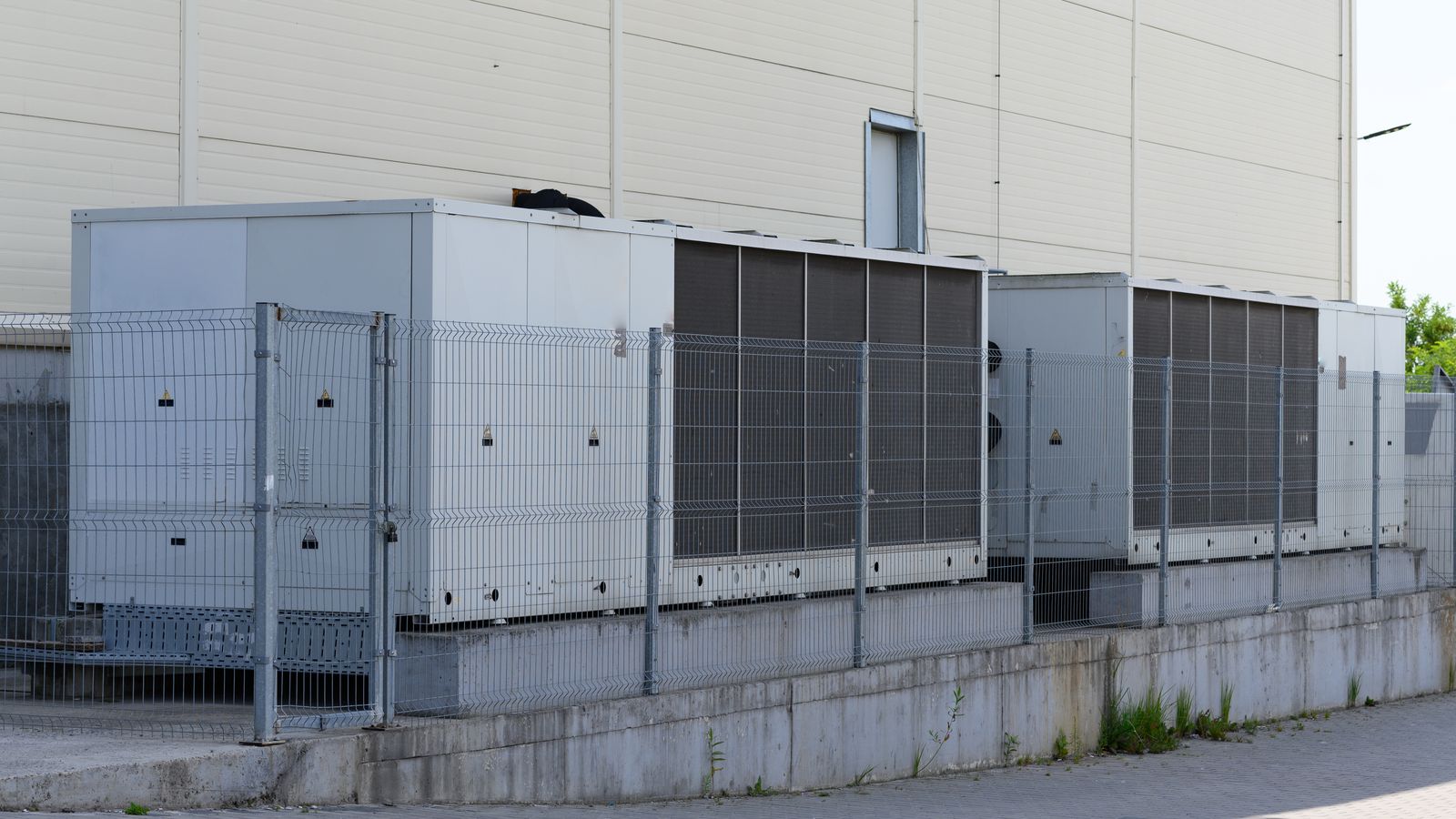
The developer, Norwich Apex Limited, describes the scheme in its own public notice as a "150 MW data centre" on land by Ipswich Road and the B1113. The BBC reports that the building would be about 20m high with 72 chiller units on its roof, that a planning application has been lodged with South Norfolk Council, and that if approved building could start at the end of 2027, with the site running by 2028. It is hoped the centre will use wind power by connecting to the nearby Hornsea 3 substation. Norwich Apex's chief executive, Matt Bartram, told the BBC the aim is "one of the UK's greenest data centres, using low-carbon power supplied via Norwich Main substation", and that an ecological assessment found no effect on the reserve was expected.
What 150 MW means in electricity and carbon
The developer has not published how much electricity the site would use in a year, so here is the range for the 150 MW in its notice, worked out with the same engine and the 2026 UK government electricity factor the app uses (0.13096 kg CO2e per kWh):
- Flat out all year: 150 MW for 8,760 hours is about 1.31 TWh, or about 172 thousand tonnes CO2e a year.
- At an illustrative 70% average load: about 0.92 TWh, or about 120 thousand tonnes CO2e.
- For scale: an office using 50,000 kWh a year reports about 6,548 kg CO2e, so the 70% figure is roughly what 18,000 such offices would report.
That is the location-based figure: under the GHG Protocol's Scope 2 rules, anything drawing from the grid reports the grid's average factor, whatever its contract says. A low-carbon power contract changes the market-based figure, which can be close to zero if the contract and its certificates qualify. Two cautions: the factor is a UK average that falls as the grid gets cleaner, and these are our estimates, not the developer's.
What it means for your business
"Low-carbon power" can mean different things. Generated on site, bought through a contract with a named wind farm, or matched with certificates. Each can give a near-zero market-based figure, but none takes the site off the grid's average. When a supplier makes the claim, ask which one it is.
Your cloud use is someone's data centre. Hosting, software and storage sit in your Scope 3, category 1. Providers that give you a figure for your account should say whether it is location-based or market-based, so you can report it the right way.
The grid is the bottleneck for everyone. A data centre the size of Keswick's joins the same queue for grid capacity as a business waiting for a bigger supply for heat pumps or chargers.
What to do now
- Report your own electricity both ways. If you buy a green tariff, show the location-based figure alongside the market-based one. Our UK electricity factor page has the location-based factor for each year.
- Ask your hosting and cloud providers for your share. Ask for the kWh and CO2e behind your account, both Scope 2 methods and the power contract behind any renewable claim. Our post on asking suppliers for carbon data has the wording.
- See where IT sits in your footprint. Our IT, cloud and laptop emissions guide shows where each item goes.
- Read the wider picture. Our posts on the Lanarkshire AI data centre and the Data Centre Covenant cover grid power and the reporting rules for big sites.