What happened
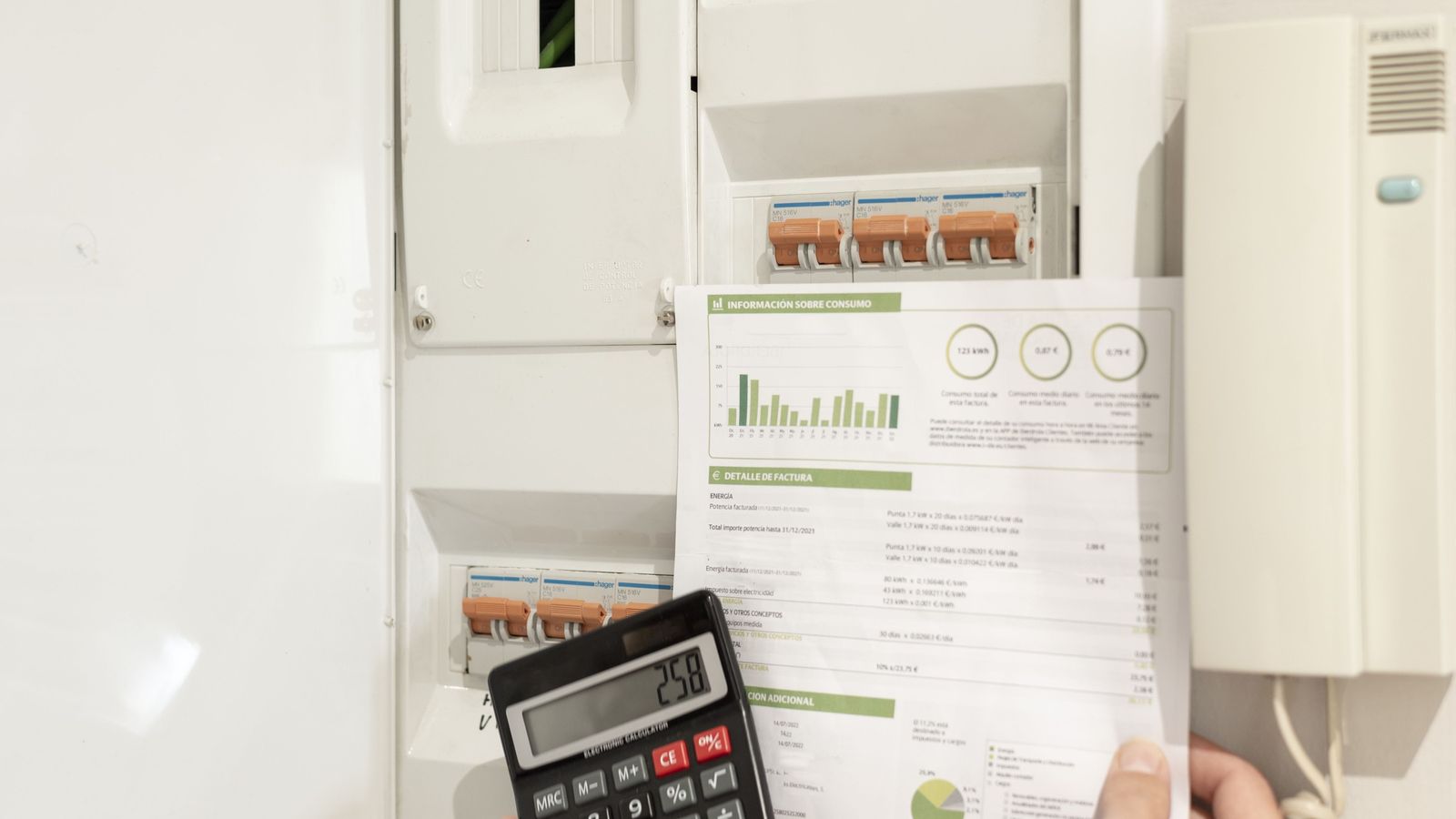
On 25 November 2026, the day Ofgem confirmed a 26% rise in the energy price cap from January (our story), the Climate Change Committee published an analysis of what the rise means for homes that run on gas and petrol compared with homes that run on electricity. The CCC is the independent body that advises the UK government on emissions targets. Its main findings:
- Three times the increase. Energy bill increases since the start of the Iran war have been three times higher for a typical fossil fuel household than for a modern electric household, one with an electric car, a heat pump and a time-of-use tariff.
- The "triple fuel" bill. The new cap adds £400 a year to the typical dual fuel bill for a home with a gas boiler. Counting the rise in petrol prices over the last quarter, the increase is £600, and electricity, gas and petrol together now come to £3,600 a year for a home with a gas boiler and a petrol car.
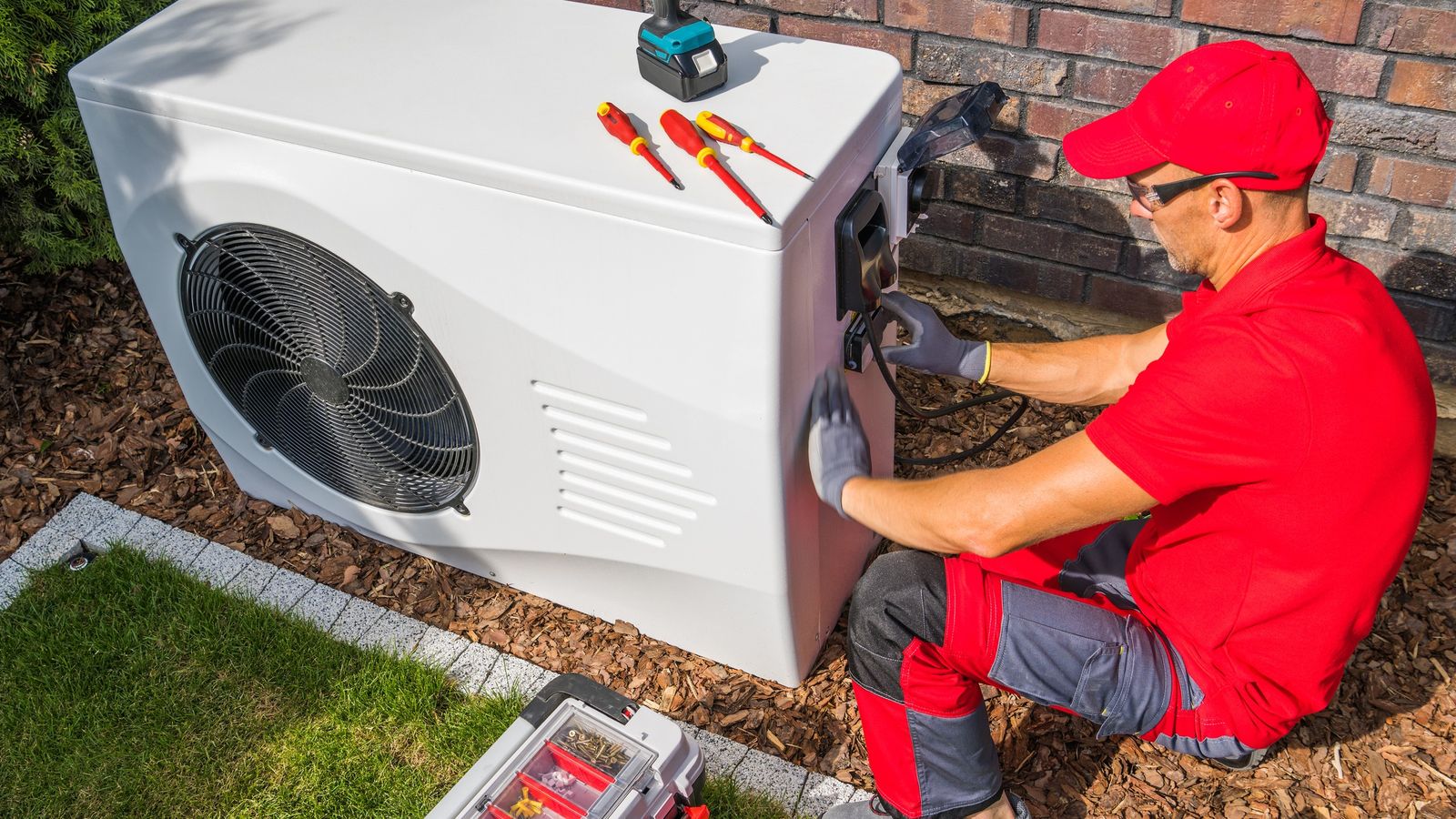
- What switching saves. With home charging, an electric car cuts the bill by £700 a year. A heat pump on a time-of-use tariff cuts it by a further £500, bringing the total under £2,400. Electric technologies add about £200 a year in upfront costs spread over their life, but the CCC says a typical household still saves over £1,100 a year after upfront and maintenance costs.
- The limits. The CCC says not all homes suit all of these technologies, and for many households switching tariff or getting support from suppliers or grant schemes are the other options.
The CCC's methodology note sets out the typical household: Ofgem's typical use of 9,500 kWh of gas and 2,500 kWh of electricity a year, and 12,400 km a year in one car. It models a gas boiler at 0.85 efficiency and a heat pump at 2.94, a petrol car using 0.062 litres per km and an electric car 0.19 kWh per km.
What it means for your business
Our sum: the carbon gap is wider than the bill gap. The CCC worked out the pounds. We ran its household through the 2026 government conversion factors. The fossil fuel home burns 9,500 kWh of gas (0.18231 kg CO2e per kWh), 1.73 tonnes; uses 2,500 kWh of electricity (0.13096 kg per kWh), 0.33 tonnes; and buys 769 litres of petrol (2.075 kg per litre), 1.60 tonnes. That is 3.65 tonnes CO2e a year. The electric version swaps the boiler for about 2,747 kWh of heat pump electricity and the petrol for about 2,356 kWh of charging: 7,603 kWh in all, 1.00 tonnes CO2e, about 73% less. The bill falls by roughly a third; the emissions by nearly three quarters, because the grid is now much cleaner per kWh than gas or petrol.
The same maths applies to a business. A heat pump turns each kWh of electricity into nearly three kWh of heat, where a boiler turns each kWh of gas into less than one, and an electric car needs a fraction of the energy of a petrol one. A business car driven 12,400 km a year produces 2.00 tonnes CO2e as an average petrol car and 0.33 tonnes as an average battery electric car, on the government's company car factors. For an owner-managed business, the CCC's figures are a fair guide to the running-cost side of the same choice for premises and vehicles, though business energy is not covered by the price cap and contract prices differ.
Exposure to gas prices is a business risk. The CCC's point is that households on electricity were far less exposed to the gas price shock. Businesses that heat with gas and run petrol or diesel vehicles carry the same exposure, and lenders, large customers and tender questions increasingly ask about it.
What to do now
- Measure in kWh and litres, from bills, meter reads and fuel cards, so you can see what your heating and vehicles burn rather than what they cost.
- Price the switch on your own numbers. Replace the CCC's typical figures with your own gas use, mileage and contract rates before deciding.
- Check for support. The Boiler Upgrade Scheme in England and Wales covers buildings used for a business, with £7,500 towards an air source or ground source heat pump. You may be eligible: read the conditions on GOV.UK first.