What happened
On 5 November 2026 the Bank of England announced that its Monetary Policy Committee had voted by 8 to 1 to raise Bank Rate by 0.25 percentage points to 4%. One member, Catherine Mann, voted for a bigger rise to 4.25%. As Michael Race and Kevin Peachey reported for the BBC, it is the first increase since August 2023. The Bank was clear about the cause:
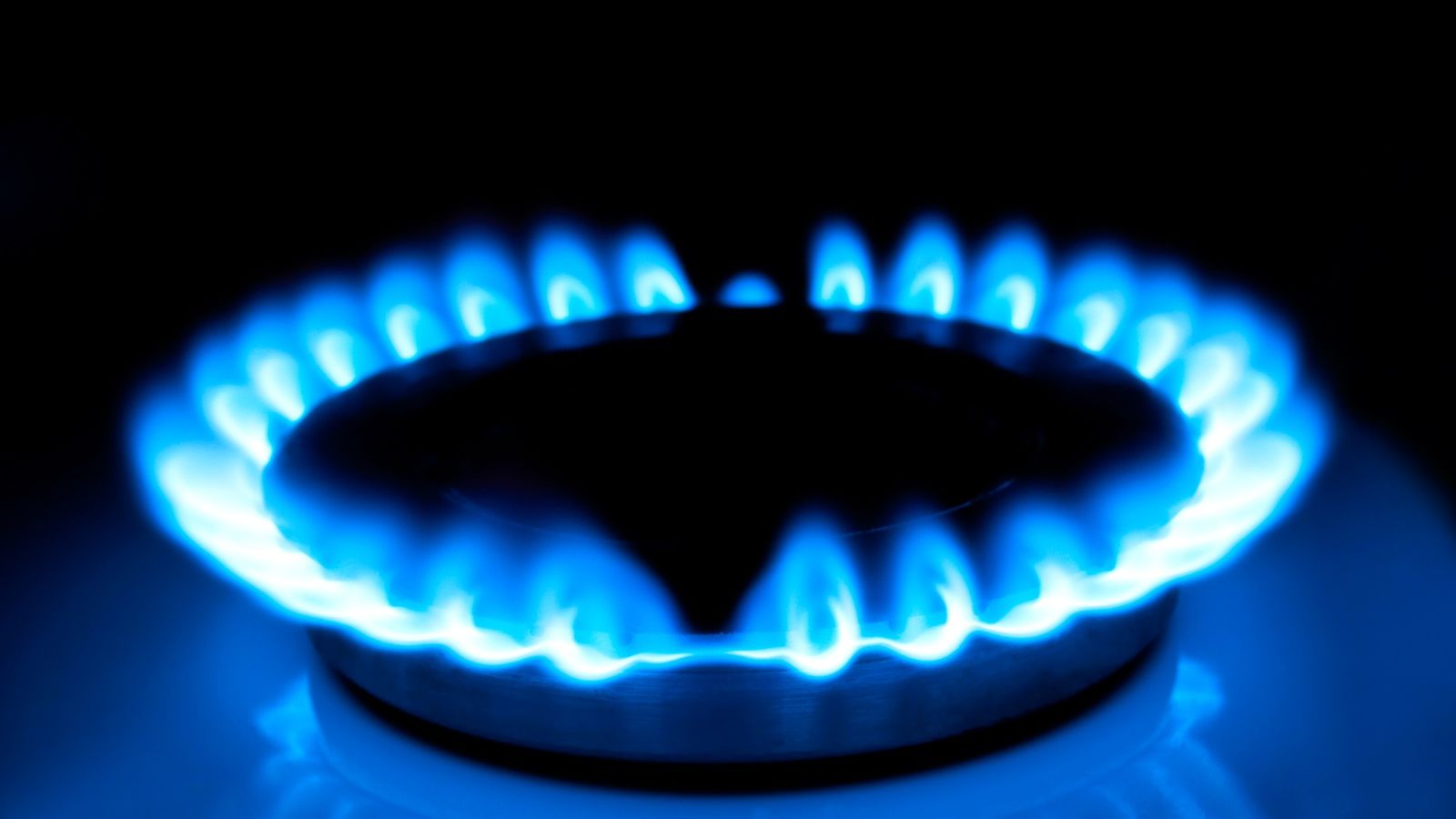
- Energy prices. The conflict in the Middle East is in its ninth month and, in the Bank's words, global energy prices "have continued to rise from an already elevated level". Its minutes say UK front-month gas averaged 216p a therm and Brent crude $108 a barrel in the three weeks to 27 October, 81% and 38% higher than when it published its July report.
- Inflation. UK inflation was 3.5% in September, and the Bank says direct energy effects added around 1 percentage point of that, mostly from fuels. It expects inflation to rise to around 5% by the middle of next year before falling as the energy effect fades. The BBC reports the Bank's adverse scenario, with the conflict escalating further, at 6.2% in 2027.
- Not necessarily the last rise. Governor Andrew Bailey wrote that settling inflation "requires real progress towards settling the conflict in the Middle East", and that without news that softens the risks he could see the argument for a further increase. Another member, Alan Taylor, called it a "one-for-now" insurance rise.
What it means for your business
The energy rise may still be on its way to you. The Bank's minutes say many firms already face higher prices for oil and fuels, but "some had not yet seen large rises in gas or electricity prices owing to hedging or longer-term fixed-price contracts", and that firms are absorbing costs through lower margins. The Bank judges those buffers to be temporary. If your gas or electricity contract renews in the next few months, the new price will reflect a wholesale market far above where it was in the summer. Our earlier post explains why expensive gas drives most of the rise in electricity bills too, and the business electricity and gas prices page tracks the official averages.
Borrowing for upgrades costs a little more. Loans and asset finance on variable rates usually move with Bank Rate. As a rough guide, each 0.25 percentage points on a £20,000 loan for LED lighting, insulation or controls adds about £50 a year in interest. That is small next to the energy saving such work can bring at today's prices, but it is worth asking your lender how your rate is set.
Carbon and cost now point the same way. Burning less gas and oil lowers your Scope 1 emissions and is the part of the bill the Bank says is driving prices. A business that cuts its energy use is less exposed to the next move in prices, whichever way the conflict goes.
A worked example: what the gas price means for one site
Take an illustrative business that burns 100,000 kWh of gas a year, about the size of a large shop or a small factory. The wholesale price is only part of a business gas bill (network charges, levies, the supplier's margin and VAT come on top), but it is the part that has moved:
- At the Bank's 216p a therm (about 7.4p a kWh), the gas itself costs about £7,370 a year.
- At the July level, before the 81% rise (about 4.1p a kWh), it was about £4,072, so the rise adds roughly £3,298 a year once it reaches the contract.
- On the 2026 UK government factors, 100,000 kWh of natural gas is 18.23 tonnes CO2e in Scope 1 (0.18231 kg per kWh, gross calorific value).
- Cutting use by 10% (10,000 kWh) saves about £737 of wholesale gas a year at today's price and 1.82 tonnes CO2e.
Your own figures depend on your contract and your meter readings; the point of the example is the scale of the change, not a quote.
What to do now
- Find your contract end dates. For every gas and electricity supply, note when the fixed price ends, so a renewal at a higher price is not a surprise.
- Get a year of meter readings or bills together. They tell you how much you use, when, and where the quickest savings are. Our guide to Scope 1, 2 and 3 shows how gas, fuel and electricity each count.
- Start with low-cost changes. Heating times and setpoints, controls, draught-proofing and switching off out of hours cut gas use without borrowing.
- Check what support exists. Energy-intensive businesses may be eligible for help with costs; our British Industrial Competitiveness Scheme check and Climate Change Levy check explain the rules, which are set out on gov.uk.