What happened
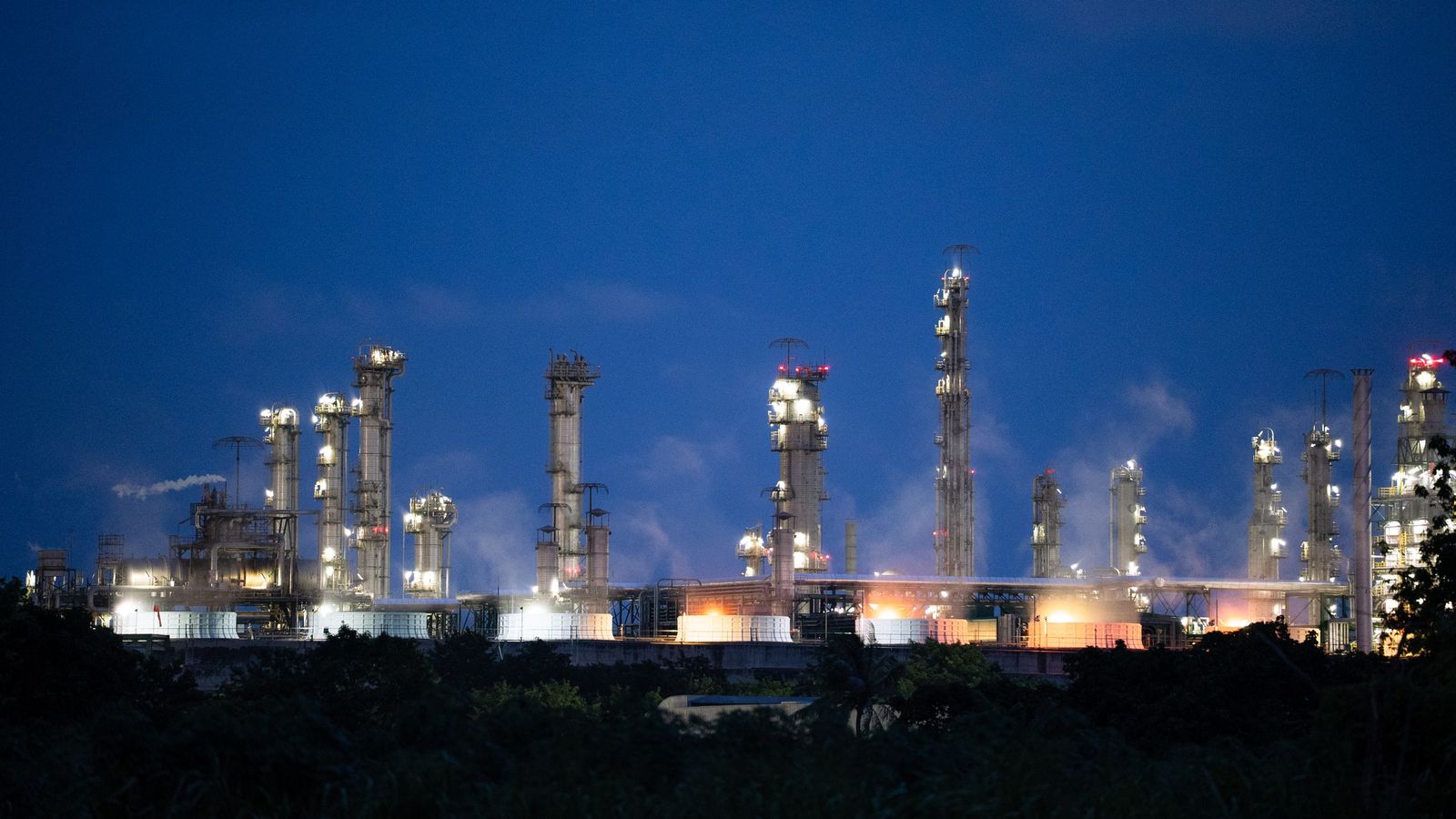
On 20 November 2026 the Department for Energy Security and Net Zero (DESNZ) published the results of a review of the projects negotiating to join HyNet, the carbon capture, usage and storage cluster around Merseyside, Cheshire and North Wales. DESNZ had sorted those projects into "Priority" and "Standby" in August 2025, because demand for space on the cluster's carbon dioxide network was far higher than its initial capacity.
The updated list is:
- Final investment decision reached (outside the review): Hanson Padeswood Cement Works Carbon Capture Project (Heidelberg Materials) and Protos Energy Recovery Facility (Encyclis).
- Priority: Hydrogen Production Plant 1 (EET Hydrogen) and Ince Bioenergy with Carbon Capture and Storage (Evero Energy).
- Standby: Essar Energy Transition Industrial Carbon Capture (EET Fuels), Hydrogen Production Plant 2 (EET Hydrogen and Progressive Energy), Parc Adfer Energy from Waste Industrial Carbon Capture Project (Enfinium), Runcorn Carbon Capture Project (Viridor) and Silver Birch (Climeworks UK).
- Removed: Connah's Quay Low Carbon Power (Uniper), which was on the Priority list in August 2025.
According to the Planning Inspectorate, Connah's Quay Low Carbon Power is a proposed gas-fired power station of up to 1,380 MW net output with post-combustion carbon capture, connected to the HyNet CO2 pipeline. Its planning application is at the decision stage, with a decision date of 9 December 2026. DESNZ did not give a reason for removing this one project. It said all classifications were assessed against deliverability, schedule, value for money, affordability and the government's objectives.
DESNZ says the removal leaves "additional network availability within the Priority configuration", that it is considering which Standby projects could best use it, and that it intends to decide in the first quarter of 2027. It keeps the right to move projects between the two lists or end negotiations with any of them.
What it means for your business
If you buy cement, or send waste for energy recovery in the region. Padeswood and Protos are the projects closest to capturing carbon. Their lower emissions only reach your own report through supplier-specific data, so once they are running, ask for figures that show the capture rather than assuming them. Until then, use the standard government factors.
If you are a heavy gas user in the North West. Low carbon hydrogen from HPP1, which stays Priority, is meant for local industry. The size of what is at stake is your Scope 1 gas. An illustrative manufacturer burning 2,000,000 kWh of natural gas a year reports 364.62 tonnes CO2e at the 2026 government factor of 0.18231 kg CO2e per kWh (gross calorific value). Switching part of that to hydrogen would cut the figure only for the share switched, and only with evidence of how the hydrogen was made.
If you are planning around new low carbon power. Removing Connah's Quay means one fewer large dispatchable low carbon power station in the cluster's first phase. For a business buying electricity, nothing changes now: the grid factor for each year is set by what is actually generating.
What to do now
- Report on what you use today. Use the kWh on your gas and electricity bills with this year's government factors. Projects in negotiation do not change them.
- Ask your suppliers. If you buy from Heidelberg Materials, Encyclis, Viridor, Enfinium or EET, ask when they expect to publish product or service emissions that reflect carbon capture.
- Watch for the next decision. DESNZ plans to update the Priority list in the first quarter of 2027.