What happened
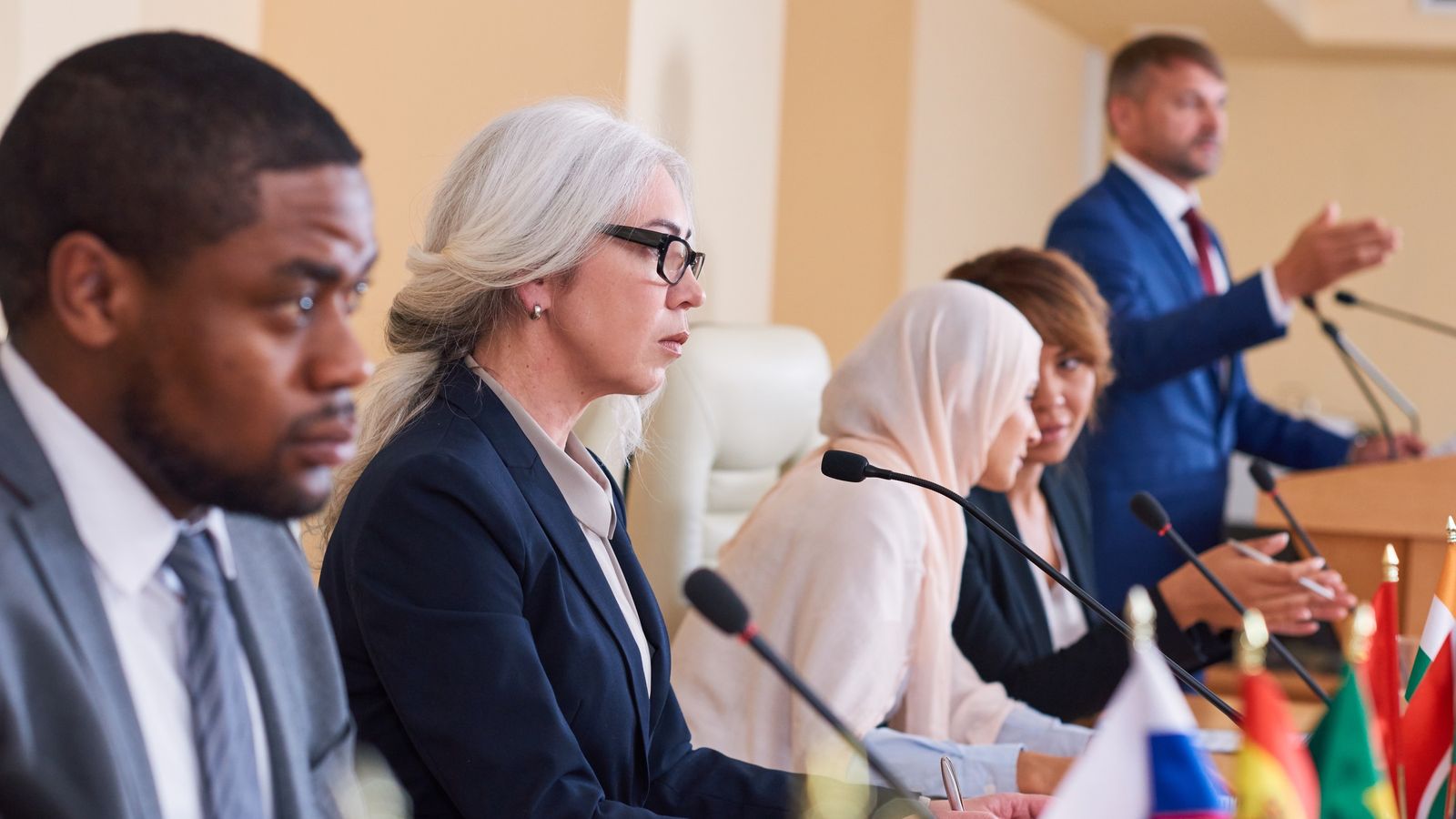
The UN climate summit COP31, hosted by Türkiye with Australia leading the negotiations, ended on Sunday 22 November 2026 without a deal. It had been due to finish on Friday 20 November. At the closing plenary, COP31 President Murat Kurum said: "We recognize that there is no consensus on this document. Therefore, these decisions have not been adopted", as Sarah McFarlane and Peter Hobson reported for Reuters. Reuters noted that the last major breakdown in the UN talks came at Copenhagen in 2009.
- The EU objected. Speaking for the EU, Ireland's climate minister Darragh O'Brien told the plenary the bloc formally objected to the draft "Antalya pact" because it "fails to meet the moment" and did not mention fossil fuels, according to Bibi van der Zee's live report for the Guardian. Panama, the Marshall Islands and Norway also objected.
- The UK said the text fell short. In a statement published on gov.uk that afternoon, the government said the cover decision proposed by the presidencies "moves us backwards on the science when we must accelerate implementation". It committed to keep working with partners on the transition away from fossil fuels, clean electrification, a process on adaptation finance and reform of the COP process, ahead of COP32 in Addis Ababa.
- Fossil fuels were the sticking point. As Esme Stallard reported for the BBC, the last draft had no specific reference to "transitioning away from fossil fuels", though it acknowledged the commitment countries made at COP28 in Dubai in 2023. Earlier drafts had been stripped of mentions of coal, oil and gas after pressure from producers led by Saudi Arabia.
- What the text would have said. It recognised for the first time that the world is on track to miss the 1.5C goal and called for faster development of carbon removal to bring warming back down later. A figure for adaptation finance was left to future meetings.
- Some decisions did pass. As Mark Poynting, Esme Stallard and Justin Rowlatt reported for the BBC after the close, the main deal fell through but other agreements were reached, including progress on a "just transition mechanism" to support workers and communities as economies move to clean energy. The COP31 president said more than 80 countries backed Türkiye's goal for electricity to meet 35% of global energy use by 2035. Energy Secretary Miatta Fahnbulleh called the failure to reach a political agreement "immensely disappointing", and UN Secretary-General Antonio Guterres said he was "deeply disappointed". The next summit, COP32, is due in Ethiopia in November 2027.
- Earlier deals stand. Reuters noted that the failure to agree does not wipe out obligations agreed at earlier summits or the rules that govern the Paris Agreement.
Our report from the opening day covers what the UN and the host presidency asked for at the start, including the 35-by-35 push for electricity to supply 35% of final energy by 2035.
What it means for your business
No new international rules, and no rules lost. A COP decision only changes what a business must do once a government writes it into its own law. The UK's target under the Paris Agreement, set by the government and published on gov.uk, is to cut all greenhouse gases by at least 81% by 2035 against 1990. That target, the Climate Change Act's carbon budgets, SECR reporting and the UK ETS are untouched by Antalya.
The UK-EU carbon market link is a separate deal. The agreement to link the UK and EU emissions trading schemes from 2028 was made between the two sides on 20 November, not at COP (see our post on the link).
Customers and lenders will keep asking. Supply chain questionnaires, tenders and bank climate checks are driven by buyers' own targets and by national rules, and none of those were waiting on Antalya. A business that already measures its footprint is not exposed by the summit's failure either way.
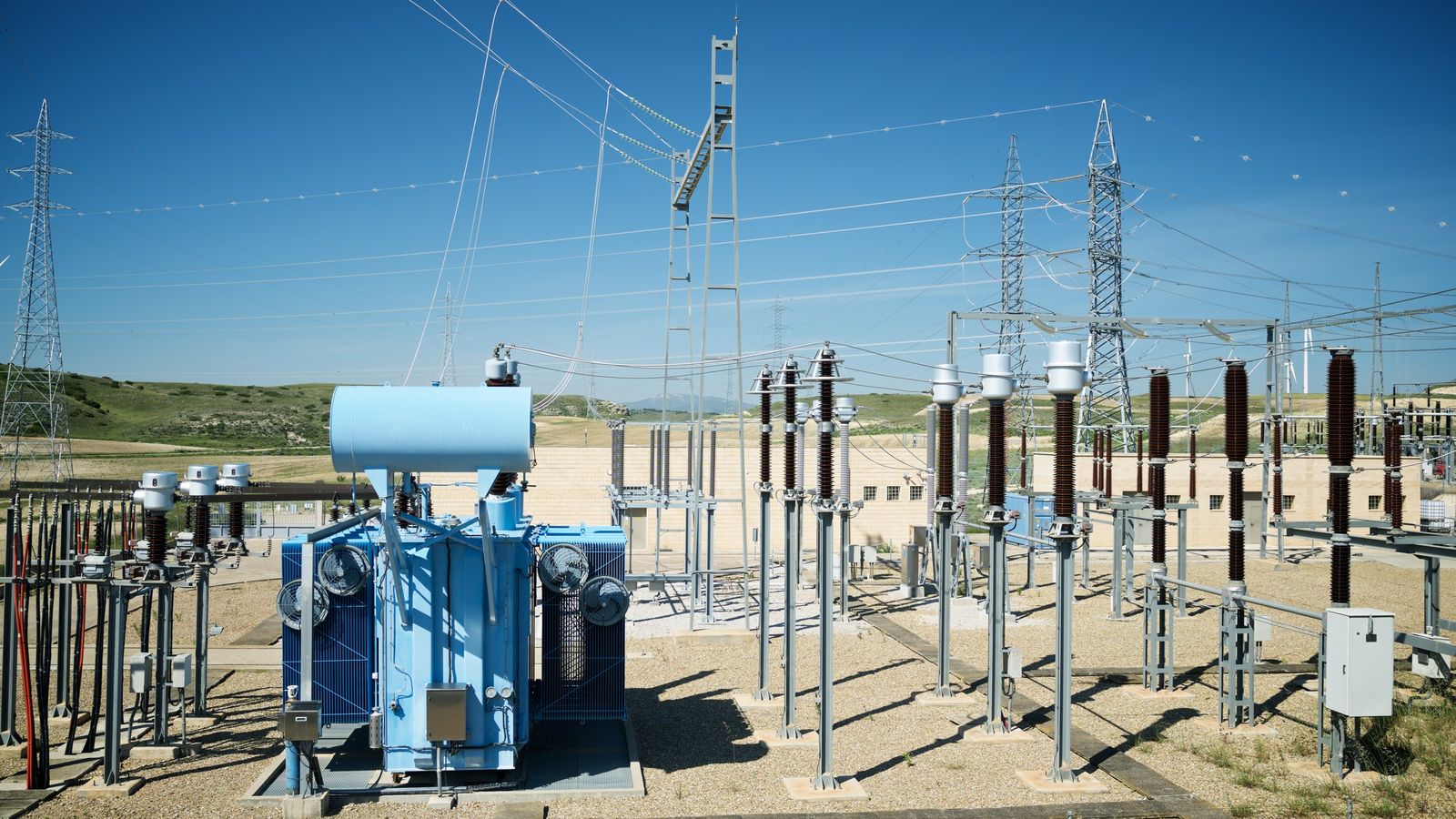
Home-grown change carries on. The UK grid keeps getting cleaner whatever happens at the UN, which lowers the carbon in every kilowatt hour you buy. The UK's clean electrification roadmap, published during the summit, still points businesses towards electric heat and vans.
A worked example: the same electricity, three different years
Take an illustrative site using 100,000 kWh of grid electricity a year. Counted on the UK government conversion factor for each year (location-based Scope 2):
- 2016 factor: 41.21 tonnes CO2e
- 2021 factor: 21.23 tonnes CO2e
- 2026 factor: 13.10 tonnes CO2e, about 68% less than on the 2016 factor
The usage is made up for the example. The fall comes from coal leaving the grid and wind and solar growing, decided by UK policy and investment rather than by any single COP. It is also why you must use the factor for the year you are reporting, not last year's.
What to do now
- Carry on with your own plan. Nothing in Antalya changes what you report or when. If you report under SECR or answer customer questionnaires, keep to your current timetable.
- Use the right factor year. Match each year's energy use to that year's government factor. Our guide to Scope 1, 2 and 3 explains how each scope counts.
- Watch for next steps. Talks under the UN process continue at the next negotiating sessions, and the UK's next carbon budget and reporting rules are set at home. We will report changes that touch UK businesses as they happen.