What happened
On 15 November 2026, Canada's Prime Minister Mark Carney met Brazil's President Luiz Inácio Lula da Silva on the margins of the ASEAN Summit in Manila andannounced an initial contribution of up to C$560 million over four years to the Tropical Forest Forever Facility (TFFF). As James Murray reported for BusinessGreen, Canada is the latest country to add money to the fund while the UN climate talks, COP31, run in Antalya.
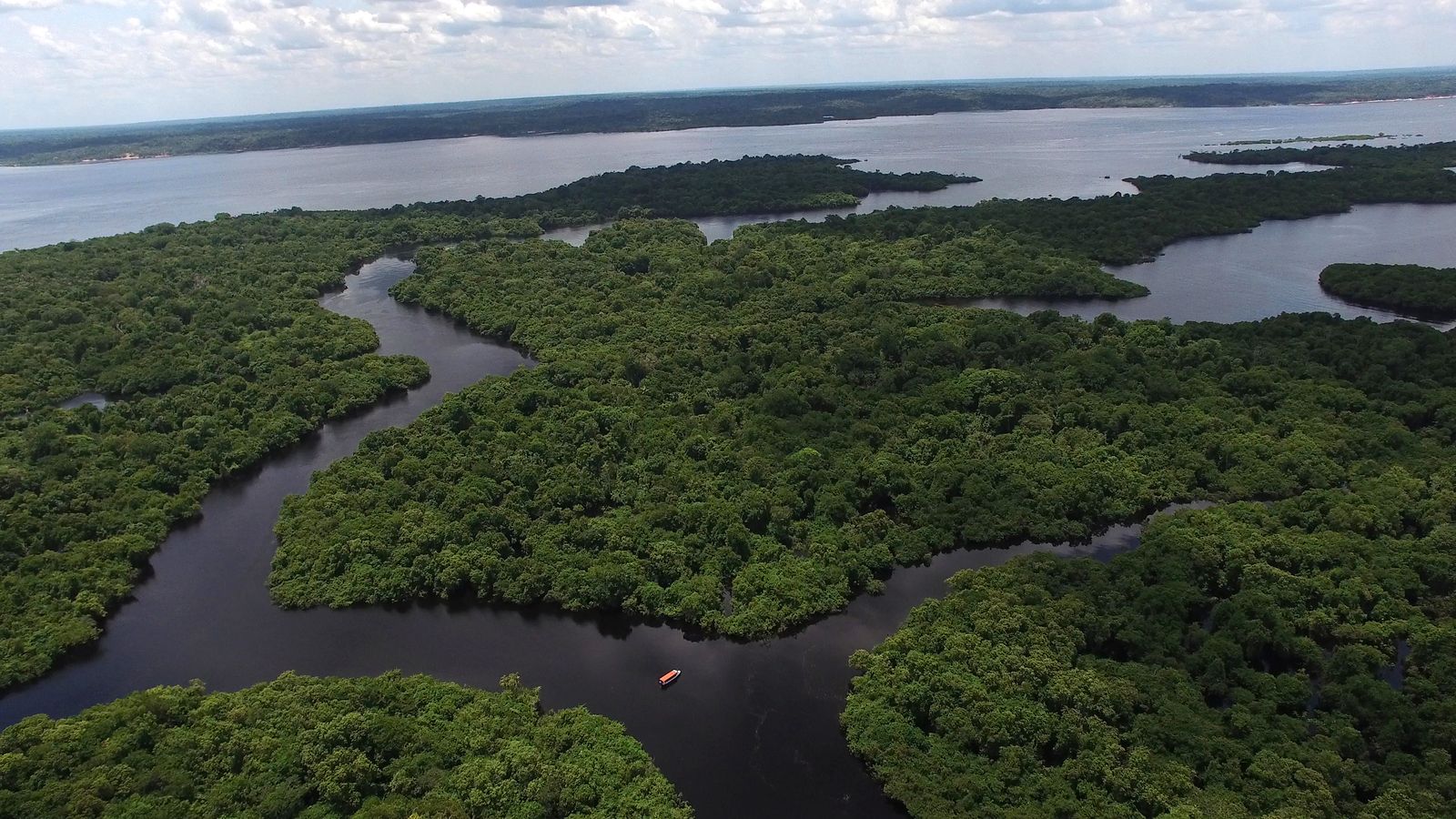
The facility is co-led by Brazil and Norway. Canada's release says that once fully operational it will protect more than one billion hectares of tropical forest across more than 70 countries, with conservation payments tied to verified results and at least 20% of payments going to Indigenous Peoples and local communities. Canada says its money is meant to help the fund reach the fundraising targets it needs to start operating, and that it counts towards Canada's goal of more than C$13 billion in climate support to developing countries by 2031.
What it means for your business
It is not an offset you can buy. The facility pays countries for forest that stays standing. It does not issue carbon credits to companies, so it changes nothing in your footprint or in how you treat offsets. The UK government's own guidance on buying carbon credits is due next spring; our post on that guidance covers what has been promised.
Deforestation is moving up the agenda. Governments putting money into standing forests is part of the same push as rules on what businesses buy. In the UK, Defra is consulting on due diligence for businesses with over £1 million turnover that use palm oil, soy, beef, cocoa, coffee or rubber; our post on the deforestation checks explains who it could cover.
Forest loss shows up in Scope 3. Emissions from land cleared to grow or graze what you buy sit in your Scope 3, category 1, under the GHG Protocol. Spend-based estimates don't show it on its own, which is why customers and lenders are starting to ask where commodities come from.
What to do now
- List the forest-risk commodities you buy. Beef, leather, soy (including in animal feed), palm oil, cocoa, coffee, rubber and timber are the usual ones. Note the supplier and the country of origin where you know it.
- Ask key suppliers how they check for deforestation. Our post on asking suppliers for carbon datahas wording you can adapt.
- Keep offsets separate. If you buy carbon credits, report them apart from your gross emissions, never netted off.