What happened
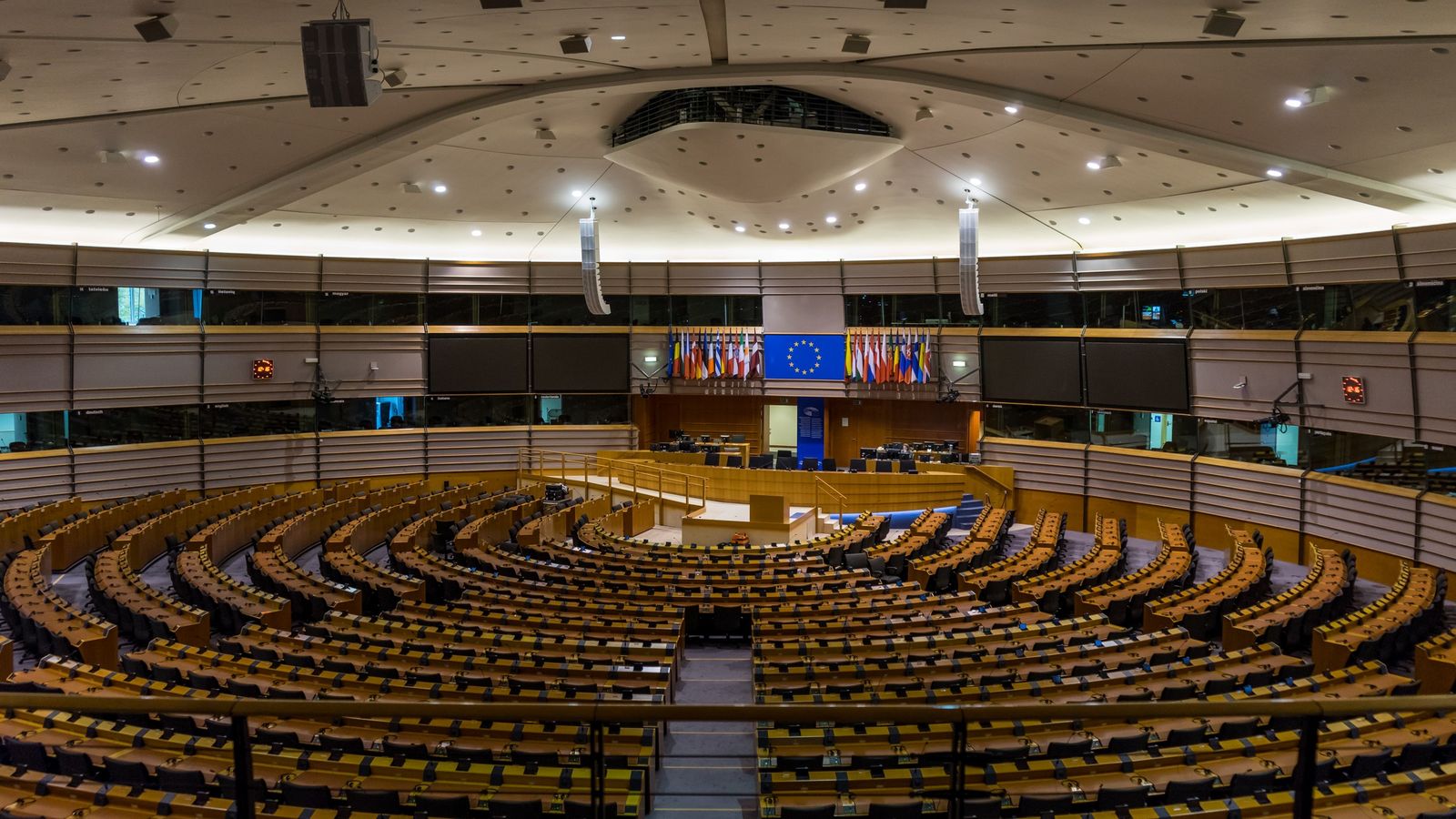
On 5 November 2026 the House of Commons Business, Innovation, Science and Trade Committee published its report on critical minerals, the metals and minerals such as lithium, cobalt, nickel, graphite and rare earths that go into batteries, wind turbines, electric vehicle motors, semiconductors and defence equipment. The inquiry was run by its Sub-Committee on Economic Security, Arms and Export Controls, which took 60 written submissions and held two evidence sessions. As Lisa O'Carroll reported for the Guardian and Matilda Cox reported for edie, the MPs say Britain is "dangerously" exposed to decisions taken in Beijing. The main points, checked against the report itself:
- Demand is rising fast, mostly because of net zero. The report quotes the government's own projections: UK demand for lithium rises from 2,525 tonnes in 2024 to 113,400 tonnes in 2030 (about 45 times), graphite 15 times, rare earths 16 times, cobalt 13 times and nickel 8 times. It says growth in demand has been driven mainly by clean energy technologies, which need more of these materials than the technologies they replace.
- China controls the refining. The committee says China's export controls in 2025 disrupted manufacturers well beyond their intended target, and it quotes analysis that Chinese processing will still handle more than half of most major battery metals in 2030.
- Ten tests, none passed. The report sets ten tests for the Government's strategy, from naming the capabilities it wants to protect to showing businesses are diversifying their supply, and says that today it "cannot be confident that the Government passes any single one".
- A new finance body. Its main recommendation is a Critical Minerals Finance Facility that brings the UK's public finance institutions together to offer grants, equity, debt, guarantees and offtake agreements to strategic mining, refining and recycling projects.
What it means for your business
Energy costs are part of the problem. The report calls mining and refining "low-margin energy-intensive industries" and says UK industrial electricity prices were the highest in the G7 in 2025. Power can be 35% of a mining operation's costs, refining graphite means heating it to 3,000°C for two to three weeks, and the operator of a UK nickel refinery told the MPs its electricity cost nearly 60% more than in France. The committee welcomes the Government's steps on energy costs but says other countries target support at their most important projects. If you run an energy-intensive site, our post on the British Industrial Competitiveness Scheme and the free eligibility check explain the support that exists today; you may qualify, and the rules are on gov.uk.
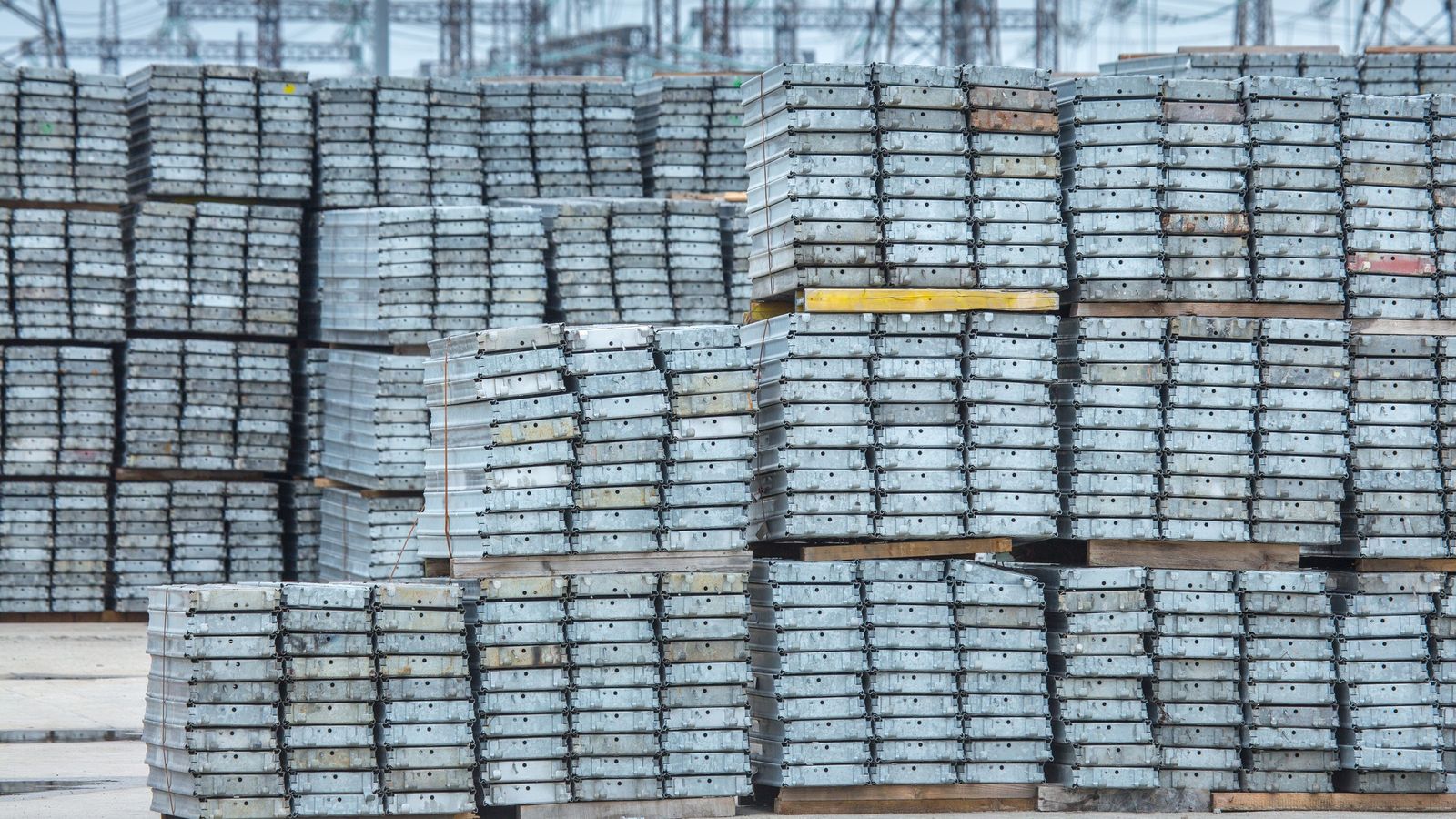
Most of the UK's scrap metal leaves the country. The report says 80% of UK metal products classed as waste are exported, including copper waste and scrap worth £1.06 billion and aluminium waste and scrap worth over £840 million. The government's target is for 20% of UK critical mineral demand to be met by recycling by 2035, but the Circular Economy Growth Plan meant to deliver it, due in autumn 2025, had not been published by September 2026. The MPs want it out "as a matter of urgency", with better trade codes for scrap and more sorting capacity.
Public sector suppliers may face sourcing questions. The committee recommends that public contracts favour firms that can show their raw materials come from domestic and allied sources, and that suppliers on large contracts must cut their exposure to high-risk countries. These are recommendations, not rules, and the Government has not yet responded. Firms that already answer carbon questions in tenders, such as a carbon reduction plan, would be the ones asked.
A worked example: recycled metal and your Scope 3
Recycling is also a carbon question. Take an illustrative business that buys 10 tonnes of aluminium cans and foil a year. On the 2026 UK government material use factors:
- Made from new (primary) aluminium: 9,114 kg CO2e per tonne, so 91.14 tonnes CO2e a year.
- Made from recycled (closed-loop) aluminium: 994 kg CO2e per tonne, so 9.94 tonnes CO2e a year.
- The difference is 81.20 tonnes CO2e, about 89% less, in the business's Scope 3 Category 1 (purchased goods).
On the waste side, sending 1 tonne of scrap metal to a recycler counts 4.65358 kg CO2e in Scope 3 Category 5, against 9.00687 kg to landfill. Those waste factors only cover taking the waste away, so the bigger carbon benefit of recycling shows up in the footprint of whoever buys the recycled metal in place of new metal.
What to do now
- Know which of your products and parts depend on these minerals. Batteries, motors, electronics and anything with copper wiring are the usual places. The report's tenth test is whether businesses are reducing their dependence on vulnerable supply chains.
- Ask suppliers about recycled content. It is the easiest number to get, and it changes your Scope 3. Our guide to the 15 Scope 3 categories shows where purchased materials sit.
- Get your scrap weighed and recorded. Ask your waste contractor for tonnes by material and treatment, so your waste emissions are right and you know what you send for recycling.
- Watch for the Government's response and the Circular Economy Growth Plan. We will cover both when they are published.