What happened
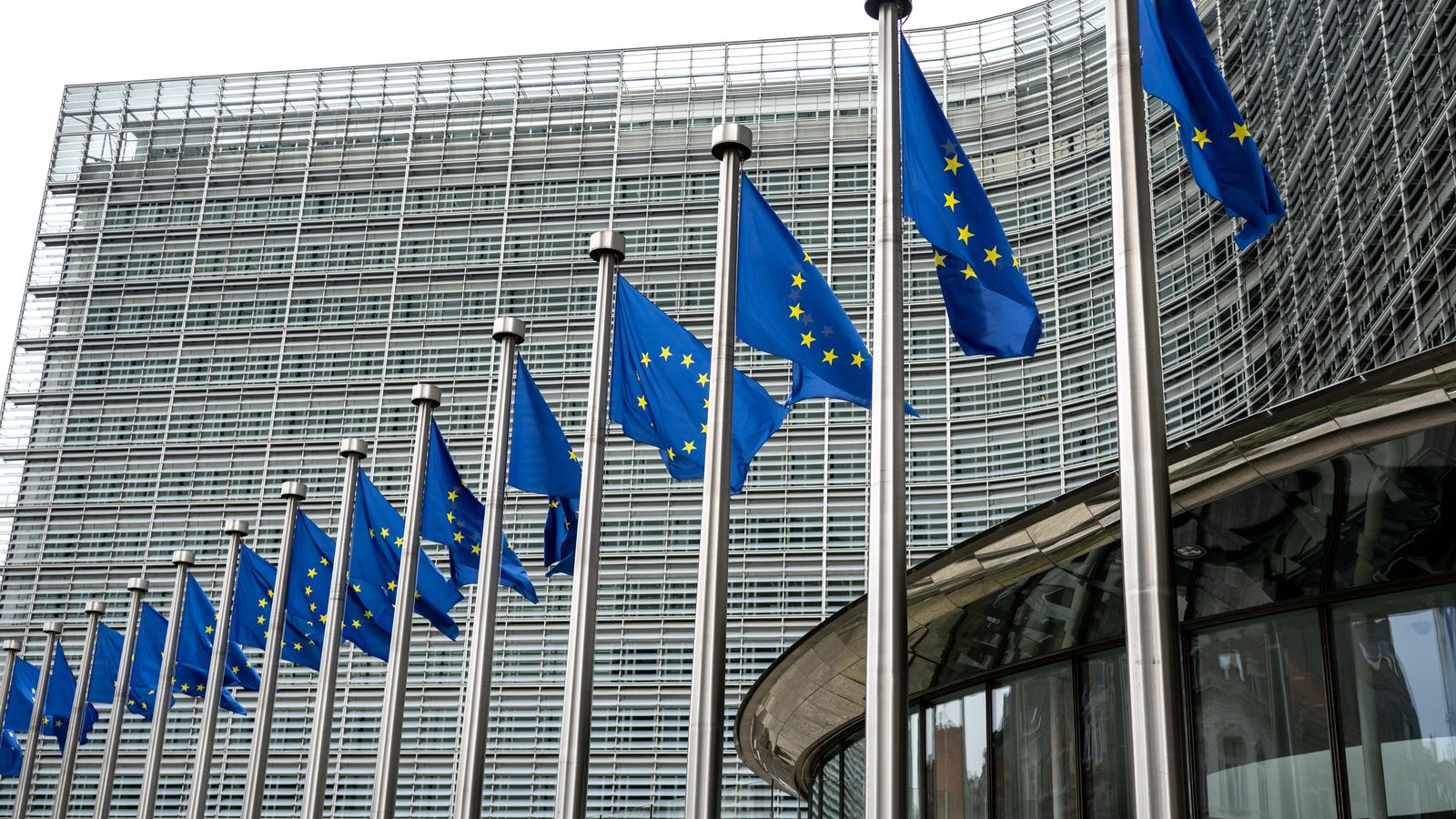
As Faisal Islam reported for BBC News on 3 November 2026, the UK and EU have agreed a draft deal to remove post-Brexit checks on food and farm trade (the "SPS" agreement), and similar draft texts for a deal on emissions trading and a youth travel and work scheme have been circulated to EU governments alongside it. The BBC says EU ambassadors will discuss the drafts at a meeting on Wednesday, ahead of a UK-EU summit later this month. It also reports that a plan to reconnect electricity markets is likely to be pushed to next year.
Neither government has published the drafts. What is on the public record: in the Common Understanding from the May 2025 summit, the UK and EU agreed to work towards linking their emissions trading schemes, and said a link should give mutual exemptions from each other's carbon border adjustment mechanisms (CBAMs). The King's Speech on 13 May 2026 announced a European Partnership Bill "to strengthen ties with the European Union". The BBC reports that the Bill will also allow the alignment needed to link the two emissions trading schemes and save UK exporters from paying the EU's carbon border tax.
This is the next step after POLITICO reported on 7 October that a linking deal had been reached, which we covered in our guide to the EU and UK CBAM. As of today, HM Treasury and HMRC's CBAM policy summary still says no jurisdiction is exempt from the UK CBAM.
What it means for your business
If you export to the EU: the EU CBAM has applied since 1 January 2026 to steel, aluminium, cement, fertilisers, hydrogen and electricity. Your EU customer pays it, and asks you for verified emissions per tonne to keep the bill down. A linked scheme with an exemption would take UK goods out of that, but only once it is in force.
If you import from the EU: the UK CBAM starts on 1 January 2027 for the same goods, except electricity. Without an exemption, EU goods are treated like any others, though a carbon price paid under the EU ETS can count towards carbon price relief.
If you are in the UK ETS: linking would bring the UK and EU carbon prices together over time. The terms, including how and when, are in the texts nobody has seen yet.
A worked example: EU steel into the UK in early 2027
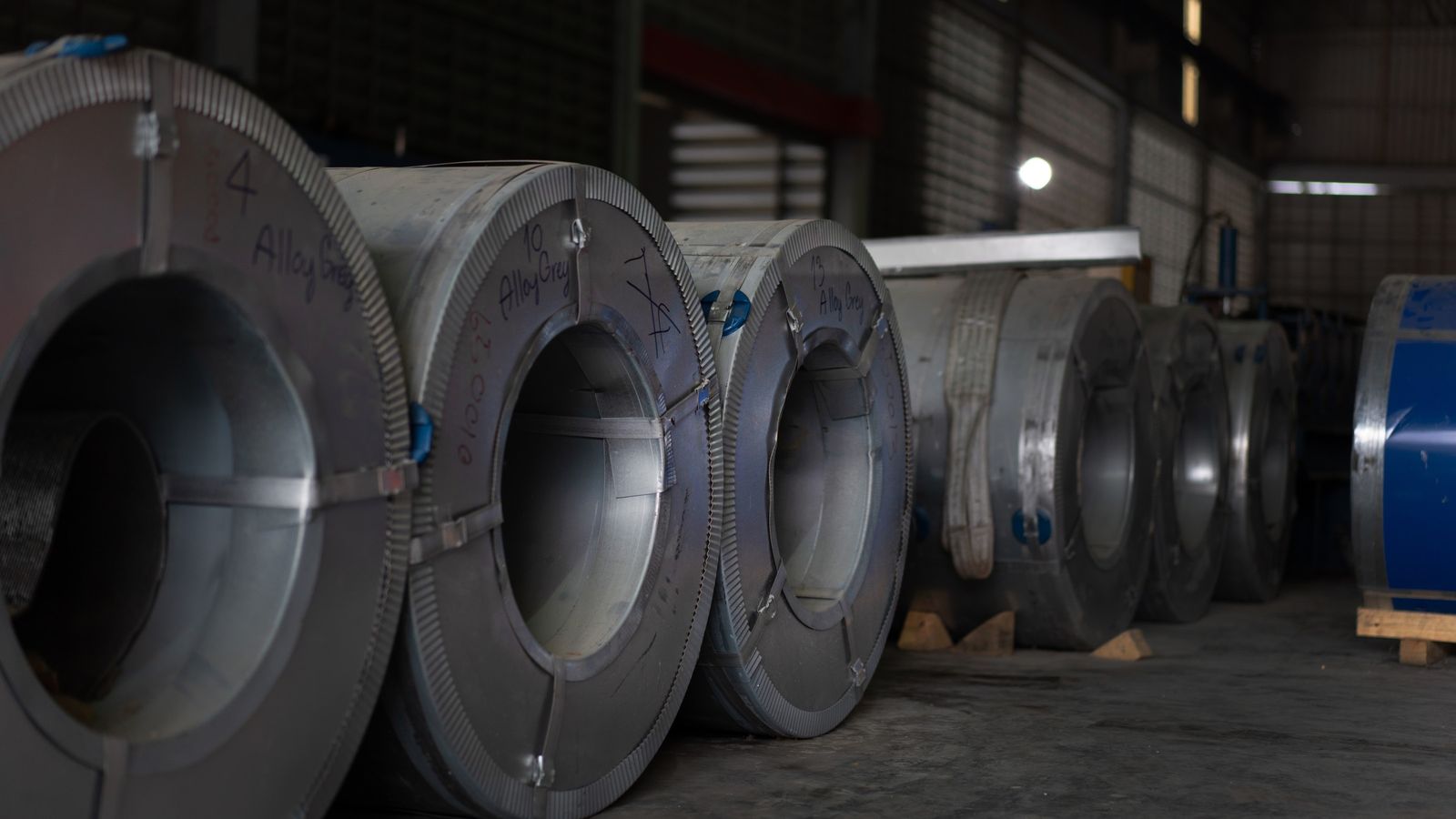
Take a UK business importing 500 tonnes of hot-rolled steel coil (commodity code 7208 36 00) from an EU mill between January and March 2027, using HMRC's default value of 3.24 tonnes CO2e per tonne. At £9.69 per tonne of CO2e for iron and steel (illustrative rate):
- Embedded emissions: 500 × 3.24 = 1,620 tonnes CO2e.
- UK CBAM before relief: 1,620 × £9.69 = £15,697.80.
- If the mill shows a verified EU carbon price of £40.00 per tonne CO2e (an example figure), relief takes off £15,697.80, leaving £0.00. Relief can never take the charge below zero.
The UK's illustrative steel rate is far below an EU carbon price, so for EU goods with a verified carbon price, relief can wipe out the tax. Relief still needs a carbon pricing verification form checked by an accredited verifier, and the goods still go on the CBAM return. So for EU goods the gain from an exemption may be less about the tax than the paperwork. The rates for January to March 2027 are illustrative until HMRC publishes the official ones before the end of 2026.
What to do now
- Plan on both CBAMs applying as they stand. Nothing changes until a link is signed and in force.
- Exporters: keep sending verified emissions per tonne. Your EU customers need them for every shipment, and good data keeps their bill, and your price, down.
- Importers: ask EU suppliers for actual emissions and proof of carbon price paid. Both reduce a UK CBAM bill from 1 January 2027. Our guide to working out a UK CBAM bill shows the steps.
- Watch the summit. If the texts are published, look for the start date, which goods any exemption covers, and what happens to CBAM returns already due.