What happened
The Department for Transport published final 2025 figures for its two low carbon fuel schemes on 19 November 2026: the Sustainable Aviation Fuel (SAF) Mandate, which started on 1 January 2025, and the Renewable Transport Fuel Obligation (RTFO) for road fuel and machinery.
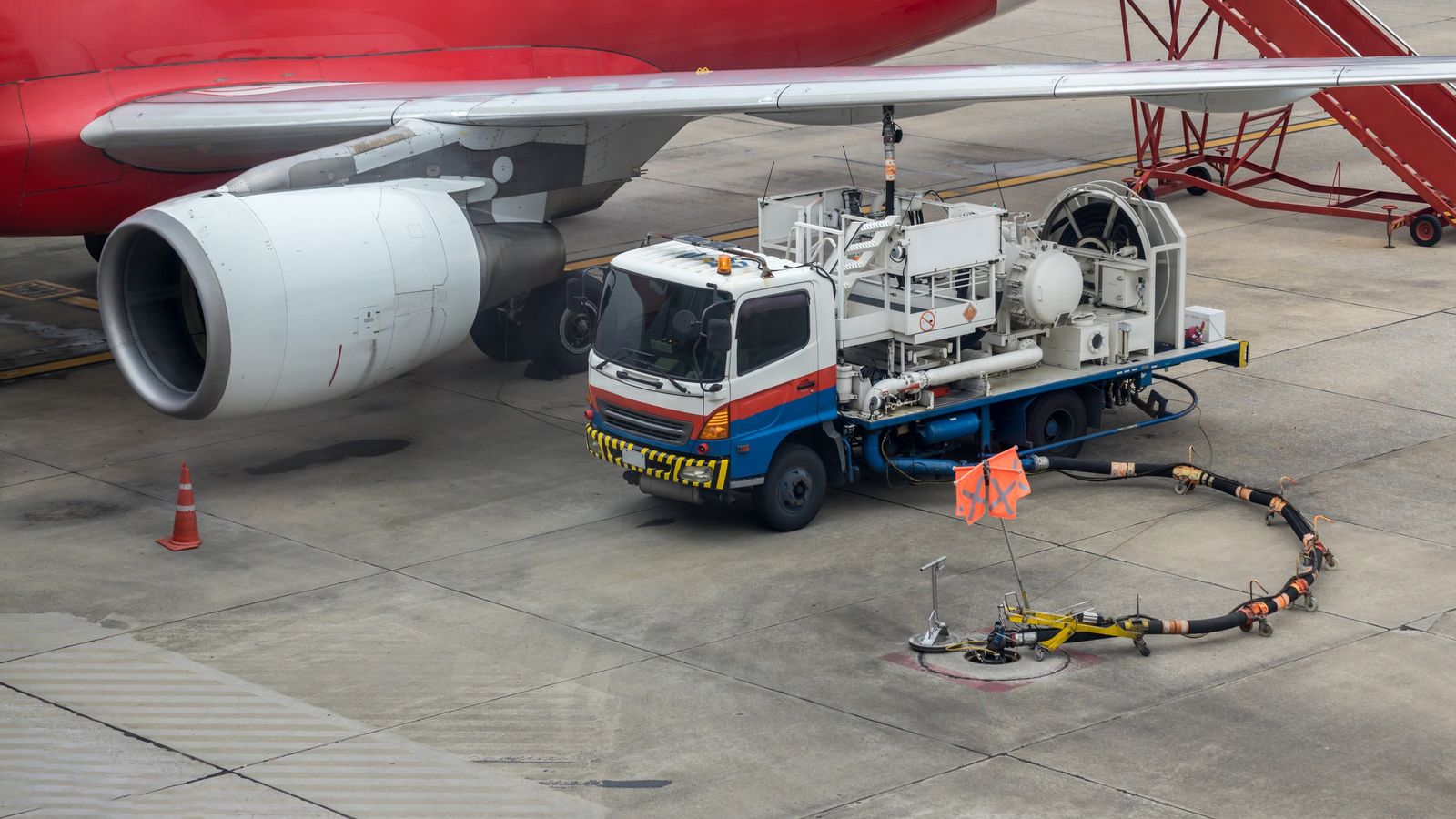
- The aviation target was met:320 million litres of SAF were certified, 2.2% of all UK aviation fuel, against an obligation of 2% of fossil aviation fuel. All 14 solvent suppliers met it with SAF and none paid the buy-out. A further 78 million litres were reported as SAF but not certified.
- Savings: certified SAF saved 756 thousand tonnes CO2e, with an average lifecycle saving of 78% against fossil jet fuel.
- Where it came from: all of it was made by the HEFA route from waste oils and fats, and 99% from used cooking oil. 68% of the feedstock came from China and 3% from the UK.
- Road fuel savings fell: the RTFO saved 6,751 thousand tonnes CO2e in 2025 (excluding indirect land use change), 14% less than in 2024. DfT puts that mainly down to less low carbon fuel being supplied, because suppliers used certificates carried over from 2024 and more double-counting waste feedstocks. Low carbon fuels were 7% of road and machinery fuel.
- Less HVO: verified HVO fell from 784 million to 570 million litres equivalent, a fall of more than a quarter.
What it means for your business
Our sums: what a litre of SAF saved. 756 thousand tonnes over 320 million litres is about 2.36 kg CO2e saved per litre. The DESNZ 2026 factors put burning a litre of fossil jet fuel at 2.54269 kg CO2e, and producing and delivering it at a further 0.52817 kg, 3.07 kg in all. The saving works out at about 77% of that, close to DfT's own 78%. DfT notes the scheme uses its own fossil comparator, so treat our check as a rough one.
Your flight factors stay the same. A business that flies staff on 20 return short-haul trips of 1,500 km each way in economy reports 60,000 passenger km, which is 7.55 tonnes CO2e on the DESNZ 2026 factor with the uplift for high-altitude effects. The government's flight factors are averages for UK aviation, so a 2% blend across the market doesn't give your ticket its own lower figure. Our post on flight factors and the uplift explains the choice.
Forecourt diesel already includes biofuel. A van fleet using 10,000 litres of forecourt diesel reports 25.84 tonnes CO2e in Scope 1 at 2.58354 kg per litre: the DESNZ factor assumes the average biofuel blend, so the RTFO is already in it. If you buy pure HVO for plant or generators, it has its own factor; our HVO guide shows how to report it.
What to do now
- Keep using the government factors for flights and forecourt fuel, and say in your report which year's set you used.
- If you're offered SAF on a booking, ask what certificate backs it and keep the evidence. Report it as a note beside your flight emissions, not as a deduction.
- If you buy HVO, ask your supplier for its proof of sustainability and feedstock, as the government figures show most of it comes from used cooking oil.