What happened
Ofgem announced on 25 November 2026 that the energy price cap for 1 January to 31 March 2027 will be £2,166 a year for a typical household that uses electricity and gas and pays by Direct Debit, a 26% rise on the £1,723 cap that applies until the end of December. It is the figure the consultancy Cornwall Insight had forecast a week earlier, which we covered on 18 November. As Kevin Peachey reported for BBC News, Ofgem said the rise was driven entirely by higher wholesale costs, mainly because of the war with Iran, and it is the largest since prices surged after Russia invaded Ukraine.
The main points, from Ofgem's own announcement:
- Electricity: 32.69p per kWh on average, up from 26.32p (24% more), with a daily standing charge of 54.77p. There is no VAT on household electricity from 1 October 2026 to 30 June 2027.
- Gas:10.96p per kWh, up from 7.97p (38% more), with a daily standing charge of 29.65p, including 5% VAT.
- Support: the government confirmed on 24 November that up to 20 million households in England will get a £100 Household Energy Payment, with councils paying it from 4 January. Ofgem says it is still working on options to remove standing charges from gas bills, which the government wants in 2027 or as soon as possible afterwards.
- Next: the cap for April to June 2027 will be published by 23 February 2027.
Gas rose much faster than electricity. That matters for carbon, because for most homes and many businesses gas is the bigger part of the footprint.
What it means for your business
The cap is for homes, but the cause is the same for businesses. Business tariffs have no cap; they are priced off the same wholesale gas. Ofgem says suppliers and network operators must step in early to support households and businesses that struggle to pay this winter. If your contract renews in the next few months, the free business electricity and gas prices tool shows what businesses have actually paid each quarter.
Your carbon doesn't follow the price. A kWh of gas burned in a boiler is 0.18231 kg CO2e and a kWh of electricity 0.13096 kg on the 2026 government factors, in January as in October. The typical home behind Ofgem's figure uses 2,500 kWh of electricity and 9,500 kWh of gas a year (at the new rates that adds up to £2,167, our check), producing 0.33 tonnes CO2e from electricity and 1.73 tonnes from gas, 2.06 tonnes in all. If you estimate energy emissions from what you spend, the rise adds about a quarter to your footprint on paper with no change in what you burn.
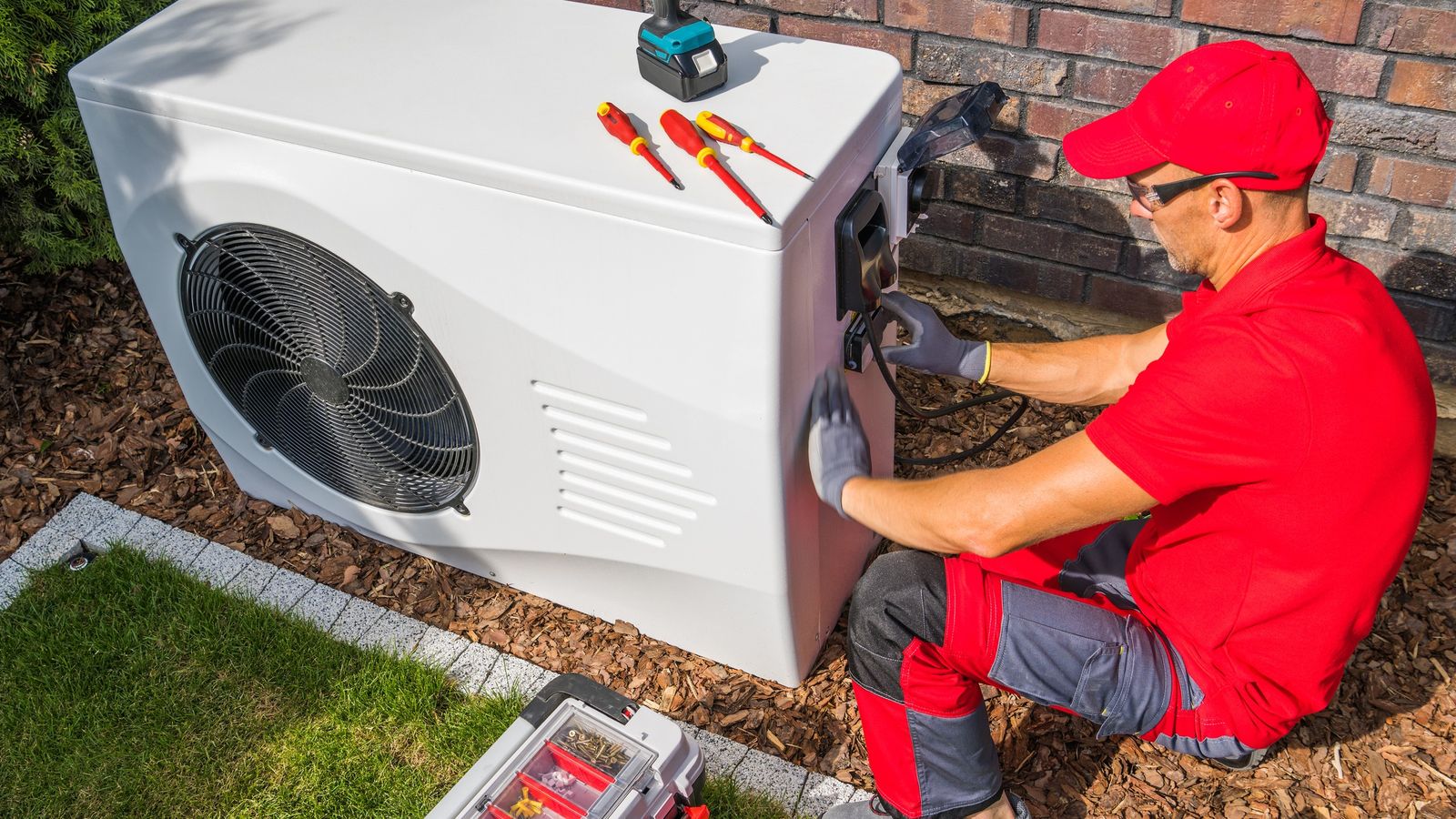
Our sum: what a tonne of carbon costs now. Dividing Ofgem's unit rates by the government factors, every tonne of CO2e from household gas costs about £601 in unit charges from January, up from £437, and every tonne from electricity about £2,496, up from £2,010. Gas is still far cheaper per tonne than electricity, which is why switching heat from a gas boiler to an efficient heat pump cuts carbon faster than it cuts the bill, but the gap has narrowed.
Staff working from home. Their heating and equipment can be your optional Scope 3 (category 7). On the 2026 government factor of 0.32393 kg CO2e per hour worked from home, one employee at home three days a week for 46 weeks (1,035 hours) adds 0.34 tonnes CO2e a year. The factor is based on energy use, so the cap rise doesn't change it. Our guide to homeworking emissions explains how to count it.
What to do now
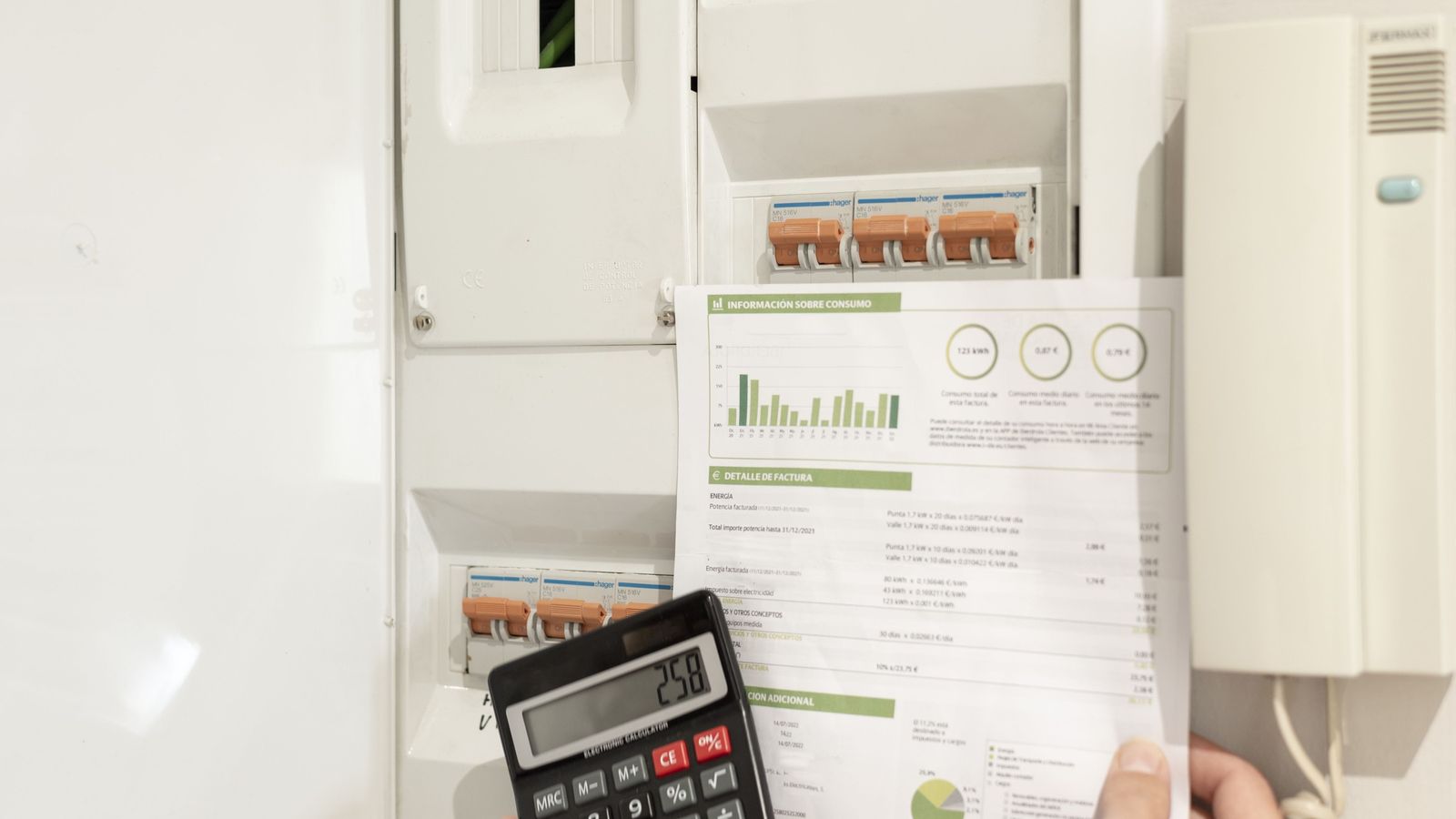
- Record energy in kWh from bills or meter reads, not pounds, so the price rise doesn't inflate your footprint.
- Check when your business contract ends and what rate you are on, and talk to your supplier early if winter bills will be hard to pay.
- Look at gas first. It rose fastest and is usually the larger share of emissions: heating times, setpoints and draughts are the quickest wins on both cost and carbon.