What happened
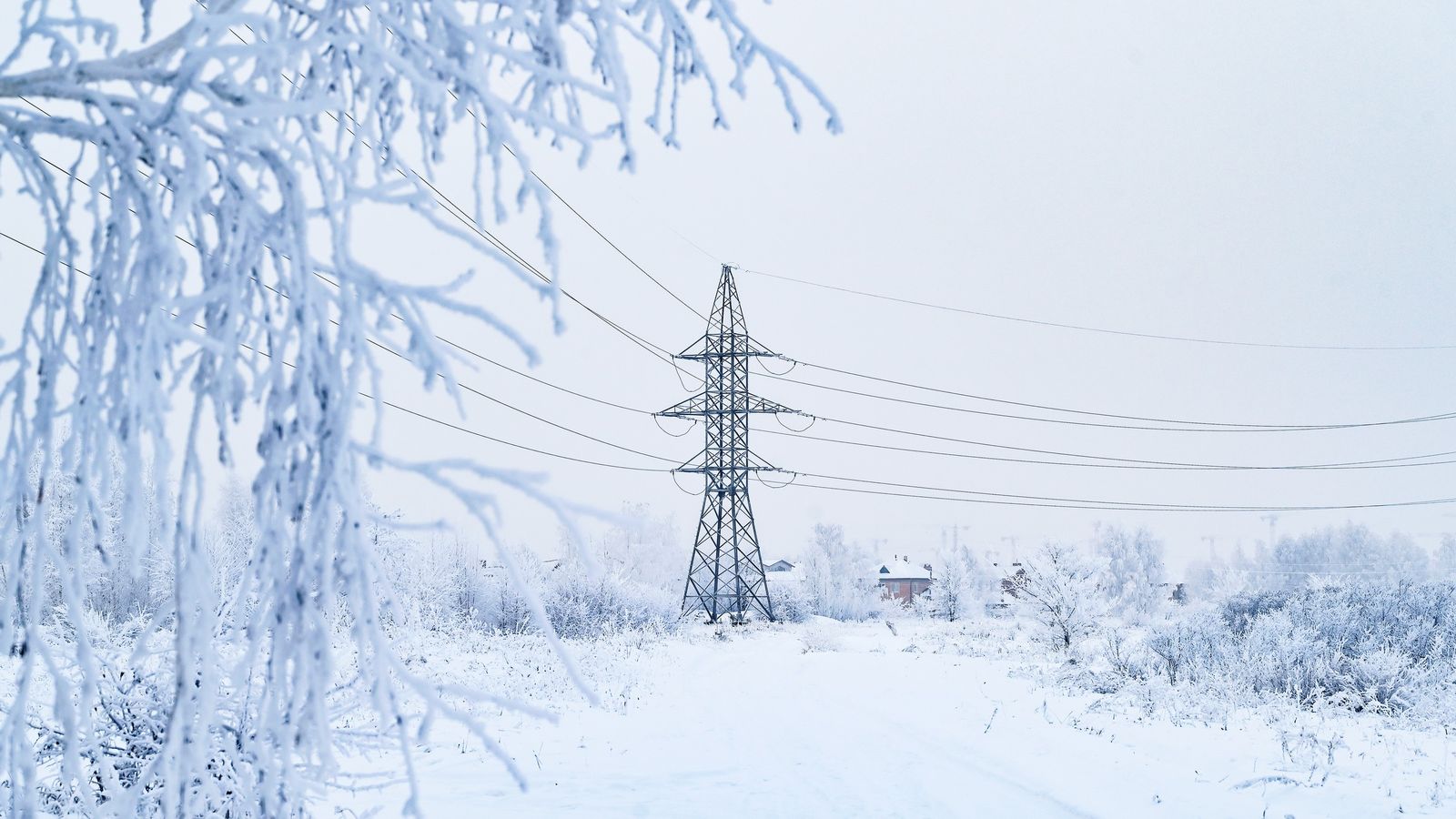
The UK Health Security Agency has issued a yellow cold-health alert for the North West, the North East and Yorkshire and the Humber, running from 9pm on Sunday 15 November until 9am on Thursday 19 November. It follows the first alert of the winter, for the North West and West Midlands, which ran from 12 to 14 November. Yellow alerts are for cold that is unlikely to affect most people but could affect those who are most vulnerable. As Sky News reported, the new alerts come after temperatures dropped to -6C.
What the cold did to the grid
You might expect a cold morning to mean more gas on the grid. This morning it meant the opposite, because the wind was blowing. Here is Great Britain's electricity at 07:00 to 07:30 today against the same half hour a week earlier, from NESO's Carbon Intensity API:
- Sunday 15 November 2026: 125 g CO2 per kWh. Wind 28.6%, gas 22.1%, imports 21.8%, nuclear 17.5%.
- Sunday 8 November 2026: 268 g CO2 per kWh. Gas 64.1%, wind 1.7%, imports 4.8%, nuclear 17.7%.
- Across the day: 129 g on average so far today (to 3pm), against 260 g over the whole of 8 November.
Our worked example: a site using 500 kWh of electricity in a day was responsible for about 130 kg CO2 on 8 November and about 65 kg today at those averages. That still week was the one in which NESO issued an electricity margin notice for low wind.
Your carbon report doesn't see any of this. A location-based report uses the government's 2026 annual average (0.13096 kg CO2e per kWh), so the same 500 kWh reports as 65 kg CO2e on either day. The real-time figures matter for timing: using power in windy hours cuts real emissions, even though the annual report won't show it.
What it means for your business
The cold lands on the gas bill. For most businesses, a cold spell shows up as heating: gas or oil burned on site, which is Scope 1. An extra 3,000 kWh of gas in a cold week adds about 547 kg CO2e at the 2026 factor (0.18231 kg per kWh), and that factor doesn't change with the weather.
Weather explains year-on-year changes. A colder winter can push your gas use up even when nothing else changed. Note it in your report so readers can tell weather from performance.
What to do now
- Read your meters this week. Take a gas and electricity reading on Monday and again on Thursday, when the alert ends, so you know what a cold spell costs you in kWh.
- Check heating times and set points. Heating empty buildings overnight or at weekends is the most common waste in a cold snap.
- Look after staff and visitors. UKHSA's alert page links to its guidance for people at higher risk from the cold.
- Turn kWh into carbon. The free kWh to CO2e calculator uses the government factors.