What happened
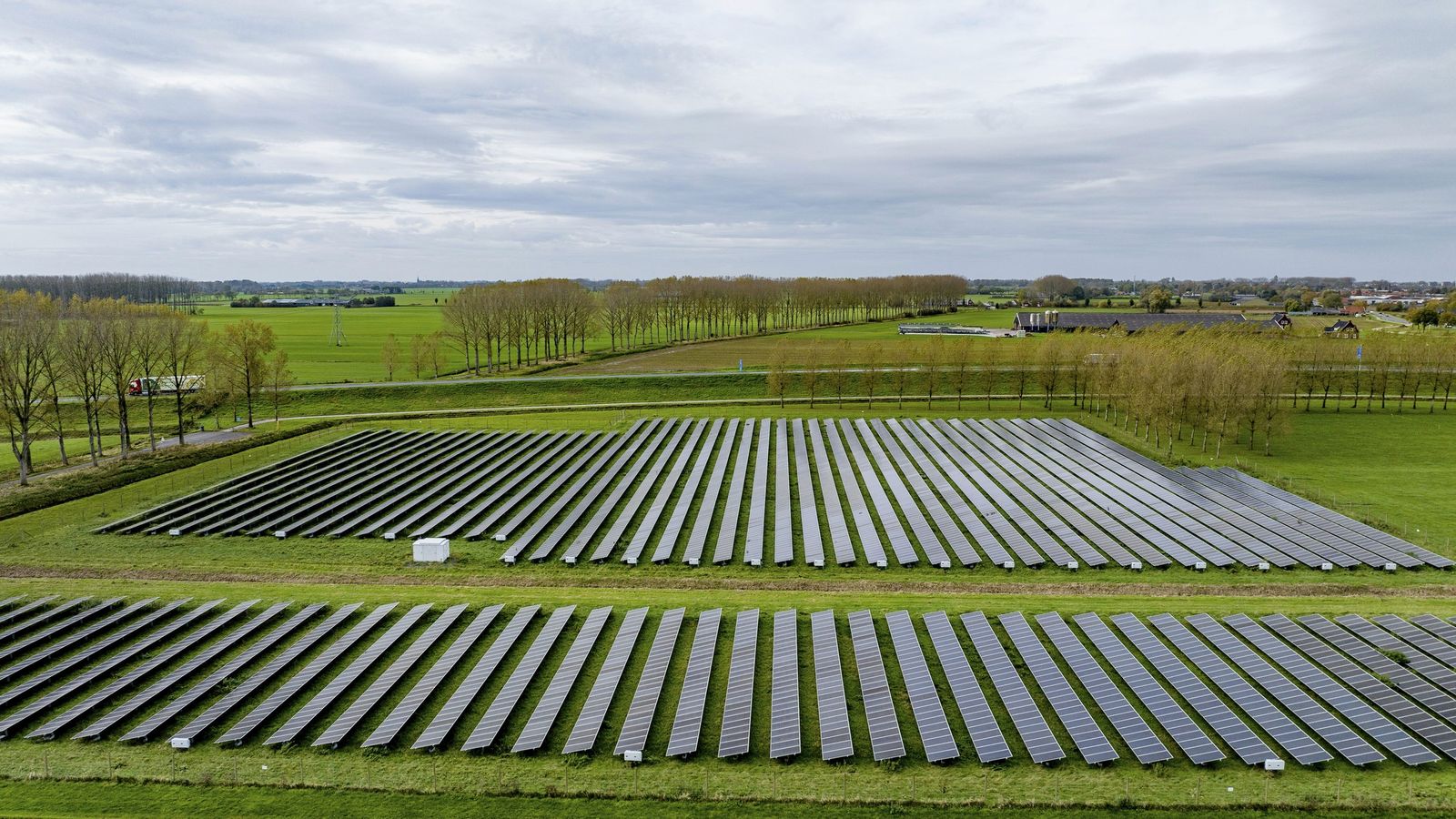
On Tuesday 10 November 2026, Baroness Curran, a minister at the Department for Energy Security and Net Zero, refused development consent for the Botley West Solar Farm on behalf of the Energy Secretary, according to the Planning Inspectorate's project page. The scheme, put forward by Photovolt Development Partners on behalf of SolarFive Ltd, would have built ground-mounted solar panels with a capacity of 840 MW across land in West Oxfordshire, Cherwell and the Vale of White Horse, much of it close to Blenheim Palace.
The decision letter follows the examining inspectors, who recommended refusal in February 2026. The minister found there would be substantial harm to the Green Belt, harm to heritage assets including the Blenheim Palace World Heritage Site, significant adverse effects on landscape and views, residual risks to aviation safety that she called "an unacceptable risk to public safety", and problems with how the applicant assessed and would restore the best and most versatile farmland. Weighed together, she concluded the harm would outweigh the benefits.
The carbon the scheme would have saved
The letter does not dispute the climate case. It records the applicant's estimate that the farm would cut greenhouse gas emissions by 6,545,595 tonnes CO2e over its lifetime, measured against today's average grid electricity, and the minister agreed that the grid average is the right baseline. She gave the need for the scheme "substantial positive weight". The applicant had said the farm would supply the equivalent of about 275,000 homes, down from 330,000 after it cut the panel area during the decision process, and that a refusal would remove 840 MW from the pipeline of projects due to connect before 2030.
National energy policy starts from a presumption in favour of consent for energy projects of this size, and the minister accepted that Botley West counts as "critical national priority" low carbon infrastructure. But she found the applicant had not properly shown how it would avoid or reduce harm to the landscape, heritage, wildlife, mineral reserves and aviation, so the scheme could not rely on the extra policy weight that status brings. The applicant can challenge the decision by judicial review within 6 weeks, or come back with a revised application.
What it means for your business
Nothing changes in your carbon report this year. The 2026 government factor for UK grid electricity is 0.13096 kg CO2e per kWh, and it is fixed for the reporting year. What decisions like this affect is the pace at which that factor falls in future years, and the supply of new solar projects for businesses buying renewable power through a power purchase agreement (PPA).
Solar you put on your own building doesn't need a national planning decision, and it cuts your location-based Scope 2 directly. An illustrative business using 100,000 kWh of grid electricity a year reports 13.10 tonnes CO2e of location-based Scope 2 under the 2026 factors. If panels on its roof supply 30,000 kWh that it uses on site, its grid use drops to 70,000 kWh and its Scope 2 to 9.17 tonnes, a cut of 3.93 tonnes. Power you export to the grid doesn't reduce your figure; our guide to rooftop solar and Scope 2 explains why.
If you were counting on a PPA from a particular new solar farm, a refusal like this can delay or end the supply. Contracts with an existing, operating generator carry less of that risk.
What to do now
- Check your roof first. Ask an installer for a yield estimate and how much of the output you would use yourself during working hours. Smaller rooftop systems on most business buildings may be permitted development, but check with your local council before you commit.
- Ask about project risk in any PPA. If a supplier is offering power from a farm not yet built, ask what happens to your contract if it is refused or delayed.
- Keep using the official factor. Report grid electricity with the government factor for your reporting year, and show any rooftop solar you use on site as a reduction in grid kWh.