What happened
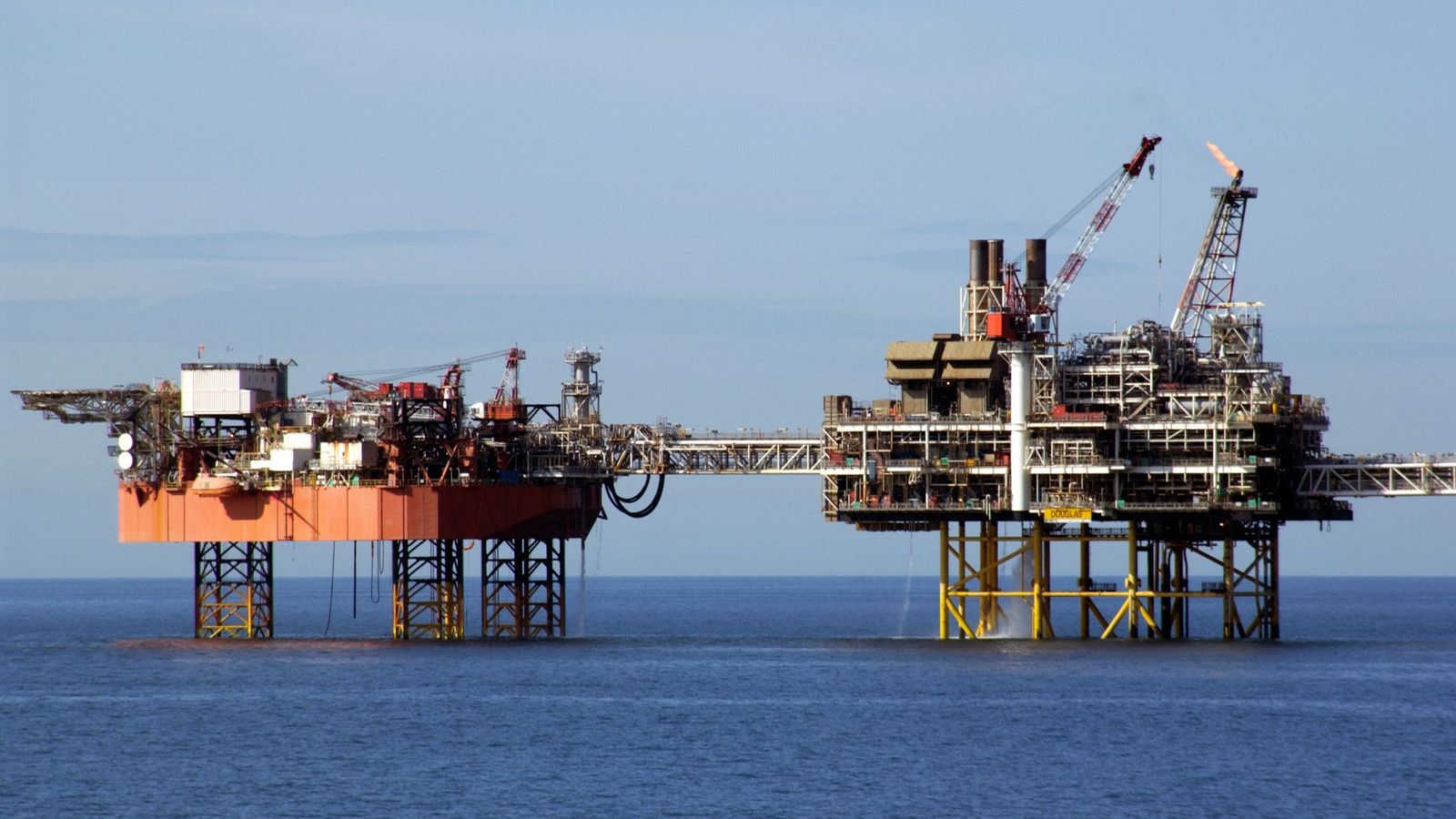
Offshore Energies UK (OEUK), the trade body for the UK's offshore energy industry, published Environmental Insight 2026 on 18 November 2026. It covers the UK Continental Shelf in 2025 and compares it with earlier years back to 2018.
- Emissions: OEUK says total greenhouse gas emissions (carbon dioxide, methane and nitrous oxide) were 38% lower than in 2018.
- Against the target: the North Sea Transition Deal, agreed between government and industry, aims for cuts of 10% by 2025, 25% by 2027 and 50% by 2030, all against 2018.
- Other discharges: produced water, dispersed oil and chemical volumes all fell, and unintentional oil and chemical releases were down 20%.
As Lucy King reported for Energy Live News, the report puts 2025 emissions at an estimated 11.5 million tonnes CO2e, down 7% on the year, and shows drill cuttings discharged to sea rising 34%. Mark Wilson, OEUK's energy operations director, said: "But there is more to do." Energy Live News gave the fall since 2018 as 30%; OEUK's own summary says 38%. We couldn't open the full report to check which, so we quote OEUK's figure.
What it means for your business
Production emissions are part of your gas footprint. When you report gas, Scope 1 covers burning it on site. The government's well-to-tank factor, reported in Scope 3, covers getting it to you: extraction, processing and transport, which is where offshore production emissions sit, alongside imported gas.
Our sums for 100,000 kWh of mains gas a year, on the DESNZ 2026 factors:
| Line | Factor | tonnes CO2e |
|---|---|---|
| Scope 1, burning the gas | 0.18231 kg per kWh | 18.23 |
| Scope 3, well-to-tank | 0.03021 kg per kWh | 3.02 |
Well-to-tank is about 14% of the total for 100,000 kWh. Lower emissions offshore feed into that figure over time, but DESNZ sets the factor each year from its own sources, so your report changes only when the factors do.
What to do now
- Report the well-to-tank line for gas in Scope 3 if you don't already. It is a small extra step with the same kWh figure.
- Use the factor year that matches your reporting period, and say which set you used.
- Treat trade body figures as context. OEUK's report is useful background, but your report should use the government conversion factors.