What happened
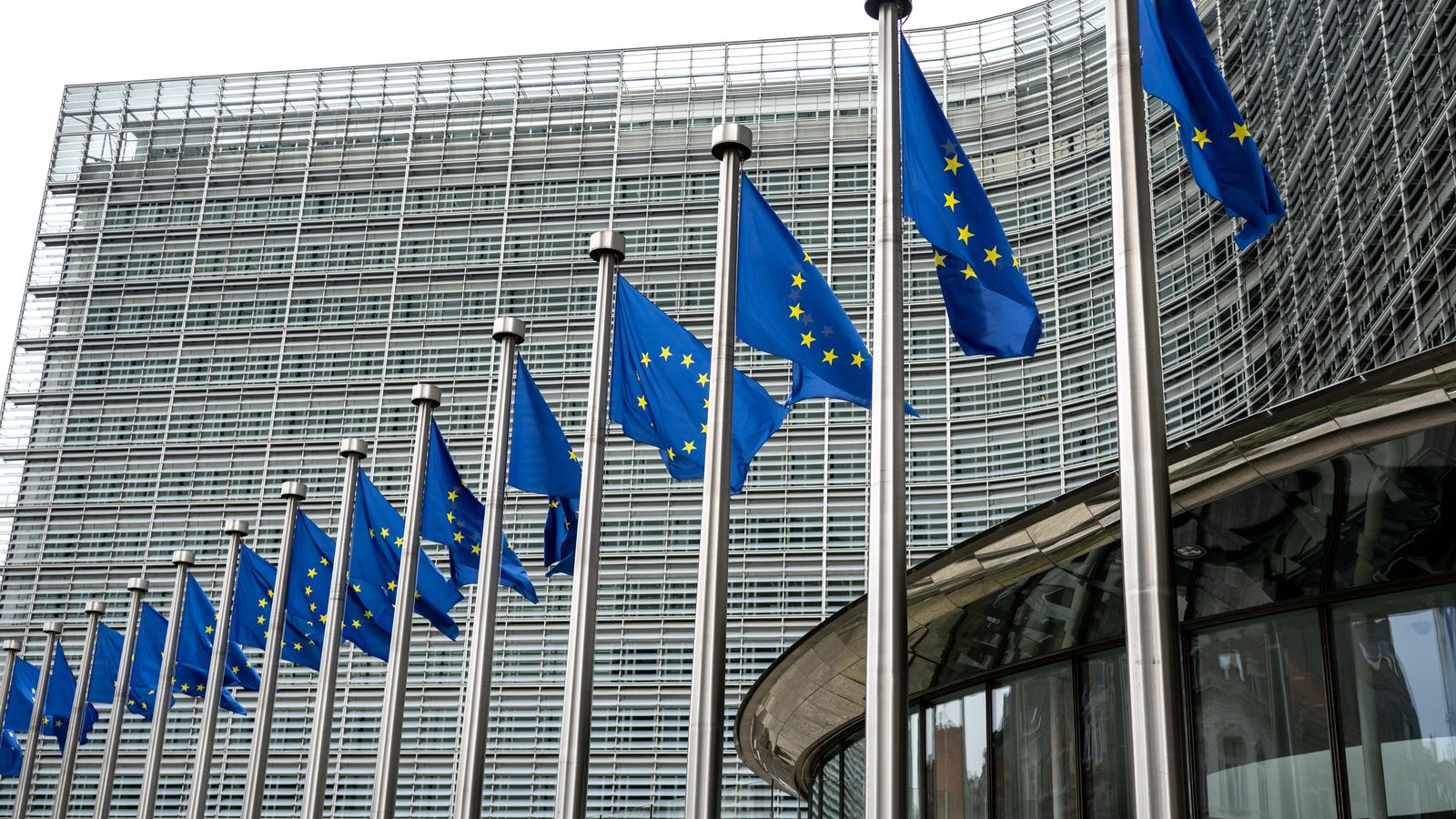
On 9 November 2026, as COP31 opened, the European Commission published its 2026 Climate Action Progress Report and its 2026 Carbon Market Report. In its press release the Commission says EU net greenhouse gas emissions fell by 1.6% in 2025 against 2024, on provisional data. Emissions are now 39% below 1990 levels, while the EU economy has grown by 74% over the same period.
Emissions covered by the EU Emissions Trading System (EU ETS) fell by around 2%. Emissions from industrial installations fell by 3.3%, mostly in iron and steel, cement and chemicals. Maritime emissions fell by 4%, while aviation emissions grew by 0.2%. Emissions in the sectors under the Effort Sharing Regulation (domestic transport, buildings, agriculture and waste) were broadly stable, and the land carbon sink improved, with net removals up around 11%.
The Commission says the slower pace in 2025 means efforts need to accelerate in the second half of the decade. Effort Sharing emissions are expected to fall by around 38.5% by 2030 against 2005, just short of the 40% target, and the Commission will ask nine countries (Austria, Croatia, Cyprus, Germany, Italy, Ireland, Lithuania, Malta and Sweden) for corrective action plans. ETS revenues reached €43.2 billion in 2025, up 11%, of which €23.9 billion went straight to member states for decarbonisation.
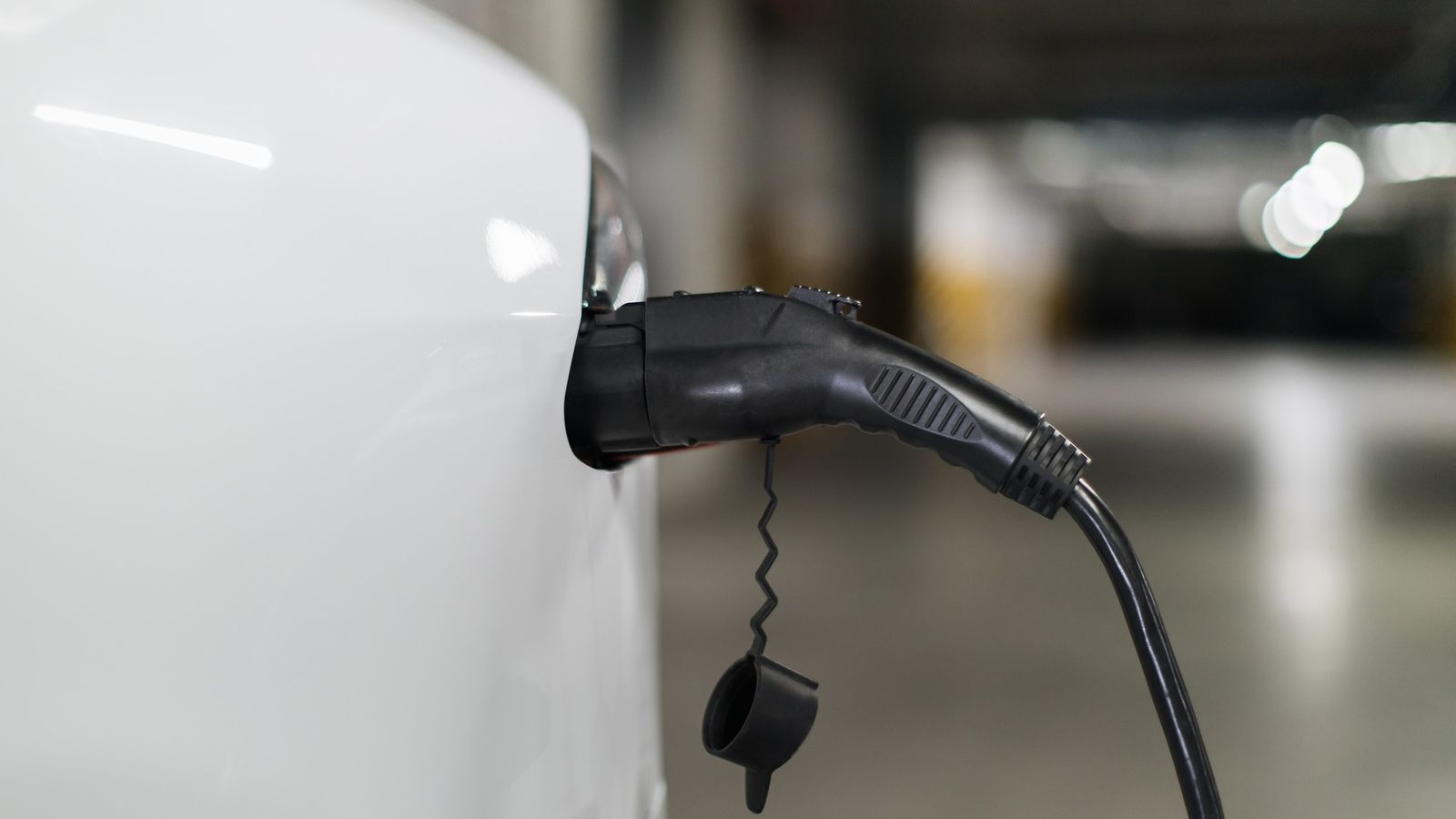
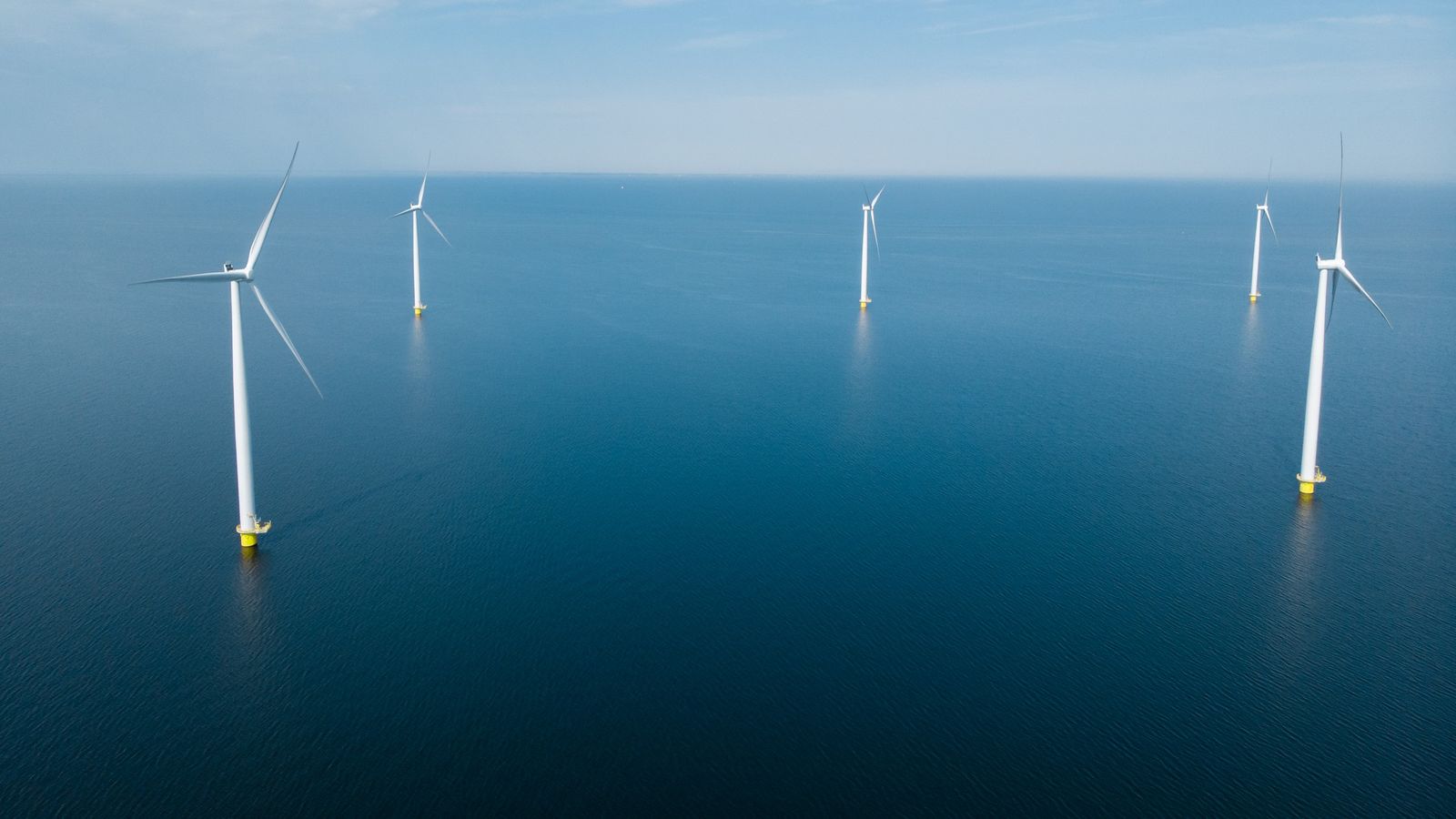
The report also counts the clean technology going in: 1.9 million new battery electric cars registered in 2025 (about one in six new cars), 611 GW of wind and solar capacity, and an estimated 41 GW of heat pumps installed, up from 26 GW in 2024.
What it means for your business
For a UK business, nothing changes in what you report. The UK has its own targets, its own trading scheme and its own conversion factors. For comparison, emissions in the UK ETS fell by 6.9% in 2025 (see our post on the UK carbon market report), against around 2% in the EU ETS.
It matters if you trade with the EU. EU customers bound by their own reporting rules can ask their suppliers for emissions data. The UK and EU are also working towards linking their emissions trading systems (see our post on the draft linking text), which would bring the two carbon markets closer.
The pace gap, in your own numbers. Take a business using 150,000 kWh of electricity and 100,000 kWh of gas a year. On the 2026 government factors that is 19.64 tonnes CO2e from electricity and 18.23 tonnes from gas, 37.88 tonnes in all. Cutting at the EU's 2025 pace of 1.6% saves 0.61 tonnes a year. Cutting at the 5.9% a year the EU needs to reach its 2030 target saves 2.24 tonnes a year. Small fixes such as better heating controls can reach the first; the second usually takes a real change, such as replacing a gas boiler or fitting solar panels.
What to do now
- If you sell into the EU, check what emissions data your customers ask for and have your electricity, gas and fuel figures ready by year.
- Set your own yearly pace. Work out what cut per year gets you to your target, rather than relying on the grid getting cleaner.
- Watch the UK-EU summit later this month for news on linking the two emissions trading systems. We will report it when it is published.