What happened
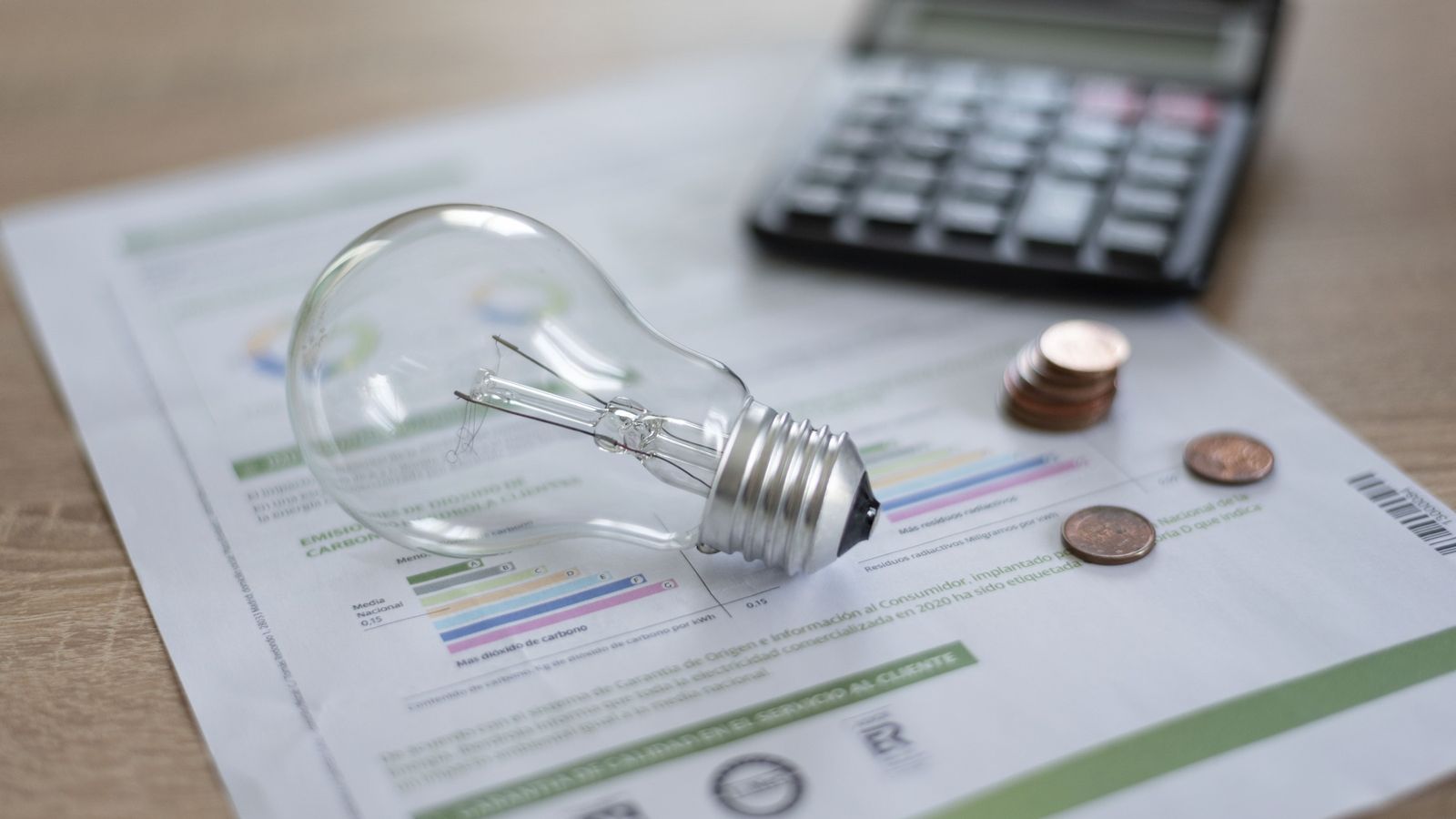
The energy consultancy Cornwall Insight published its final forecast for January's price cap on 18 November 2026. It expects the cap for a typical dual fuel household paying by direct debit to rise 26% from 1 January 2027, to £2,166 a year, an increase of £443 on the current cap of about £1,723. As Michael Race reported for BBC News, the forecast came on the same morning that inflation rose to 3.6%, and Lucy King reported for Energy Live News that it would take bills to their highest level since 2023.
The main points, from Cornwall Insight's own release:
- The forecast rates: electricity at 32.54p per kWh with a 56p a day standing charge, and gas at 10.90p per kWh with a 31p a day standing charge, for a typical home using 2,500 kWh of electricity and 9,500 kWh of gas a year.
- The cause: high and volatile wholesale prices, particularly for gas, as the conflict in the Middle East disrupts gas exports and leaves European gas storage at record lows going into winter.
- What is in and out: the removal of VAT from household electricity bills, now extended to July 2027, is priced in. The £100 Household Energy Payment for homes in Council Tax bands A to D in England is not, because it is a one-off payment outside the cap, and neither is the plan to remove standing charges from household gas bills, because its timing is not confirmed.
- April: Cornwall Insight's current view points to a small fall, which it says is likely to change several times before Ofgem announces that cap in February.
This is a forecast. Ofgem sets the cap, and the amount any household pays depends on how much energy it uses.
What it means for your business
The cap is for homes, but the cause is the same for businesses. Business tariffs have no price cap; they are priced off the same wholesale gas and power that Cornwall Insight says are behind this rise. We covered its separate forecast for business electricity in business electricity bills to rise 27% by 2030, and the free business electricity and gas prices tool shows what businesses have actually paid each quarter.
Your carbon doesn't follow the price. A kWh of gas burned in a boiler is 0.18231 kg CO2e and a kWh of electricity 0.13096 kg on the 2026 government factors, in January as in July. A typical home on Ofgem's figures produces 0.33 tonnes CO2e from electricity and 1.73 tonnes from gas, 2.06tonnes in all. If you estimate energy emissions from spend, a 26% price rise adds 26% to your footprint on paper with no change in what you burn.
Our sum: what a tonne of carbon costs at the forecast rates. Dividing the forecast unit rates by the government factors, every tonne of CO2e from household gas would cost about £598 in unit charges, and every tonne from electricity about £2,485, before standing charges. Gas is the bigger share of a typical home's emissions but the cheaper per tonne, which is why moving heat from a gas boiler to an efficient heat pump cuts carbon faster than it cuts the bill.
Staff working from home. When people work from home, their heating and equipment become your optional Scope 3 (category 7). On the 2026 government factor of 0.32393 kg CO2e per hour worked from home, one employee at home two days a week for 46 weeks (690 hours) adds 0.22 tonnes CO2e a year. The factor covers energy use, so it stays the same when the cap rises. Our guide to homeworking emissions explains how to count it.
What to do now
- Record energy in kWh from bills or meter reads, not pounds, so the price rise doesn't inflate your footprint.
- Check when your business contract ends. The same wholesale prices drive both, so know your renewal date and what rate you are on.
- Count homeworking hours if many of your staff work from home, so you have the figures if a customer or tender asks about Scope 3.