What happened
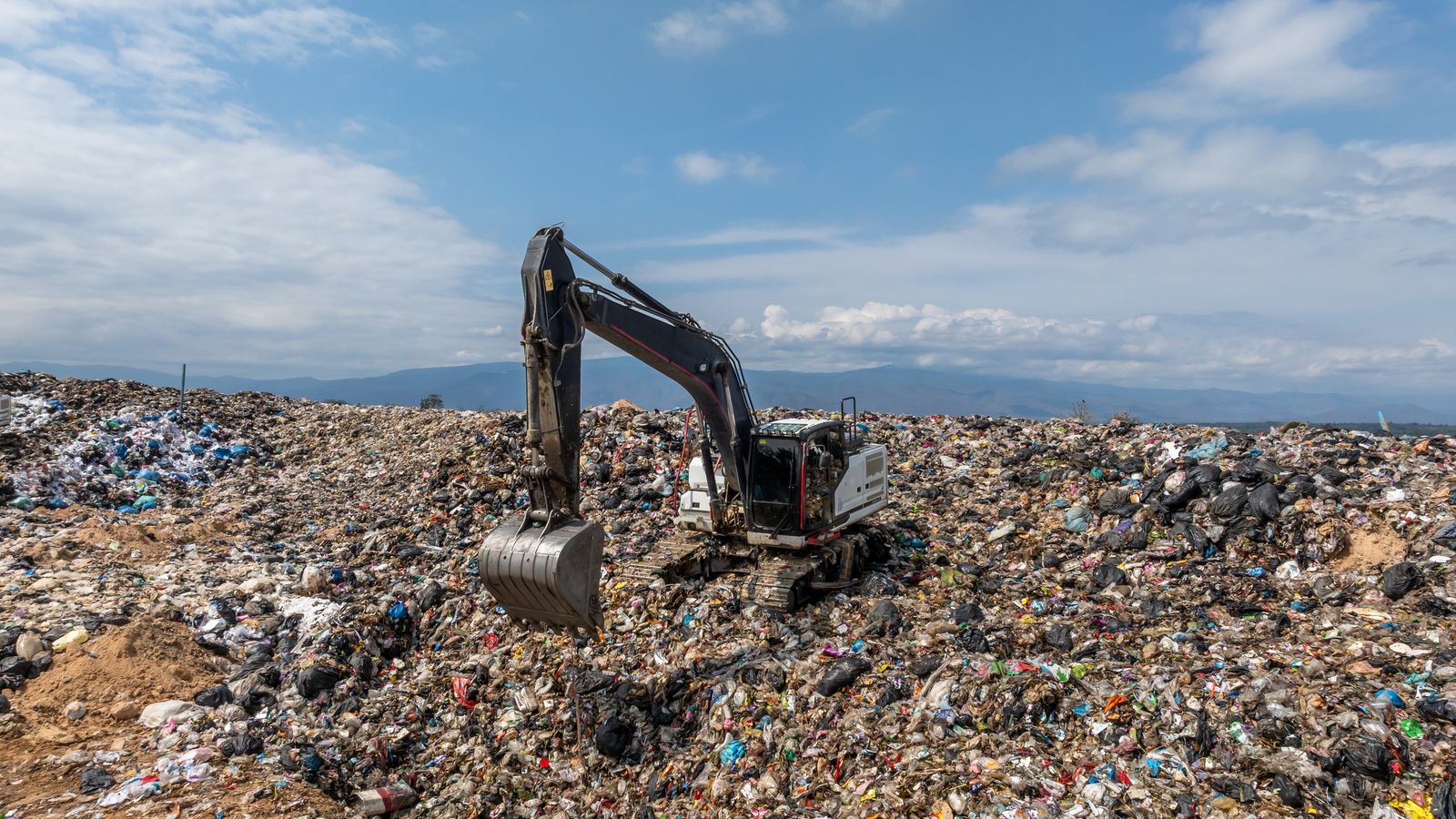
The International Energy Agency (IEA) published a report on waste, resource efficiency and energy at COP31 in Antalya, prepared at the request of the Türkiye COP31 Presidency, as Michael Holder reported for BusinessGreen. The presidency wants to halve the expected growth in the world's municipal waste by 2035, and has made zero waste part of the summit's action agenda (see our report on the opening day).
The main points from the IEA's release:
- The size of it: the world produces about 2.6 billion tonnes of municipal waste a year. Disposing of it, treating it and burning it account for around 4% of global greenhouse gas emissions, including nearly one fifth of the methane people cause.
- The prize: more than 1.5 billion tonnes of CO2e a year could be avoided by 2035, which the IEA compares to removing the emissions of half the world's car fleet. The wider effect is larger again once the energy used to make materials that end up thrown away is counted.
- Three areas: preventing waste through better product design and material efficiency, which cuts demand for energy-hungry steel and cement; better collection, sorting and recycling, which could double global plastics recycling by 2035; and turning leftover organic waste into energy, which could quadruple biogas production.
- Who acts: the IEA calls for governments and businesses to reform incentives, design products and buildings for reuse, and invest in collection, recycling and energy recovery. IEA Executive Director Fatih Birol said "Governments and businesses have the power to accelerate progress towards a zero waste and circular economy".
What it means for your business
For most businesses, waste is a small part of the footprint next to energy, fuel and purchased goods, but it is one of the easiest to cut and one of the easiest to measure, because your waste contractor already weighs it. The figure that matters most is how much organic waste ends up in landfill, where it rots and gives off methane.
Take an illustrative restaurant group that sends 12 tonnes of food waste and 8 tonnes of mixed paper and card a year to landfill inside its general waste. On the 2026 government factors that is 8.40 tonnes CO2e from the food and 9.32 tonnes from the card, 17.72 tonnes in all. Separate both, sending the food to anaerobic digestion and the card to recycling, and the reported figure falls to 0.15 tonnes, a cut of about 99%.
The real-world effect is the methane that never forms in the landfill, and the biogas and recycled fibre that replace new gas and new paper. In your own report you count only the collection and transport for recycled and digested waste; the recycler counts the rest.
What to do now
- Ask your waste contractor for tonnes by stream and treatment. Most can give you general waste, dry mixed recycling, food and glass by month, and say whether general waste goes to landfill or energy from waste. Our guide to waste emissions from contractor datashows how to read the report.
- Pull food and card out of general waste first. They are the heaviest streams with the biggest gap between landfill and the alternatives.
- Check what your general waste really goes to. Landfill and energy from waste carry very different factors, so use the treatment your contractor reports, not a guess.
- Report waste as Scope 3 Category 5. It is optional in SECR but required in a Carbon Reduction Plan for central government bids, so a measured cut is worth showing.