What happened
The Environment Agency said on 25 November 2026 that a 35-year-old man from Northolt in Greater London had been arrested in its investigation into the large-scale illegal dumping of waste at a site in Kidlington, Oxfordshire. He has been released on conditional bail. It is the 7th arrest in the case, after one in November 2025, two in January 2026, one in February and two in September. The investigation is led by the Environment Agency's National Environmental Crime Unit, with support from the South East Regional Organised Crime Unit.
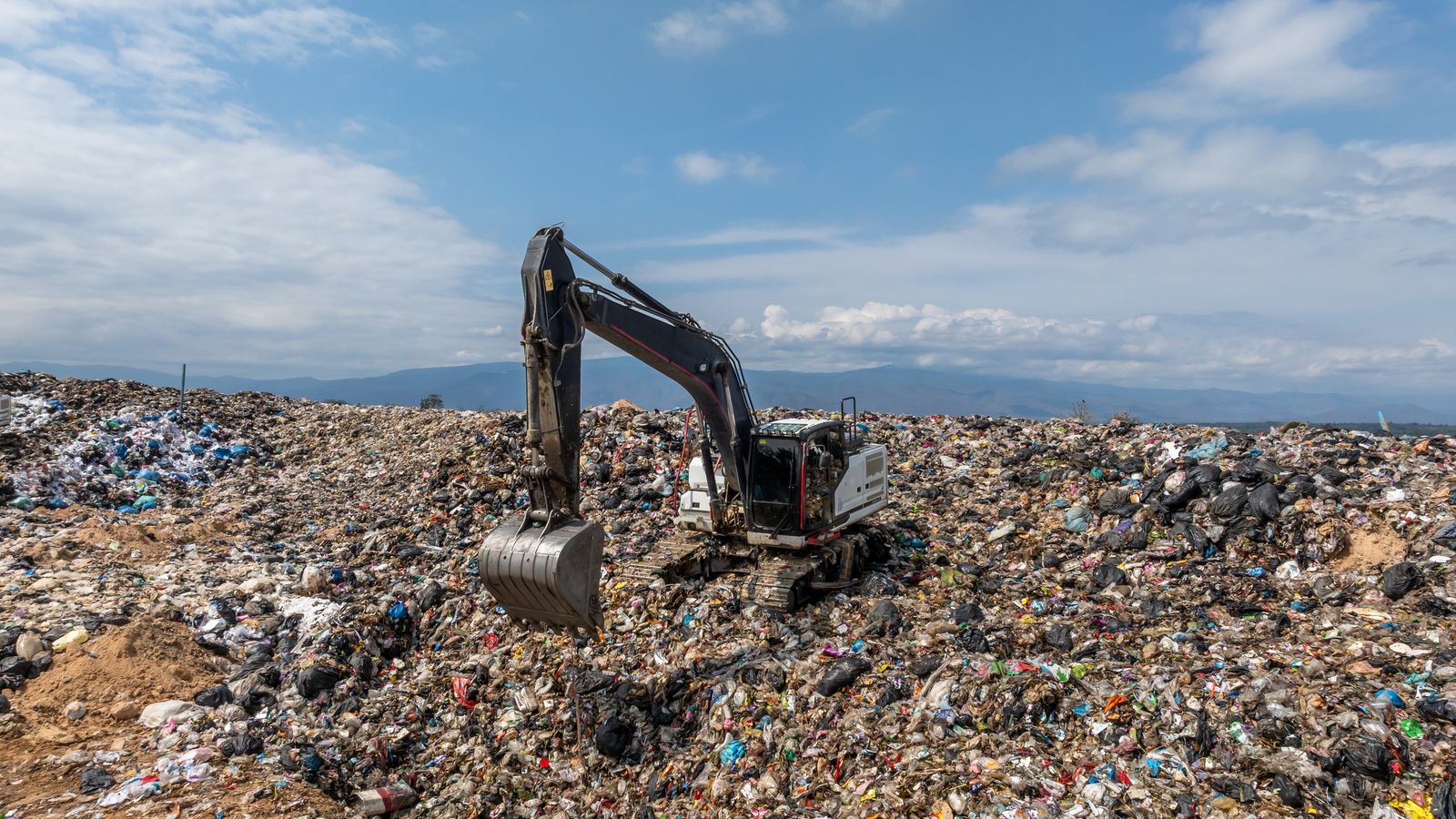
The agency first attended the site on 2 July 2025 and issued a cease-and-desist letter. When it found tipping had continued in October 2025, it sought a court order to close the site, granted on 23 October 2025, and says no tipping has taken place since. In August 2026 it finished clearing the site: an estimated 22,105 tonnes of commercial and household waste, including tyres, shredded plastic and household rubbish, were dug up and taken away.
The release says 36 arrests have been made for waste crime in England since April, with more drones in use, a bigger role for mayors and higher fines for dumping. Environment Secretary Dame Angela Eagle said: "We're taking on waste criminals, and this arrest shows we mean business."
What it means for your business
The waste at Kidlington came from somewhere. Commercial waste found on an illegal site often belongs to businesses that paid someone to take it away. Under the waste duty of care in England and Wales, your responsibility does not end at the gate: you must take reasonable steps to make sure the person collecting it is authorised and that it goes somewhere allowed to take it. Defra's code of practice says failing that duty is an offence with no upper limit on the fine a court can set, and a fixed penalty notice can be issued instead.
The carbon cost of the same waste, on the official figures. The release does not say where the cleared waste went, so this is a "what if". On the 2026 government conversion factors, commercial and industrial waste sent to landfill carries 520.58023 kg CO2e a tonne, mostly methane from rotting material:
- 22,105 tonnes to landfill: about 11,507 tonnes CO2e.
- A business sending 6 tonnes of general waste a year to landfill:3.12 tonnes CO2e in Scope 3, category 5.
- The same 6 tonnes sent to energy from waste:0.03 tonnes CO2e. The government factor for combustion counts only collection and transport, because the emissions from burning are counted against the electricity and heat it produces.
Waste dumped illegally never gets a proper disposal route at all, so the paperwork that proves where your waste went is also what lets you report its emissions with the right factor.
What to do now
- Check your waste carrier on the Environment Agency's public register (in Wales, the Natural Resources Wales register), including for one-off clearances, skip hire and builders taking away waste.
- Keep your waste transfer notes, or the invoice that stands in for one, for two years (three for hazardous waste consignment notes). Ask your contractor where the waste goes: landfill, recycling or energy from waste.
- Be wary of cheap offers. A price well below the going rate, cash only or no paperwork is a warning sign. Report waste crime through GOV.UK.