What happened
Giving evidence to the Commons Energy Security and Net Zero Committee on Wednesday 18 November, energy minister Martin McCluskey said repair work had been completed at 2,227 of the 24,600 homes affected by faulty external wall insulation fitted under two government schemes, as Joshua Nevett reported for BBC News. That is about 9% repaired, leaving more than nine in ten still waiting.
The schemes are the Energy Company Obligation (ECO4) and the Great British Insulation Scheme, which required energy suppliers to fund insulation in homes to cut fuel poverty and carbon emissions. According to the BBC, the minister said he was shocked by the extent of the failures, that the schemes "didn't have correct oversight", and that households would not be asked to pay for repairs. Ofgem told the BBC it "was not responsible for assuring the quality of installations", and that the Department for Energy Security and Net Zero is responsible for the scheme's design and outcomes.
The scale was set out by the National Audit Office in October 2025: an estimated 22,000 to 23,000 homes given external wall insulation (98% of the total) and 9,000 to 13,000 homes given internal wall insulation (29%) had major issues needing repair, such as faults that cause damp and mould. The NAO blamed weak government oversight, an overly complex consumer protection system, insufficient audit and monitoring, and work subcontracted to firms that were not competent or certified. It also noted Ofgem's November 2024 estimate that businesses had falsified ECO claims for between 5,600 and 16,500 homes.
What it means for your business
If you install insulation or retrofit measures, scrutiny of quality, certification and subcontracting will only grow. The committee chair, Bill Esterson, told the BBC he wants assurances that affected households are supported quickly, and the minister said a new system is being designed.
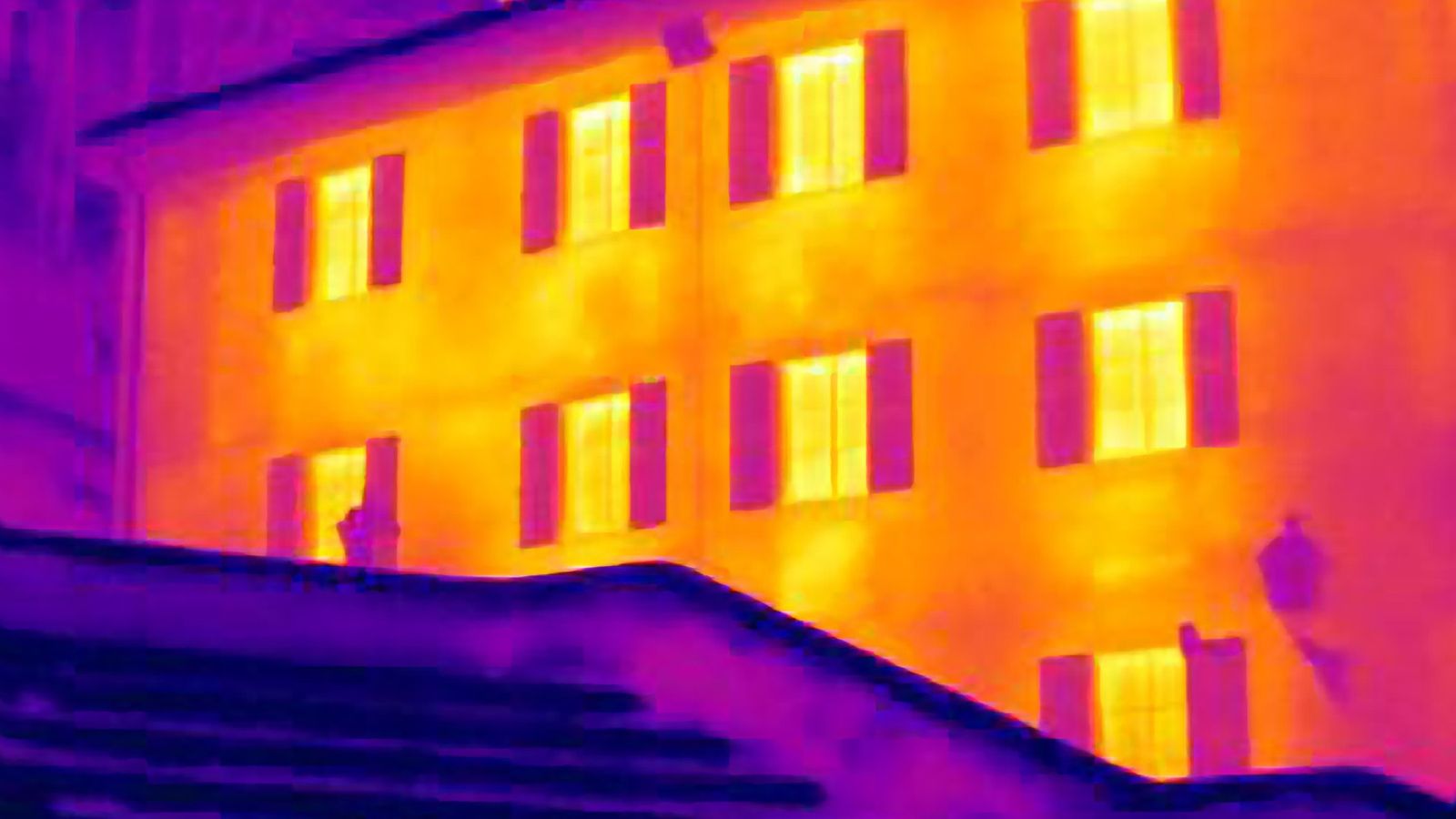
If you own or manage buildings, the same risk applies to your own retrofits. Insulation that is badly fitted can trap moisture and saves less energy than the design promised, so the carbon cut in your plan does not show up on the bills.
The carbon value of heat saved is easy to put a number on. Every 10,000 kWh of gas a building no longer burns is 1.82 tonnes CO2e less in Scope 1, at the 2026 government factor of 0.18231 kg CO2e per kWh. That is the figure to check against your meter readings a year after the work.
What to do now
- Before work starts, check the installer's certification for the exact measure, and ask who will actually do the job if it is subcontracted.
- After work finishes, get an independent inspection for anything external or structural, and keep the paperwork.
- Measure the result. Compare gas or heating kWh for the same months before and after, adjusted for a colder or milder year, so you know whether the saving is real.
- If you are a landlord with tenants in an ECO home, point them to TrustMark, which the BBC reports is contacting affected households.