What happened
Defra and the Environment Agency announced on 25 November 2026 that more than £11.2 million is being shared between 12 council-led projects through the Coastal Adaptation Pilots. The government said England has some of the fastest-eroding coastlines in Europe, and that the Environment Agency's latest assessment shows around 20,000 homes and businesses could be at risk from coastal change by 2105.
The projects named in the announcement:
- Cornwall Council, £2.6 million: community adaptation plans along the Cornish coast, including a Future Coast Cornwall project with places such as Newquay, dune monitoring across Cornwall, Devon and the Isles of Scilly, sediment management, highway adaptation and storm-response tools.
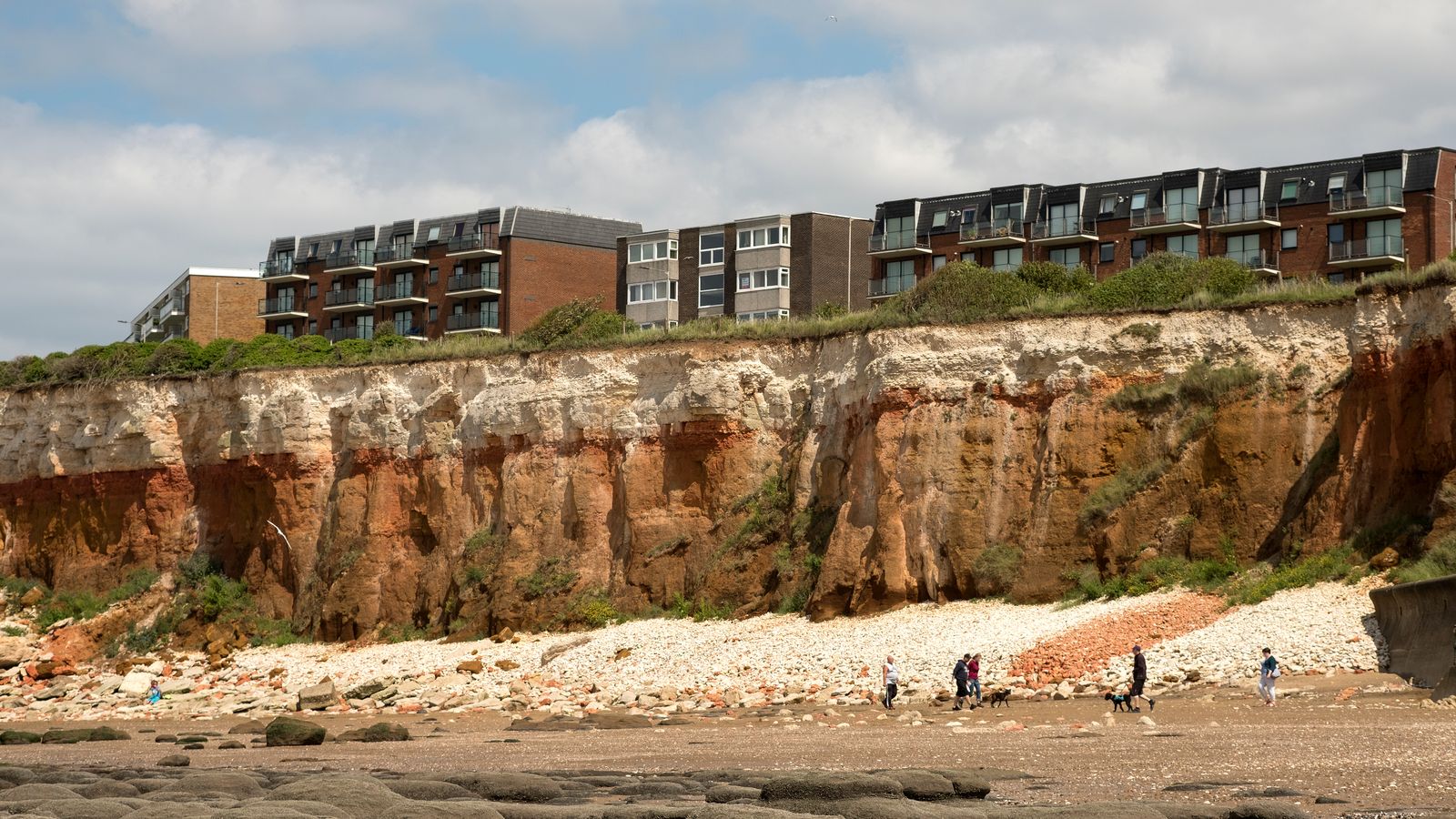
- North Yorkshire Council, £970,000: drone surveys using LiDAR to spot cliff movement earlier, adaptation planning at Filey Flat Cliffs, including the risk to the access road and utilities, and a modular access route at Cayton.
- Somerset Council, £290,000: three-dimensional modelling of the cliff at West Watchet, where erosion has already closed the B3191 and cliff slumping puts around 20 properties at direct or future risk, with residents and businesses involved throughout.
The 12 projects join four advanced projects in the East Riding of Yorkshire, East Suffolk, Great Yarmouth and North Norfolk, which received £18 million earlier this year. One approach being developed there would give eligible households more certainty and financial support to move before their homes become unsafe. The pilots run until March 2029, and the government says what they learn will be shared with other coastal areas. Floods Minister Emma Hardy said: "Coastal erosion is one of the most challenging impacts of climate change and we are taking this seriously."
What it means for your business
Coastal change is a physical climate risk. It belongs in the same part of a climate risk assessment as flooding and heat. The announcement names the business risks directly: disruption to infrastructure and tourism, roads lost to erosion, as at Watchet, and access routes that may have to move. A business with premises, a depot, a holiday let or key suppliers on an eroding coast faces the same risks, even when its own building is not on the cliff edge.
Customers and lenders ask about it. Climate risk questions now appear in tenders, supplier questionnaires and loan reviews, and frameworks based on TCFD, including the UK Sustainability Reporting Standards, ask for physical risks to sites and supply routes. A short, sourced answer ("we checked our sites on the Environment Agency's coastal erosion and flood risk services on this date; here is what we found and what we will do") is usually what is wanted.
What to do now
- Check each coastal site on the free Check coastal erosion risk service, and the long term flood risk service for the sea, rivers and surface water. Note the date you checked.
- Look along your supply routes. A road, rail line or supplier on an eroding stretch can stop deliveries before your own site is affected.
- Talk to your council if you are in one of the pilot areas: the projects are designed to work with local businesses as well as residents.