What happened
The Department for Environment, Food and Rural Affairs announced on Wednesday 11 November 2026 that it is changing extended producer responsibility (EPR) for packaging, the scheme that has charged large producers since 2025 for the cost of dealing with household packaging waste. The changes are:
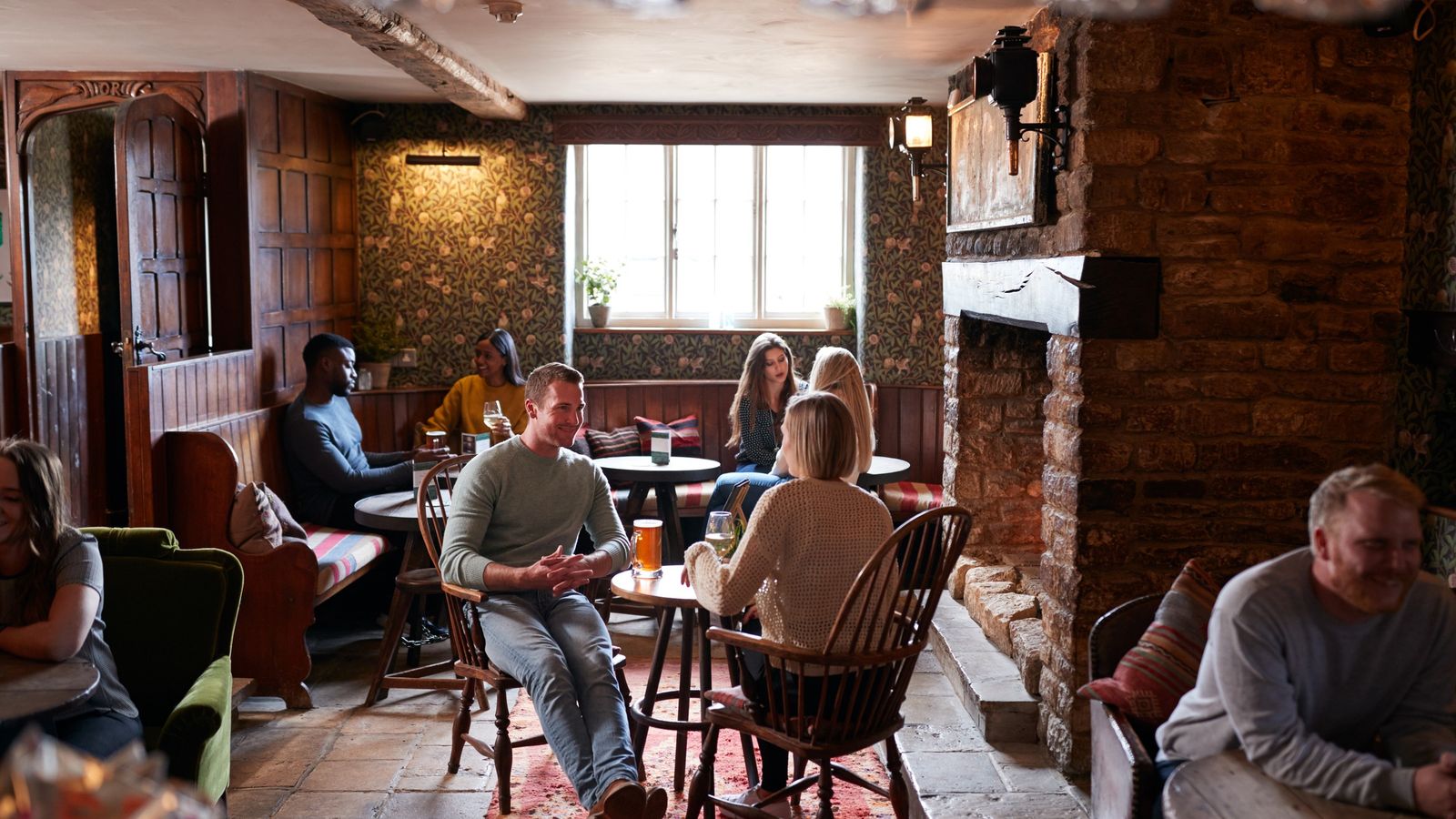
- No EPR fee on glass sold straight to hospitality from April 2027. Glass drinks containers sold directly by producers to pubs, restaurants and other licensed venues will no longer be liable for EPR fees. Pubs already pay a waste contractor to recycle that glass, so the same bottle was being paid for twice.
- Savings per bottle. Defra puts the saving at up to 6p per beer bottle and 10p per wine bottle, and says a pub selling 10,000 beer bottles and 3,700 wine bottles a year could save up to £870.
- A consultation on fees. Businesses will be consulted on making easy-to-recycle packaging such as glass and paper cost less and hard-to-recycle packaging such as some plastics cost more. Defra says this could cut fees for the most recyclable packaging by up to 40% a year.
- More to come. A call for evidence on reusing packaging at greater scale is due next month, and PackUK, which runs the scheme, will launch a call for evidence on fees in early 2027.
Defra says the scheme has already provided £1.4 billion to councils to improve recycling services. The release quotes British Glass, the British Soft Drinks Association and the British Beer and Pub Association welcoming the change, with the BBPA asking that the 12,000 leased and tenanted pubs benefit too.
What it means for your business
The fee is paid by large producers: brewers, drinks makers and importers whose packaging goes into pubs and restaurants. To show the scale, take a brewery that sells 200 tonnes of glass bottles a year straight to pubs. At the 2025 to 2026 base fee for glass of £192 a tonne that is £38,400 a year, and at Defra's illustrative 2026 green fee of £185 a tonne it is about £37,000. From April 2027, glass sold that way would no longer carry the fee. Pubs, restaurants and hotels don't pay EPR fees themselves, but the cost has been passed on in the price of drinks, so the saving may reach them through their suppliers.
The carbon picture doesn't change. The bottles still have to be collected and recycled, and that waste still belongs in the venue's Scope 3 report. With the 2026 government waste factors, 200 tonnes of glass sent to landfill counts as about 1.80 tonnes CO2e, and recycled in a closed loop about 0.93 tonnes. Those waste factors only cover collection and processing, so the much bigger benefit of recycled glass, less energy to melt new glass, shows up in the glassmaker's footprint rather than the pub's.
The fee consultation matters more widely. If easy-to-recycle packaging gets cheaper and hard-to-recycle plastics dearer, the choice of packaging will start to show more clearly in a large producer's EPR bill, as well as in its carbon footprint.
What to do now
- If you are a large producer selling into hospitality, split your glass data by route: sold directly to licensed venues, through wholesalers, and to retail. You will need that split to claim the change, and Defra has not yet said how indirect supply will be treated.
- If you run a pub, restaurant or hotel, ask your drinks suppliers whether their prices will reflect the change from April 2027, and keep your glass recycling separate: it keeps collection costs down and gives you a clean waste figure for your carbon report.
- If you are a small producer, nothing changes for you: keep reporting your packaging data by 1 April and paying the registration fee. Our guide to EPR for small producers explains what is due.
- Watch for the fee consultation and PackUK's call for evidence in early 2027 if your packaging mix includes hard-to-recycle plastics.