What happened
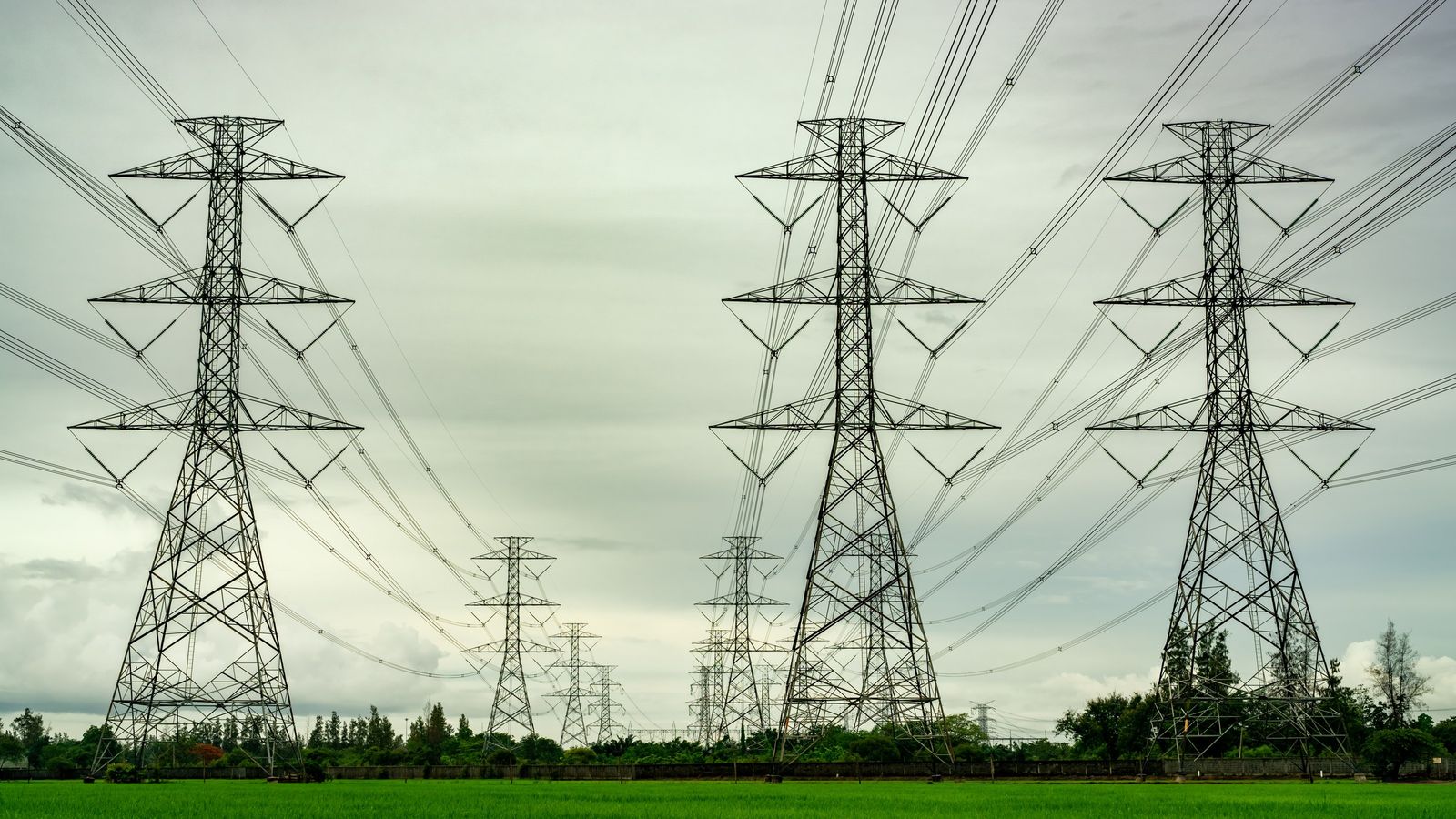
On 17 November 2026 the Department for Energy Security and Net Zero updated its page for Electricity networks growth: social and environmental guidance to GEMA with one line: "This guidance came into force on 17 November 2026." The text was first published on 14 September 2026. GEMA, the Gas and Electricity Markets Authority, is the board that governs Ofgem, and under section 3B of the Electricity Act 1989 it must have regard to guidance like this when it regulates.
The guidance sets out what the government wants from the build-out of the grid:
- More work for UK firms. "More investment, contracts, and work should flow to UK businesses", with long-term jobs and more resilient supply chains through more domestic capability.
- A social value weighting in network tenders. Network company procurements are not covered by PPN 026, the central government Social Value Model, but the government "maintains that a 10% minimum social value weighting for electricity networks is an important lever for delivering growth" and wants Ofgem to work with network owners towards 20% in the longer term. For now the 10% is described as voluntary.
- UK assembly and supply chains. Ofgem should consider an approach in which final UK assembly and the growth of the domestic high-value supply chain "are directly encouraged", with evaluation criteria designed to maximise supply chain resilience.
- Limits. Social value must be applied proportionately, must not create unnecessary burdens or barriers for suppliers, and must not discriminate against suppliers from treaty states or break World Trade Organisation rules. The guidance accepts that buying from UK firms "may come with a short-term cost trade-off".
- Reporting. Ofgem is asked to publish how it will manage the trade-off with its duty to protect consumers "by the new year", to discuss progress with officials or ministers every quarter, and to publish a written update each year. That may include reporting of domestic versus overseas supply chain spend, and investment by region.
We found no news report of the guidance coming into force on the day, so this story is checked against the gov.uk document alone.
What it means for your business
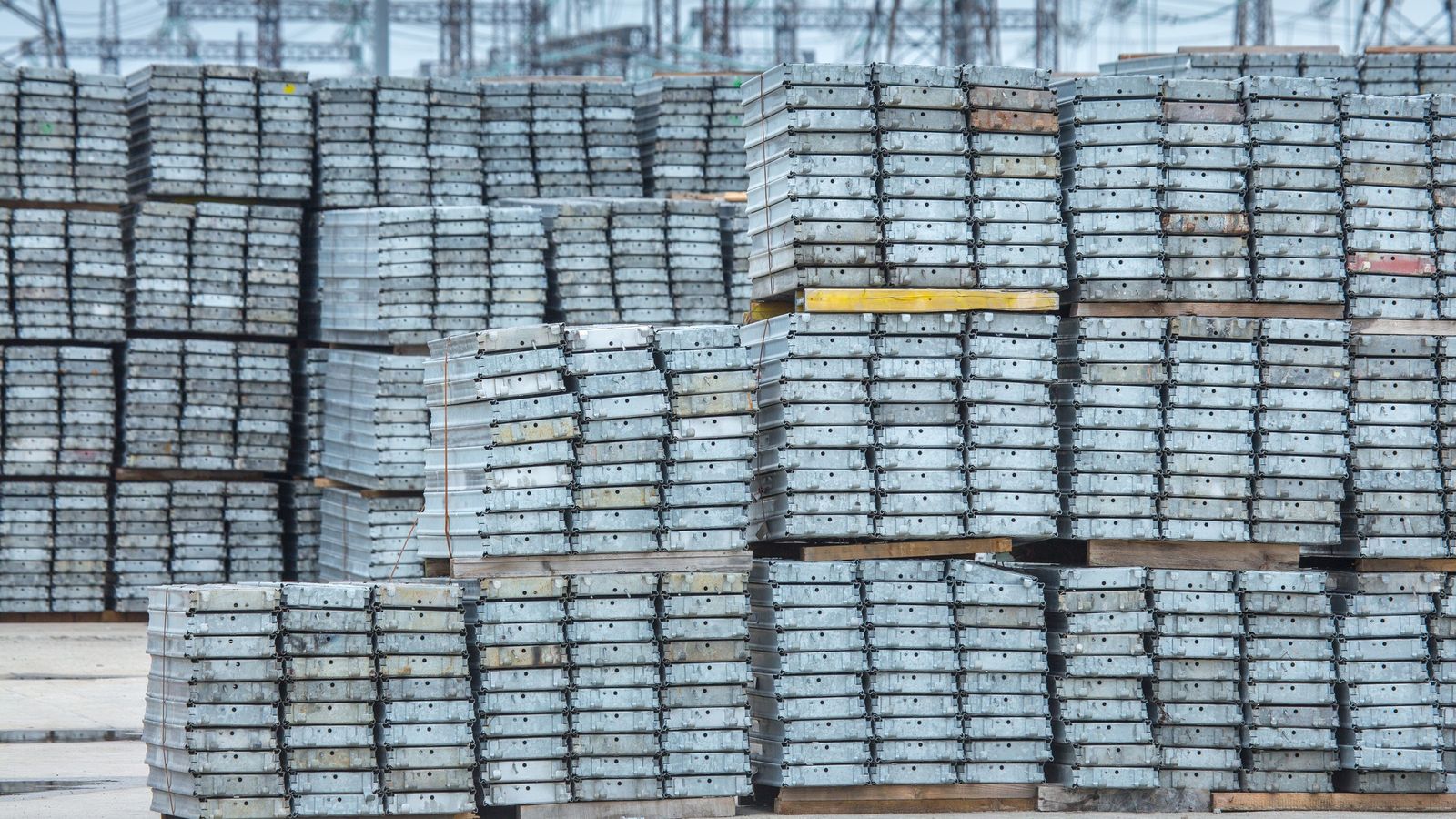
If you supply network companies, tenders may start asking for social value. Transmission owners and distribution network operators buy cables, transformers, switchgear, civil works, engineering services and much more. The guidance directly affects Ofgem's decisions on how they procure, and says independent network operators and connection providers may choose to align too. If a network company adopts a 10% social value weighting, a tenth of the score on a bid would go to what you offer on jobs, skills and local opportunity, in the same way central government tenders work under PPN 026 from 1 January 2027.
Carbon is mentioned, but not weighted. The guidance says growing UK clean energy industries supports wider industry to decarbonise, and that "shorter supply chains can also carry wider environmental advantages, for instance by reducing emissions". It does not set a carbon weighting for network tenders. Network companies write their own questions, and many already ask suppliers about emissions, so a carbon answer is still worth having ready.
What "shorter supply chains" can mean in tonnes. Transport is often a small part of a product's footprint next to making it, but it is the part a supplier's location changes. Take 20 tonnes of network equipment delivered 300 km by HGV from a UK factory. At the DESNZ 2026 average HGV factor of 0.10356 kg CO2e per tonne-km, that is 6,000 tonne-km and 0.62 tonnes of CO2e. The same load imported 2,500 km by container ship (0.01612 kg per tonne-km, 50,000 tonne-km, 0.81 tonnes) and then trucked the same 300 km comes to 1.43 tonnes. Shipping is efficient per tonne-km, so the gap is smaller than the distance suggests; the bigger differences usually sit in how and where the equipment was made, which only the manufacturer's own data can show.
Bills are part of the trade-off. Network costs are paid through energy bills, and the guidance asks Ofgem to balance the growth aim against its principal objective of protecting consumers. How Ofgem plans to strike that balance is due by the new year.
What to do now
- If you sell to network companies, ask how they will score social value. Watch tender documents from transmission owners and distribution network operators for a social value section, and for any guidance Ofgem publishes on the evidence companies may provide.
- Prepare jobs and skills evidence. UK jobs created or kept, apprenticeships, training and where the work is done are the outcomes PPN 026 scores, and the guidance points network buyers towards similar principles.
- Keep a carbon answer ready. Network companies set their own climate questions. A current footprint and, where a buyer asks, a Carbon Reduction Plan cover most of them; our guide to answering the tender climate question shows how.
- Know your freight emissions. If location is part of your pitch, the tonne-km and the factors above let you put a number on the delivery leg rather than a claim.