What happened
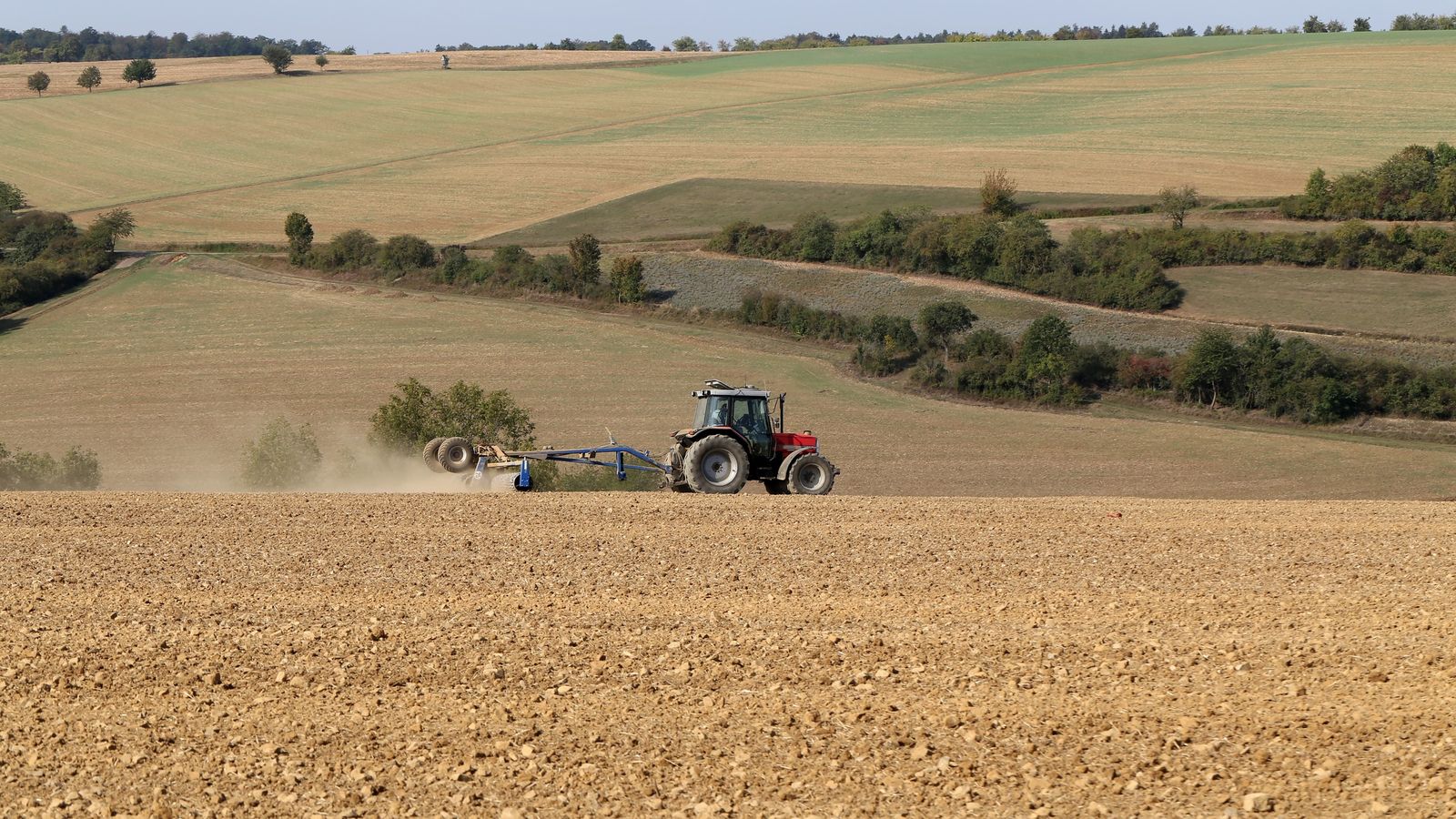
Environment Secretary Dame Angela Eagle announced £43 million of support for farmers at the CLA Rural Business Conference in London on 19 November 2026, after a summer of dry weather and wildfires. According to Defra's release:
- Water Management Grant, up to £15 million: for reservoirs and water storage so farms have supplies in dry spells. Applications open on 30 November 2026 and close on 23 February 2027. It is not first come, first served, and growers can apply before planning and abstraction licences are fully in place.
- Farming Innovation Programme, up to £28 million: Defra calls it the biggest competition the programme has run, for practical projects on soil health, water quality and environmental management.
- A Fertiliser Sustainability and Resilience Plan: aimed at boosting UK fertiliser production and shielding farmers from volatile world markets. Defra says some fertiliser prices in the UK rose by 30% between February and April 2026.
- Scheme changes: the Sustainable Farming Incentive will move away from first come, first served, and a trial from November lets farmers on common land such as Dartmoor join Countryside Stewardship Higher Tier for the first time.
What it means for your business
If you farm in England, you may be able to apply for the water grant or the innovation competition. Check the scheme rules on gov.uk's farm funding pages to see whether you may be eligible; we can't tell you that you will be.
If you buy from farms, the fertiliser plan matters more than the reservoirs. Nitrogen fertiliser is made with natural gas and gives off nitrous oxide once spread, so it is often one of the largest parts of the footprint of food and drink. Food businesses asked for supply chain emissions (by retailers through schemes such as OpenClimat, for example) will find their farm suppliers' fertiliser use near the top of the list.
Water storage is a resilience measure first. Mains water carries a small carbon factor, so swapping it for stored rainwater cuts emissions only a little. Where storage replaces diesel pumping from a river or borehole, the saving is larger.
Worked examples
- A farm that stores 5,000 cubic metres of water a year in place of mains water saves about 0.96 tonnes CO2e at the 2026 government water supply factor of 0.1913 kg CO2e per cubic metre.
- A farm whose pump burns 1,500 litres of gas oil (red diesel) a year to move water: 4.13 tonnes CO2e at the 2026 factor for burning it, before the extra emissions from producing the fuel. Where stored water can be fed by gravity or a solar pump, much of that can go.
What to do now
- Farmers: read the scheme rules before 23 February 2027. The window is 12 weeks and an early application has no advantage, so there is time to get quotes and plans in order.
- Record what the project replaces. Note the mains water, pumping fuel and electricity you use now, so you can show the change once storage is built.
- Food and drink buyers: ask suppliers about fertiliser. Tonnes of nitrogen applied per hectare is the number that drives most farm emissions, and it is the one retailers' questionnaires ask for.