What happened
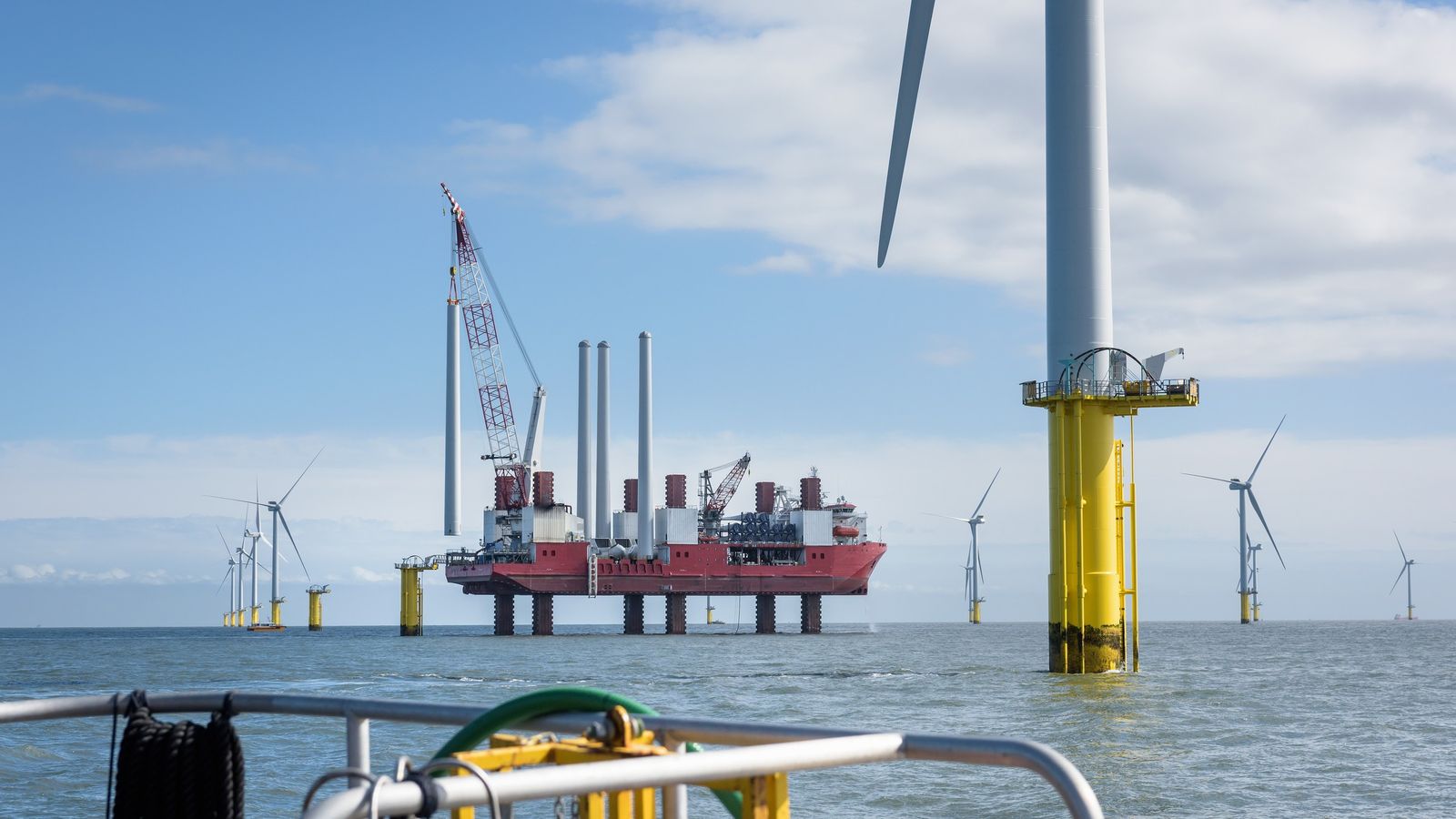
On 19 November 2026 the Scottish Government granted consent for the Muir Mhòr floating offshore wind farm, about 63 km off the Aberdeenshire coast. It will have a capacity of up to 1 GW from up to 67 turbines, and the government says it could generate enough electricity each year for more than a million homes. As Michael Holder reported for BusinessGreen, the project is billed as "pioneering", and Vattenfall describes it as one of the world's first commercial-scale floating offshore wind projects.
The consent comes with conditions the developer must meet, including mitigation for commercial fisheries and environmental compensation for the possible impact on seabirds. It covers the wind farm and the offshore cables to the Aberdeenshire coast. The onshore cabling and substation were approved by Aberdeenshire Council in June 2025, and the project is a joint venture between Vattenfall and Fred. Olsen Seawind, according to Vattenfall, which said the wind farm was set to start generating in the early 2030s.
Public Service Reform Secretary Ivan McKee said Scotland has 11 operating offshore wind farms with 4.3 GW of capacity, and now more than 11 GW consented.
What it means for your business
The size of it in carbon terms. UK offshore wind ran at a load factor of 36.1% in 2025 (DUKES table 6.3). At that rate 1 GW would produce about 3.2 TWh a year. Bought from today's grid, the same electricity counts as about 414 thousand tonnes CO2e in a location-based report at the 2026 factor of 0.13096 kg per kWh. That is a measure of size, not a calculation of emissions avoided: floating wind may run at a different load factor, and what it displaces depends on the grid when it starts.
Your electricity figure. An illustrative business using 200,000 kWh a year reports 26.19 tonnes CO2e under the 2026 factor. Wind farms like Muir Mhòr lower that factor in later years, once they are generating, without the business doing anything.
If you are in the offshore supply chain. Floating wind needs ports, mooring, cables and vessels in Scotland. Consented capacity is a signal of work to come, but projects still need a route to market. The latest renewables auction set a notional £1 starting budget for floating wind, so ministers will look at each bid before deciding how much to buy.
What to do now
- Report this year with this year's factor. Use the kWh on your bills and the 2026 government factor; a consent changes neither.
- Show the trend. Put each year's electricity emissions side by side so readers can see how much of any fall came from the grid.
- If you buy on a renewable tariff, report market-based Scope 2 from your supplier's evidence as well as the location-based figure.