What happened
At 19:15 on Sunday 8 November 2026 the National Energy System Operator (NESO), which runs Britain's electricity system, issued an Electricity Margin Notice for 06:00 to 11:00 on Monday morning. It forecast a shortfall of 1,388 MW against the safety margin it wants to hold. At 04:15 on Monday it updated the notice: the tight period narrowed to 08:00 to 11:00 and the shortfall fell to 500 MW. The notice asks generators, interconnectors and suppliers to tell NESO about any extra capacity or demand reduction they can offer, and says NESO's Maximum Generation Service, which asks power stations to run above their normal output, may be instructed. As the Guardian reported, it is a rare call, and wind has dropped across Europe as well as in Britain. NESO's last notice was on 23 June 2026.
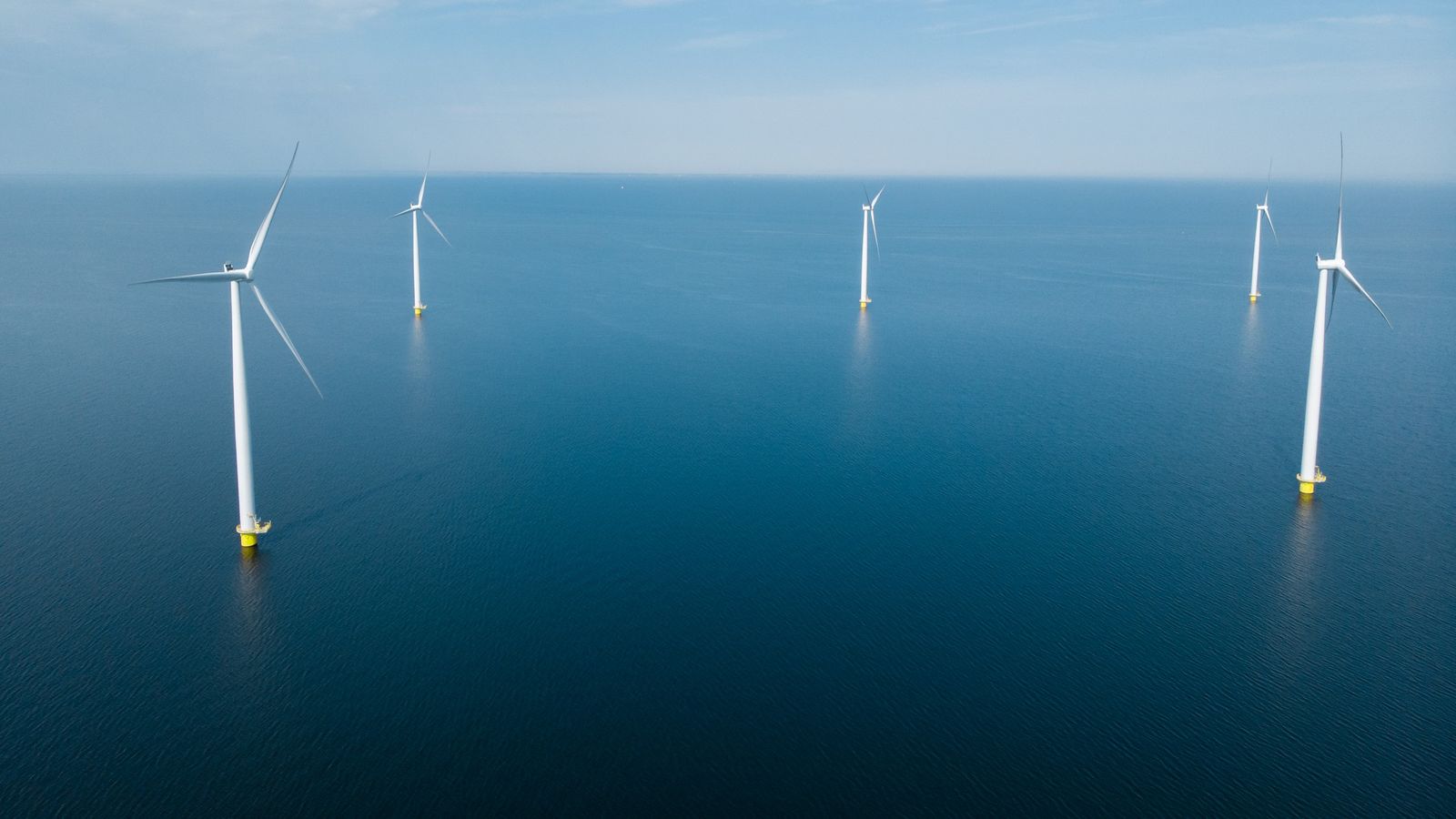
NESO's notice is clear that this is not a warning of blackouts: "It does not signal that blackouts are imminent or that there is not enough generation to meet current demand." It is a market signal, and NESO's winter outlook in October said it expected to use such notices on tight days. The cause is the weather. NESO's Carbon Intensity API put wind at 2.2% of Britain's electricity between 07:00 and 07:30, with gas at 62.2%, nuclear 13.3% and biomass 8.5%, just as Monday demand picked up.
What it means for your business
Your supply is not at risk, and your report does not change. Under the GHG Protocol and UK reporting, location-based Scope 2 uses the government's annual UK grid factor, 0.13096 kg CO2e per kWh for 2026, whatever the hour. A still morning does not change the figure you report.
The real emissions behind your power do change. The grid ran at 271 to 278 g CO2 per kWh in every half hour from midnight to 07:30, and NESO forecast 283 g at 08:00. Its daily average was 260 g on Sunday and just 81 g on 26 October, a windy day. The annual reporting factor works out at about 131 g, so this morning was well above it. (The API counts CO2 from generation in Great Britain, while the DESNZ factor covers all greenhouse gases for the UK, so the two are close cousins, not identical.)
Prices can move too. Tight mornings tend to be expensive in the wholesale market. Whether that reaches you depends on your contract: a fixed price shields you, a tariff that follows the market does not. We don't forecast prices.
A worked example: the same kWh on two different days
- An illustrative workshop uses 300 kWh between 08:00 and 11:00. In its carbon report that is 39 kg CO2eon the 2026 UK factor, on any day.
- The CO2 actually emitted to generate those kWh this morning was about 85 kg at 283 g per kWh, against about 24 kg on a windy day like 26 October at 81 g.
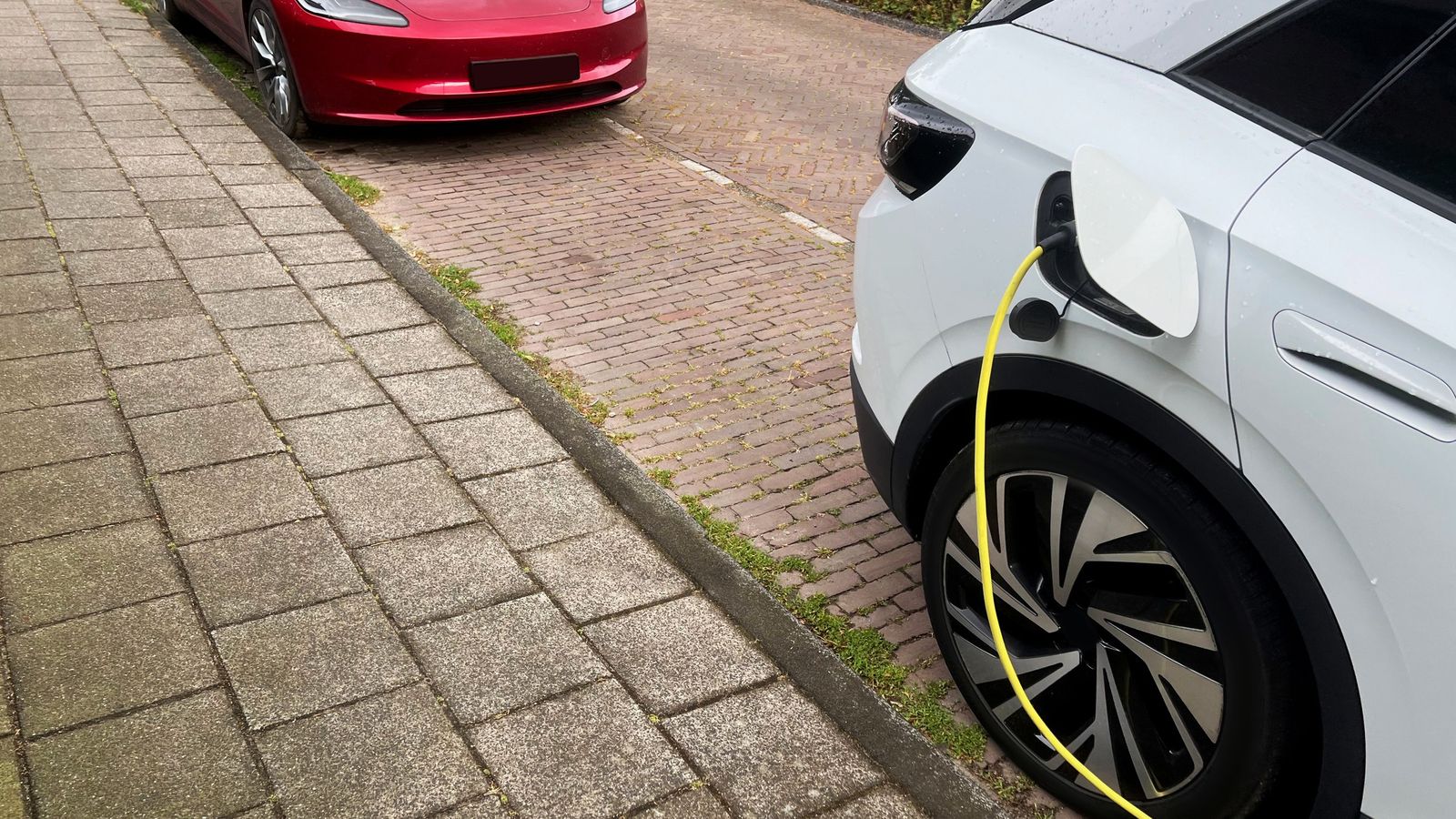
- A van fleet that charges 200 kWh would cause about 57 kg of CO2 if it charged at 08:00 today, and about 42 kg on the forecast for 23:00, 26% less for moving the same charge to the evening.
These are illustrative kWh. The grid figures are NESO's national readings and forecasts for 9 November, and the sums are ours.
What to do now
- Nothing is required. A margin notice places no duty on a business. If you signed up to a demand flexibility scheme through your supplier, follow what it asks.
- Move flexible loads off still mornings and early evenings. Van charging, hot water and batch work that can run later or overnight cost less carbon, and often less money, when the wind is low. The free GB electricity generation mix tool shows the mix live and over the last 24 hours.
- Keep reporting with the annual factor. Use the 2026 UK factor for location-based Scope 2. Our post on why the UK grid gets cleaner every year explains why the factor falls year to year, and location-based versus market-based reporting explains what a green tariff changes.
- Read the winter outlook. Our story on NESO's and National Gas's winter outlooks covers what they expect for the rest of the winter.