What happened
Energy trader Danske Commodities announced on 19 November 2026 that it has signed a ten-year corporate power purchase agreement (PPA) with Reckitt, the consumer goods company founded in Hull in 1840. As Amber Rolt reported for BusinessGreen, it is Danske Commodities' first long-term corporate PPA.
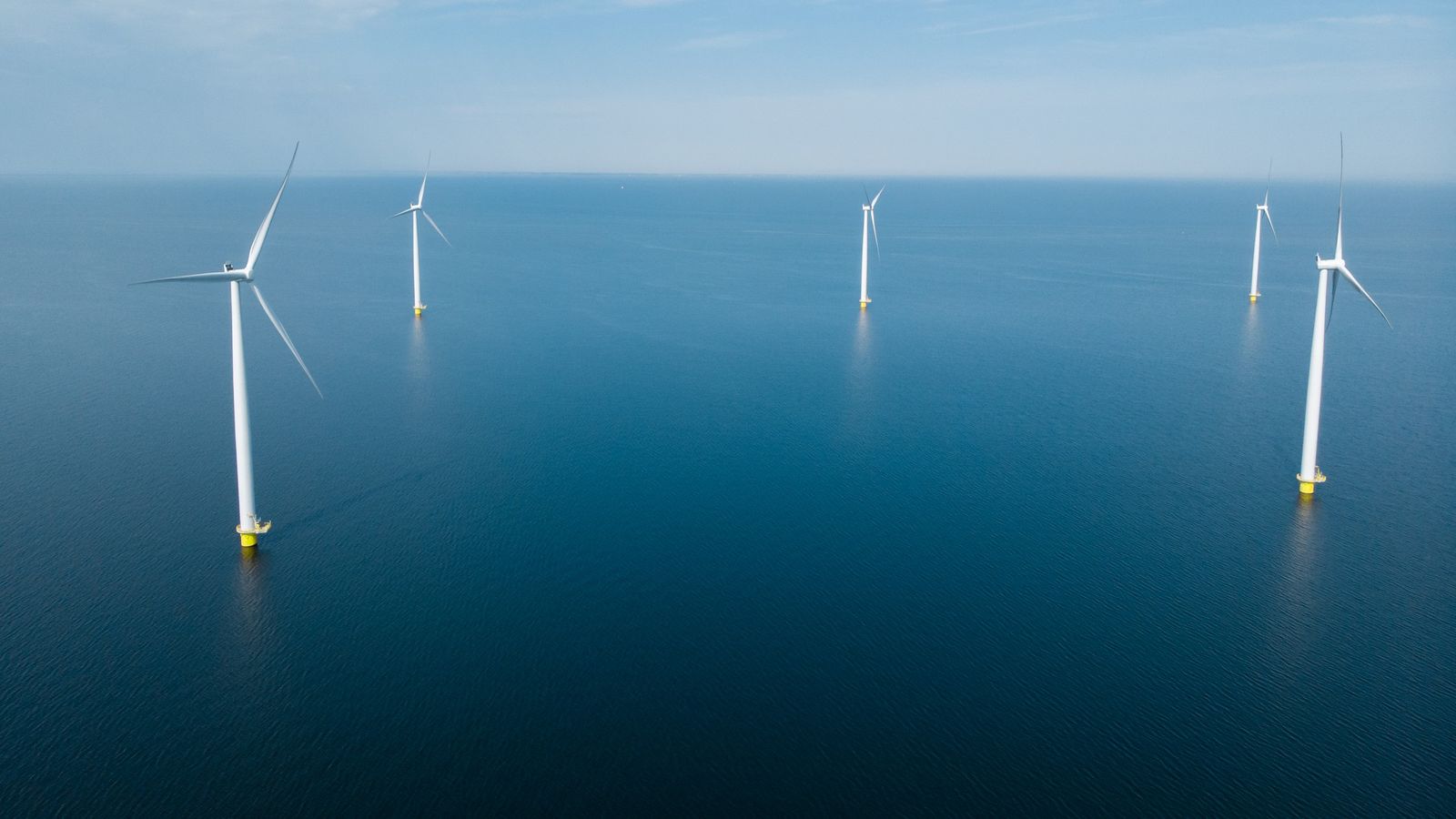
- What is sold: fixed-price baseload power, with Renewable Energy Guarantees of Origin (REGOs), from the Dogger Bank B offshore wind farm off the Yorkshire coast.
- The wind farm: a new-build 1.2 GW project owned by Equinor (40%), SSE Renewables (40%) and Vårgrønn (20%). Danske Commodities is owned by Equinor.
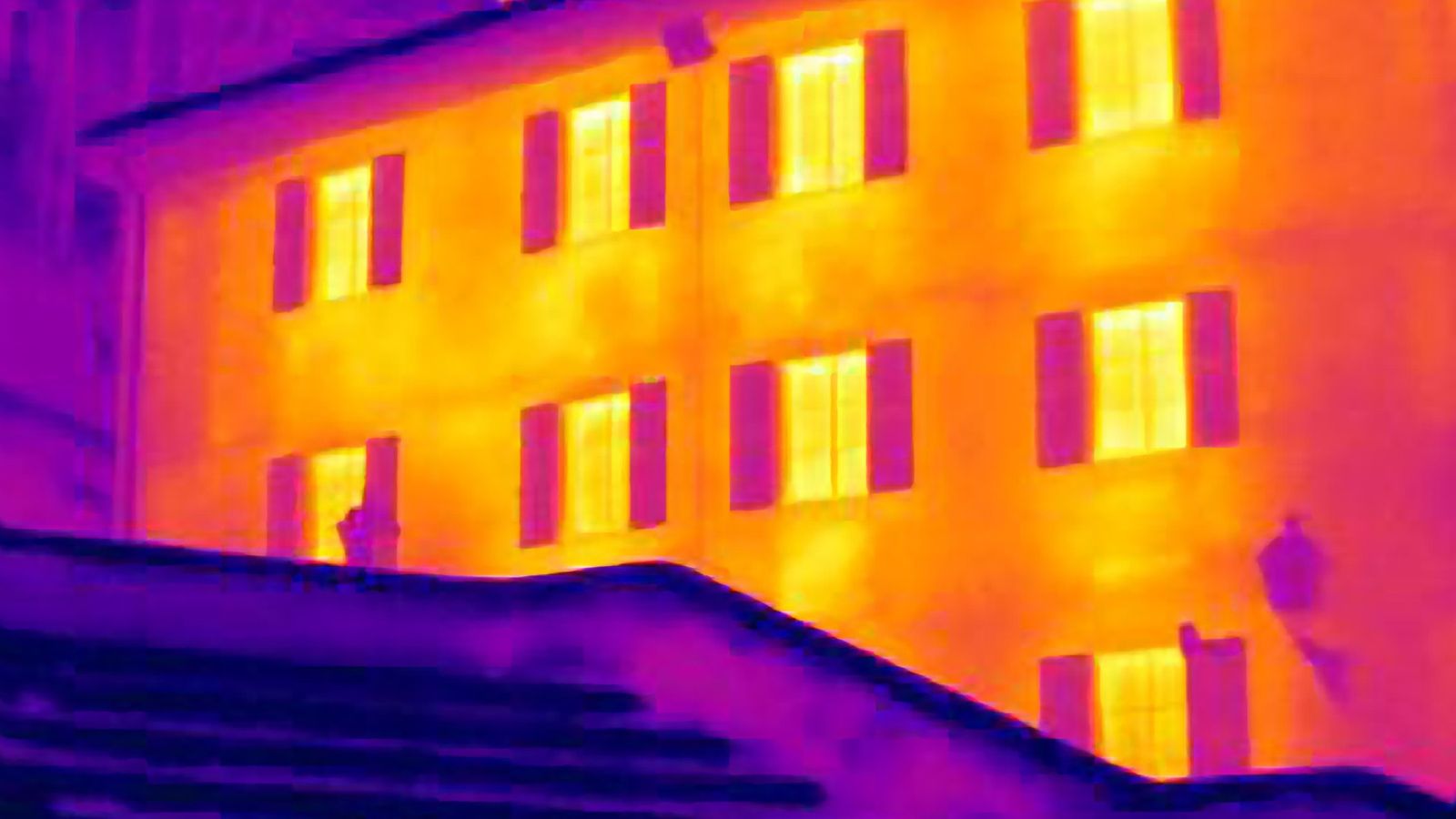
- Where the power goes: the release says it will help supply electricity for production at Reckitt's Hull site.
- When: from 1 January 2028, for ten years. The deal was arranged through LevelTen Energy. No volume or price was published.
What it means for your business
Two Scope 2 figures, and only one moves. UK reports show electricity two ways. The location-based figure uses the average grid factor, so a PPA doesn't change it. The market-based figure follows the contracts and certificates behind your electricity, and under the GHG Protocol Scope 2 Guidance the REGO-backed share counts at zero. Our guide to market-based Scope 2 and the residual mix explains the rules.
Our sums, for an illustrative factory (not Reckitt's figures) using 10,000 MWh a year:
| Figure | Factor | tonnes CO2e |
|---|---|---|
| Location-based, before and after | 0.13096 kg per kWh (DESNZ 2026) | 1,309.60 |
| Market-based, no certificates | 0.396 kg per kWh (UK residual mix) | 3,960.00 |
| Market-based, 70% covered by a PPA with REGOs | 0 on 7,000 MWh, residual mix on 3,000 MWh | 1,188.00 |
The residual mix is what's left of UK electricity once every certified renewable claim has been taken out, so it is higher than the grid average. That is why certificates matter: without them, your market-based figure can be worse than your location-based one.
Fixed prices are part of the point. Jesper Tronborg of Danske Commodities said baseload renewable power "supports both sustainability efforts and risk management needs". For a manufacturer, a ten-year fixed price is a hedge against power prices as much as a carbon measure.
What to do now
- Report both Scope 2 figures, location-based and market-based, and say which certificates back any renewable claim.
- On a renewable tariff? Ask your supplier for the REGOs, or its fuel mix disclosure, for the period you report. Our REGO guide covers what to ask.
- Big energy user? If a PPA is on the table, check how much of your hourly demand a baseload volume covers, and what you'll pay for the rest.