What happened
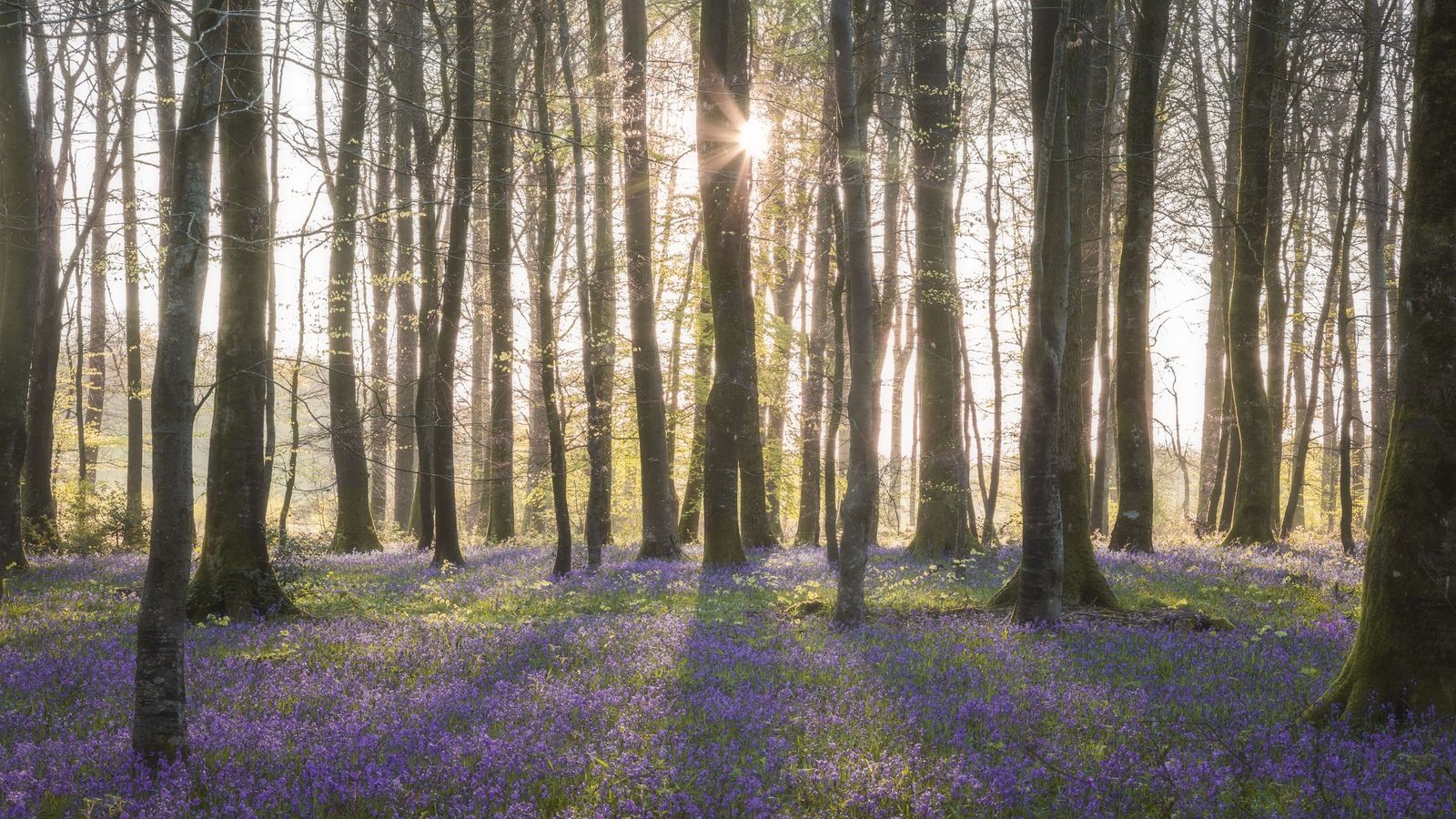
The Department for Environment, Food and Rural Affairs published the Trees Action Plan for England 2026 to 2030 on Thursday 26 November, with a press release promising millions more trees, a second new national forest and new woodland "the size of 5,000 football pitches" open to the public. As Michael Holder reported for BusinessGreen, the plan is backed by over £1 billion of investment this parliament.
The headline commitments are 3,700 hectares of new publicly accessible woodland by March 2030, a proposed 700 square mile national forest stretching from Milton Keynes through Bedfordshire into Cambridgeshire, more than £14 million for forestry skills and sector support, over £20 million for tree health and forestry research, and a new target to bring more neglected woodland into management. It works towards England's legal target of at least 16.5% tree canopy and woodland cover by 2050, a net gain of about 210,000 hectares from 2022, and an interim gain of about 43,000 hectares by 2030.
On carbon, the plan cites Forest Research's estimate that trees in the UK take up 16.5 million tonnes of CO2 a year, and says tree planting, establishment and management are expected to deliver 10% of Defra's contribution to England's carbon budgets in 2050. It also commits to changes to the Woodland Carbon Code, the UK standard for carbon units from new woodland:
- seek endorsement by the Integrity Council for the Voluntary Carbon Market (ICVCM) by 2027;
- increase the number of validation and verification bodies, and launch a modernised case management system and registry with an API, by 2027;
- review the code's carbon look-up tables against the latest science on soil and biomass by 2028;
- pilot remote sensing to cut the cost of validation and verification by 2030;
- explore a woodland carbon purchase fund, through which government would buy woodland carbon units to give developers long-term demand and price certainty. The plan says this is still in development.
What it means for your business
Nothing changes in how you measure your own footprint. Trees planted under the plan don't alter any emission factor, and woodland units are always reported separately from your gross Scope 1, 2 and 3 emissions, not taken off them.
If you buy, or are thinking of buying, UK woodland units, ICVCM endorsement would put the code alongside the benchmark the government already named for high-integrity credits in its response on voluntary carbon markets, with business guidance due in spring 2027. A review of the look-up tables by 2028 could change how many tonnes a new woodland is predicted to remove, which matters most for Pending Issuance Units, which are a promise of future removals rather than tonnes already verified.
Here is the scale for a small business. An office using 40,000 kWh of electricity and 30,000 kWh of gas a year produces 5.24 tonnes CO2e in Scope 2 at 0.13096 kg per kWh and 5.47 tonnes in Scope 1 at 0.18231 kg per kWh, on the 2026 government factors: 10.71 tonnes in all. Matching that tonne for tonne would take 11 verified Woodland Carbon Units every year, which is why cutting the kWh comes first.
If you work in construction, timber or land, the plan backs more homegrown timber, citing the Climate Change Committee's finding that timber-framed homes store about 50% more carbon than masonry homes, and more support for wood-processing businesses.
What to do now
- Keep units out of your gross total. Report your full Scope 1, 2 and 3 first, then show any verified units as a separate line, with the registry serial numbers.
- Check what you hold. If you have Pending Issuance Units, don't count them against this year's emissions: they become Woodland Carbon Units only once the trees have grown and been verified.
- Watch for two dates: the government's carbon credit guidance in spring 2027 and the code's ICVCM decision, due by 2027.