What happened
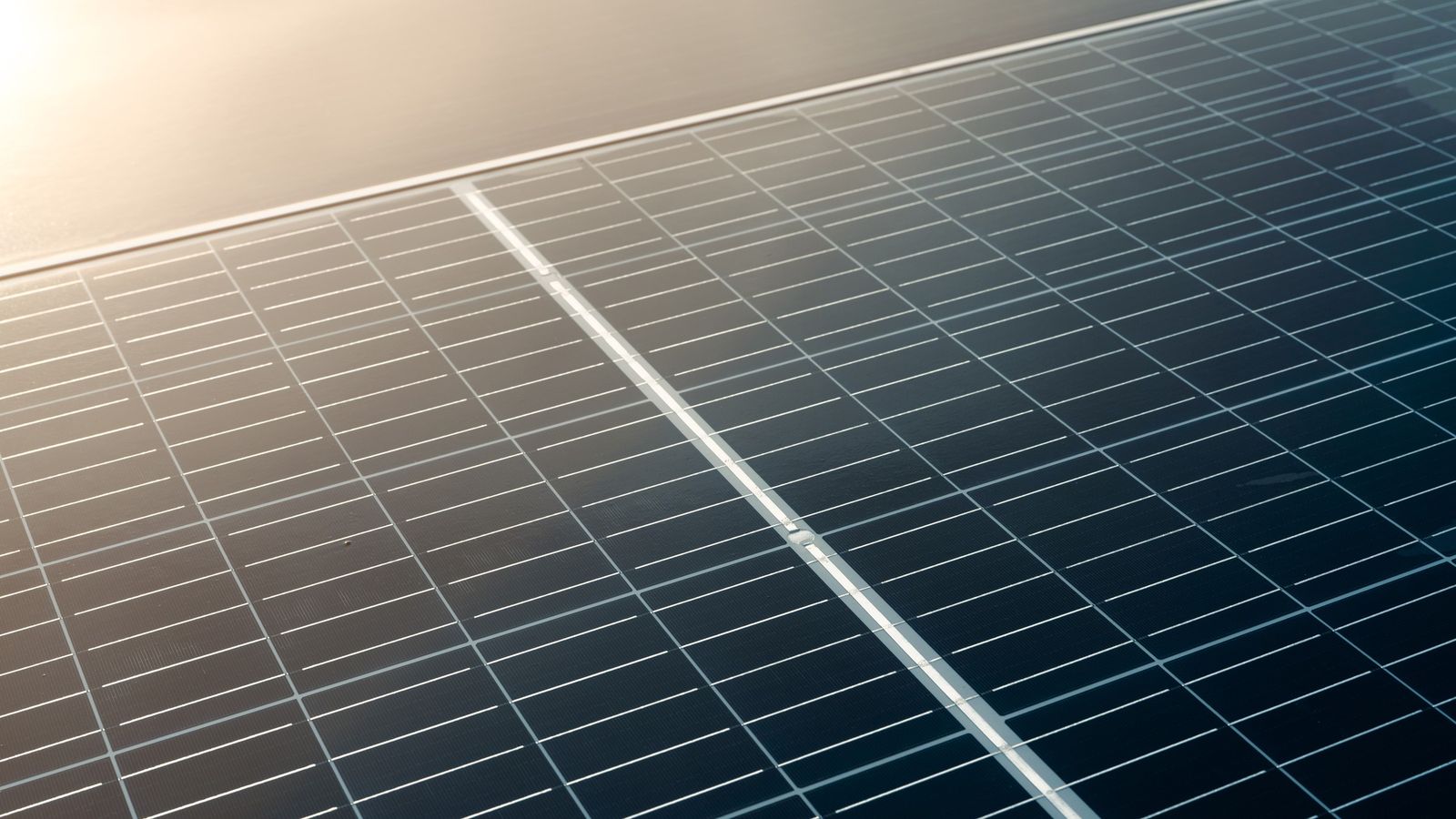
On 16 November 2026, Octopus Energy launched plug-in solar for businesses, as Stuart Stone reported for BusinessGreen. According to Octopus's press release, the kits are aimed at cafés, shops, hairdressers and offices, especially businesses that rent or don't have a roof suitable for a standard installation. The 460 W panels stand on the ground or fix to a wall, plug into a weatherproof outdoor socket, need no electrician, and can move with the business if it changes premises.
Kits start at £450 for one panel and £650 for two. Octopus estimates a small business could cut its electricity bill by up to 23% a year, and that two panels used with a smart export tariff could pay back in about 3 years. Its notes say that estimate assumes a business using about 2,500 kWh a year and panels making 828 kWh a year, and that results will vary. A YouGov survey for Octopus found 62% of small businesses know solar can cut energy costs but only 18% have installed it.
Plug-in solar became legal across Great Britain on 27 August 2026, when the government amended the plug and socket safety rules. The government's announcement said each kit can supply up to 800 W and that compliant products had passed independent safety testing. Energy minister Martin McCluskey said in Octopus's release that he "fully support[s] extending the bill saving benefits to businesses".
What it means for your business
Every kWh the panels supply that you use yourself is a kWh you don't buy from the grid, so it comes off your location-based Scope 2. The 2026 government factor for UK grid electricity is 0.13096 kg CO2e per kWh.
Take Octopus's own example. A business using 2,500 kWh a year reports 0.33 tonnes CO2e of location-based Scope 2. Two panels making 828 kWh a year cover 33% of that use. If every kWh were used on site, grid use would fall to 1,672 kWh and Scope 2 to 0.22 tonnes, a cut of 0.11 tonnes. That is the most it could be: Octopus's bill estimate counts some power exported, and exported power doesn't reduce your reported figure.
For a larger site the effect is smaller in percentage terms. An illustrative shop using 15,000 kWh a year reports 1.96 tonnes. The same 828 kWh used on site would bring that to 1.86 tonnes, the same cut of 0.11 tonnes but only about 6% of the total. Plug-in solar is a small, cheap step; a rooftop system is what moves the numbers for a bigger building (see our guide to rooftop solar and Scope 2).
If you report market-based Scope 2 as well, your supplier's fuel mix sets that figure for the power you still buy, so the panels reduce it by the kWh you no longer import times your supplier's rate.
What to do now
- Check permission first. The government's guidance says to check whether you need permission from a landlord, building owner or freeholder, or planning or listed building consent, before you buy or fit a kit.
- Match the panels to your daytime use. The carbon (and most of the bill saving) comes from power you use while the sun is up. Fridges, tills and lighting in opening hours use it; a shop that is closed at weekends will export more.
- Record what you import, not what you generate. Keep using your bills for grid kWh. Note the panels' output from the app separately, so you can show the reduction in your next report.
- Compare offers. The kit is the same type of product sold by several retailers to households; check prices, export tariffs and whether a product meets the government's safety specification.