What happened
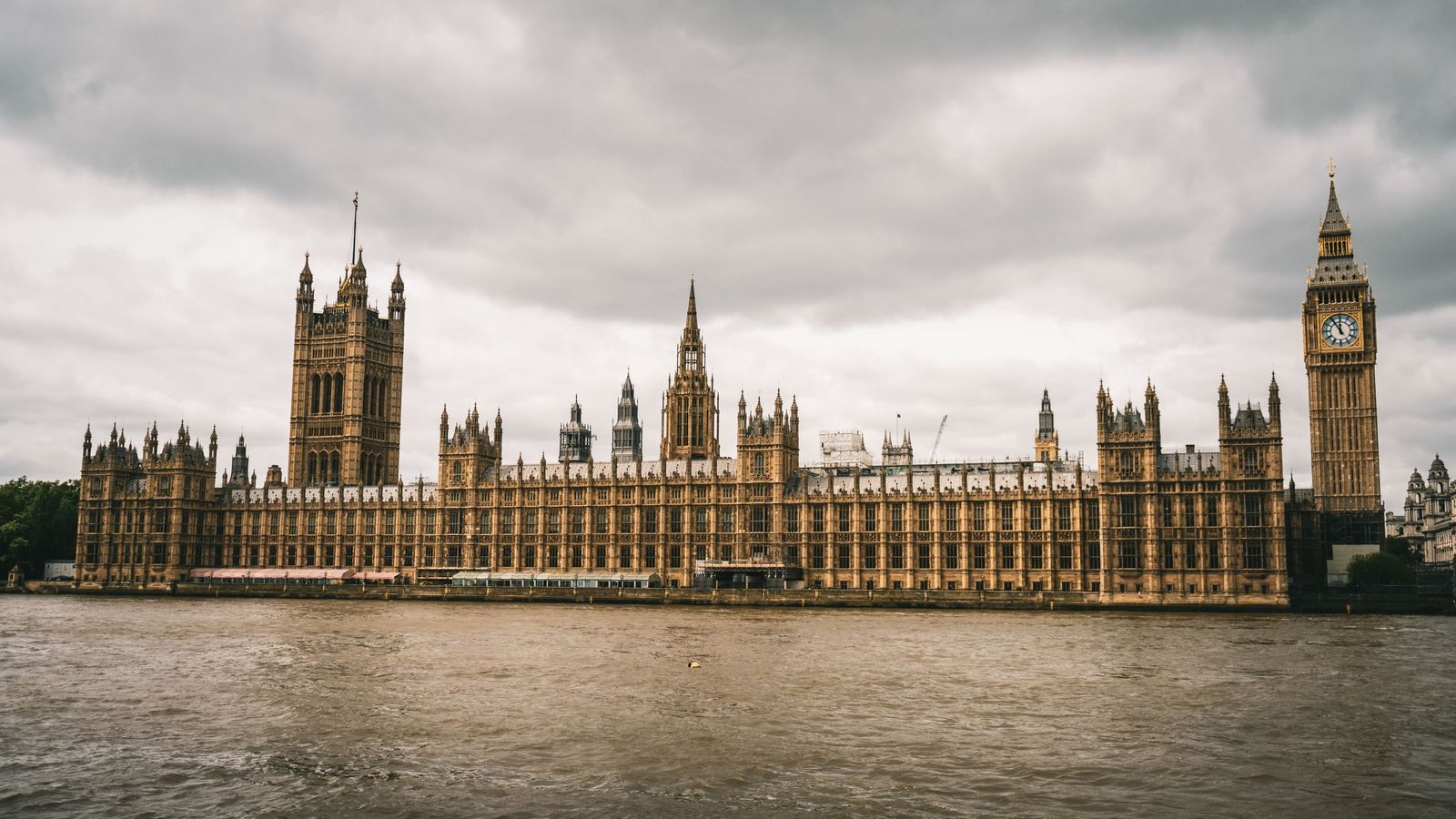
The House of Commons Energy Security and Net Zero Committee published its report UK climate leadership at a crossroad on 6 November 2026, days before the COP31 climate summit in Antalya. The cross-party committee of MPs, chaired by Bill Esterson, says the government's progress over the last two years is "laudable", but that the UK will only be believed abroad if it delivers at home. As Skye Morley reported for Energy Live News, the MPs set out a series of steps, most with deadlines. The main recommendations:
- An electrification strategy, now. DESNZ should "immediately publish a clear electrification strategy" to close the gap to the UK's 2030 target of cutting greenhouse gas emissions by at least 68% below 1990 levels. The report notes the Climate Change Committee's view that the pace of emissions cuts needs to almost double to keep that target in reach, with more electric vehicles, heat pumps and industrial electrification.
- A plan for adapting to climate change. The government should set up a National Framework for Climate Services and bring forward a plan, measures and legislation in this Parliament where adaptation is lagging. It should also rate how policies in each sector affect the UK's climate risks, with a traffic light system updated every quarter.
- A fossil fuel phase-out roadmap. The UK should publish a roadmap for phasing out fossil fuels, as France, Germany and the Netherlands have done, before the second international conference on the transition away from fossil fuels in July 2027.
- Climate finance. Within six months, a single cross-government delivery plan for the UK's international climate finance, with multi-year commitments and a dedicated target for adaptation.
The government is expected to reply to the report formally; until it does, these are recommendations, not policy.
What it means for your business
The direction of travel is electric. An electrification strategy would set out how the UK moves heating, transport and industrial heat from fossil fuels to electricity. For businesses that points to more support and more pressure in the same direction: heat pumps, electric vans and cars, and electric process heat. Our post on what a heat pump does to an office's carbon footprint covers the numbers in more depth.
Climate risk is getting more attention. The committee's push on adaptation, and its call to rate policies by how they affect climate risks, mirrors what large customers and public buyers already ask suppliers about: how floods, heat and supply disruption could affect them. Our guide to a climate risk assessment shows what a simple one covers.
Stable policy helps planning. The report quotes the UK Corporate Leaders Group's view that credible national targets give businesses a signal of continuity and certainty. A published strategy and roadmap would give firms planning heating, fleet or plant replacements a clearer timetable to work to.
A worked example: swapping a gas boiler for a heat pump
Take an illustrative office using 40,000 kWh of gas a year for heating. Assume the boiler is 90% efficient, so it delivers about 36,000 kWh of heat, and that an air source heat pump delivers that heat with a seasonal performance (SCOP) of 3. The factors are the 2026 UK government conversion factors.
- Gas boiler: 40,000 kWh of gas, 7.29 tonnes CO2e a year (Scope 1).
- Heat pump: 12,000 kWh of electricity, 1.57 tonnes CO2e a year (Scope 2, location-based).
- Cut in heating emissions: about 78%.
The saving grows as the grid gets cleaner, which is why electrification sits at the centre of the CCC's advice. Your own figures depend on your building, how well it is insulated and the heat pump you choose.
What to do now
- Note when your boiler, vans or plant are due for replacement. The cheapest time to switch to electric is when equipment reaches the end of its life anyway.
- Measure your gas and fuel use. Your bills are enough to work out your Scope 1, and they show where electrification would cut the most. Our guide to Scope 1, 2 and 3 explains how each counts.
- Check what support exists. If you own your building in England or Wales you may qualify for the Boiler Upgrade Scheme; GOV.UK sets out the conditions.
- Watch for the government's response. It will say whether it accepts the call for an electrification strategy and a fossil fuel roadmap.