What happened
The Department for Energy Security and Net Zero (DESNZ) updated its Green Book supplementary guidance on valuing energy use and greenhouse gas emissions on the morning of 2 November 2026. This is the rulebook government analysts use to turn a project's change in energy use into tonnes CO2e and then into pounds, for business cases, options appraisals and regulatory impact assessments. It is the first full update of the document since 2023, and it lands days after HM Treasury cut the Green Book discount rate to 3%.
The change note and the documents show three things:
- Carbon values in 2025 prices. Table 3 now gives the value of a tonne CO2e in 2025 pounds: a central £317 for 2026 (low £158, high £475), rising to £337 in 2030 and £455 in 2050. DESNZ's notes say the underlying series have not changed since 2023; they have been restated with the ONS September 2026 GDP deflator, so the numbers are higher in pounds but not in real terms.
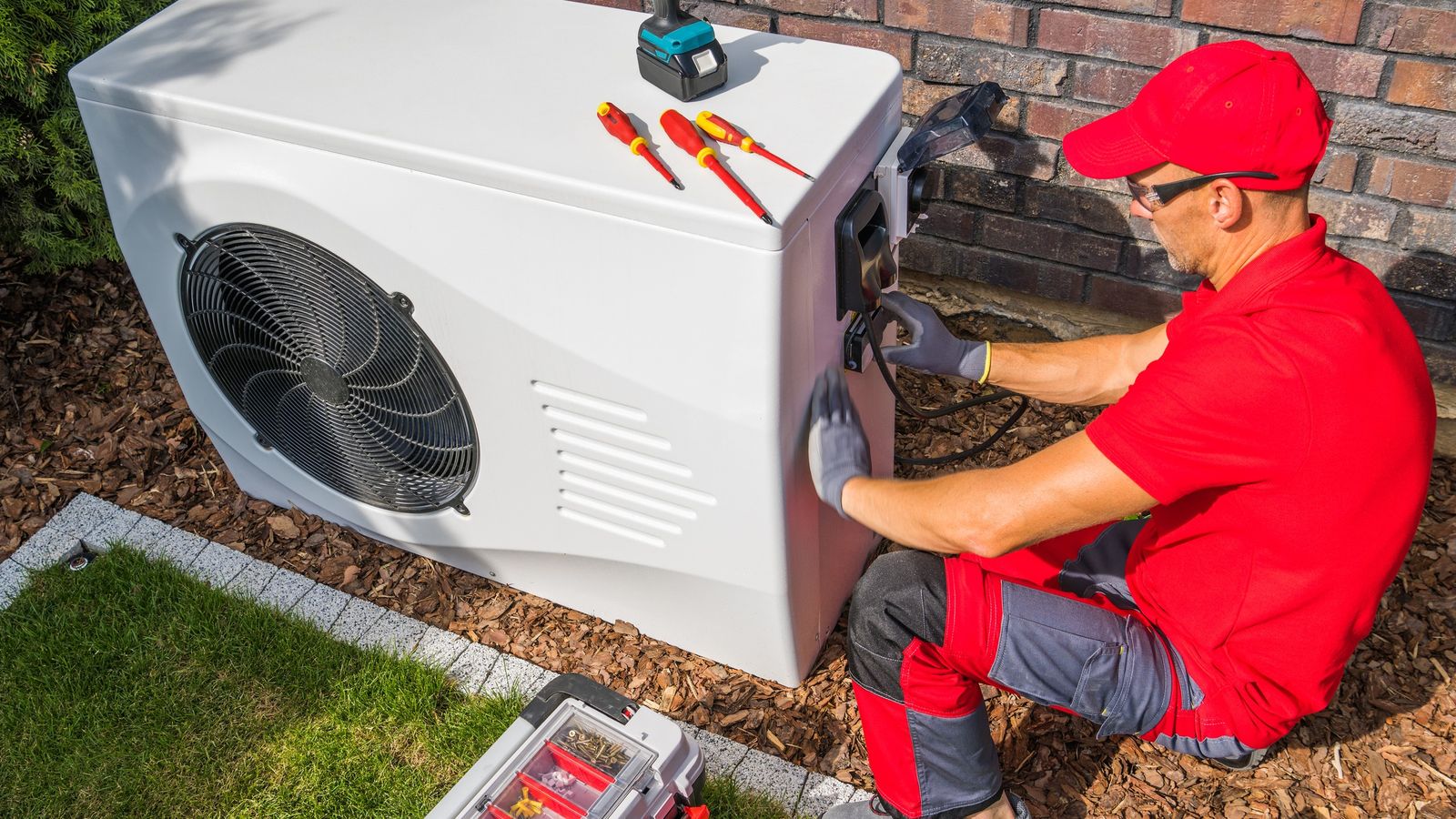
- Time-of-use electricity. A new section (paragraphs 3.16 to 3.20) says the value of electricity saved or used depends on when, because the generation mix changes through the day. Its example is a switch from a boiler to a heat pump, which shifts demand towards off-peak hours. Analysts are told to set out how a proposal moves peak and off-peak demand, and they may use real time-of-use tariffs to show the effect on bills.
- Traded and non-traded emissions. The guidance now explains how to split emissions between sectors covered by the UK Emissions Trading Scheme (all grid electricity, and fuel burnt by ETS installations) and those that are not (such as gas for heating in most buildings). Every tonne is valued at the appraisal value in the economic case, while the cost of ETS allowances goes in the financial case.
What it means for your business
It doesn't change your own carbon report. SECR, Carbon Reduction Plans and GHG Protocol inventories still use the yearly DESNZ greenhouse gas conversion factors and grid average electricity. The appraisal guidance is for weighing up public spending and regulation.
It does change the numbers in public sector business cases. If you sell to, partner with or bid for funding from central government, the devolved governments or a council that uses the Green Book, the carbon benefit of your project will be priced at these values. A higher figure in pounds, together with the lower discount rate, makes carbon savings more visible in the case, and the time-of-use section gives heat pump, storage and demand flexibility projects a place to show when they use power, not just how much.
The appraisal uses different electricity factors from your report. For a change in consumption, the guidance tells analysts to use long-run marginal factors from Table 1: 0.18723 kg CO2e per kWh for the commercial and public sector in 2026, falling to 0.09292 in 2030 and 0.03793 in 2035. The 2026 reporting factor your SECR report uses is 0.13096 kg per kWh. Mixing the two is a common reason a bid's figures don't match the buyer's model.
A worked example: what a heat pump saving is worth
Take an illustrative public building burning 200,000 kWh of gas a year in boilers. Heat pumps delivering the same 180,000 kWh of heat at a seasonal performance factor of 3 need about 60,000 kWh of electricity.
- Gas avoided: 36.46 tonnes CO2e a year, at 0.18231 kg per kWh on the 2026 government factors (held flat in this example).
- Electricity added in 2026: 11.2 tonnes at the appraisal's long-run marginal factor, so a net saving of 25.2 tonnes. Valued at £317 a tonne, that is £7,996 (range £3,998 to £11,994).
- By 2035 the grid is cleaner, so the extra electricity adds only 2.3 tonnes. The saving grows to 34.2 tonnes, worth £12,414 at that year's £363 a tonne.
- Over the ten years 2026 to 2035 the project saves 305.7 tonnes. Discounted at the new 3% Green Book rate, that is worth about £90,504 in today's terms (low £45,252, high £135,755), in 2025 prices.
A real appraisal would also use DESNZ's projected gas factors, the long-run variable costs of the energy itself, and convert the values to its own price base. The point of the example is the order of magnitude: a modest heating project carries several thousand pounds a year of carbon value in the government's own sums, and it is worth setting out in a bid.
What to do now
- If you prepare bids or business cases for public bodies, use the October 2026 data tables, state which price base your figures are in, and use long-run marginal electricity factors for changes in use.
- Give yearly figures for the whole project life, not one year, so the buyer can apply the yearly carbon values and the new discount rate.
- For heat pumps, storage or flexibility, say when the project uses or shifts electricity, since the guidance now asks for peak and off-peak effects.
- Keep your own report separate. Your SECR or Carbon Reduction Plan figures stay on the reporting factors. Our guide to what councils ask for on carbon in tenders covers the questions that often sit alongside.