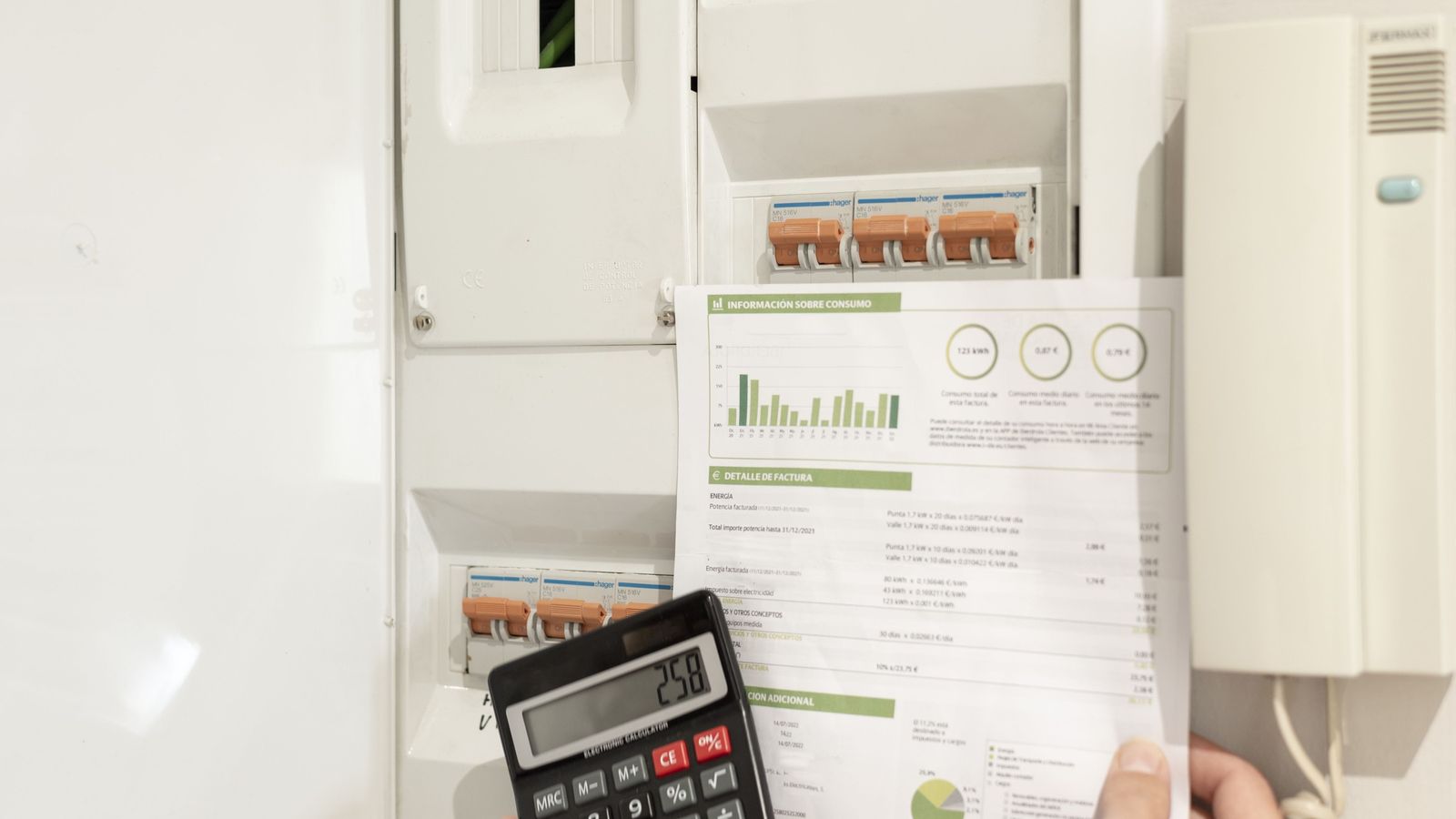
The GHG Protocol asks businesses to report Scope 2 two ways. Location-based uses the average for the grid. Market-based reflects what you chose to buy: a renewable tariff, your supplier's own figure, or, if you have neither, the residual mix. We now follow that last step.
What the residual mix is
It is UK electricity once every renewable and supplier-specific claim already sold to someone else has been taken out. Those claims leave a dirtier mix behind for everyone who didn't make one, so using the grid average would count the same clean power twice. DESNZ publishes the residual mix each year in its fuel mix disclosure data table. Carbon Recycling works out the figure from the published mix and the CO2 intensity of each fuel. It counts CO2 from generation only; grid losses stay a separate Scope 3 line.
What it changes
| Example: 100,000 kWh in 2025, no tariff or supplier figure | Tonnes |
|---|---|
| Location-based: 0.177 kg CO2e per kWh | 17.70 |
| Market-based before: the same grid average | 17.70 |
| Market-based now: 0.396 kg CO2 per kWh residual mix | 39.60 |
The market-based figure is about 2.2 times the location-based one. That is the honest picture: electricity bought without a renewable claim is, on paper, mostly gas and coal. It is also why a REGO-backed tariff or a supplier with a published low figure now shows a real difference in your market-based number. Our post on location-based vs market-based Scope 2 explains how to present the two.