What you need from your waste contractor
Waste is Scope 3 category 5, one of the five categories a PPN 006 Carbon Reduction Plan asks for. To calculate it you need two things for each type of waste you produce:
- The weight, in tonnes, for your reporting year.
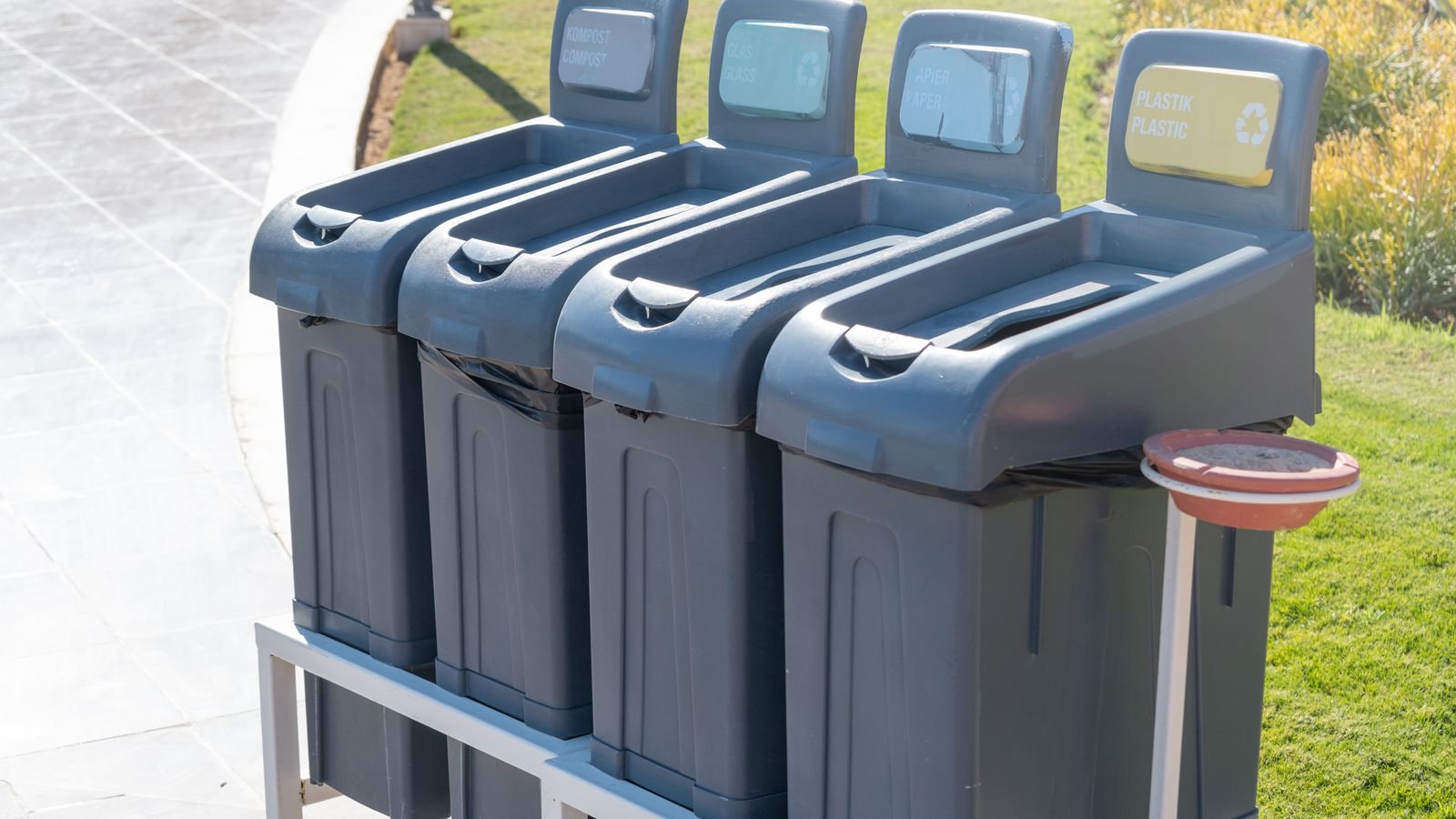
- Where it went: landfill, energy recovery (incineration that generates power), recycling, composting or anaerobic digestion.
Most commercial waste contractors can send an annual waste report with both. If they can't, your waste transfer notes record the type of waste, and the contractor should be able to tell you where each stream is taken. Ask for the report in the month after your year end, while it is fresh.
Why the disposal route matters more than the weight
Waste that rots in landfill gives off methane, a powerful greenhouse gas. The government's factors for recycling and energy recovery, by contrast, only cover taking the waste to the plant. So the same tonne of waste can have very different emissions depending on where it ends up:
| Waste stream | Treatment | kg CO2e per tonne (2026) |
|---|---|---|
| General waste | Landfill | 520.58023 |
| General waste | Energy recovery (incineration) | 4.65358 |
| Food waste | Landfill | 700.33263 |
| Food waste | Anaerobic digestion | 9.00687 |
| Paper and card | Landfill | 1,164.51317 |
| Paper and card | Recycling | 4.65358 |
That is why a waste reduction project in a Carbon Reduction Plan often isn't about producing less waste at all. Moving general waste from landfill to a contractor that sends it to energy recovery, or separating food waste for anaerobic digestion, can cut this category dramatically. See the landfill, energy recovery and recycling factor pages for every year we hold.
If you only know the number of bin lifts
Many small businesses pay per lift and have never seen a weight. You have three options, best first:
- Ask the contractor for weights. Some collection vehicles weigh bins as they are lifted, and a contractor may be able to give you an average weight per lift for your bins even if it isn't on the invoice.
- Weigh a sample yourself. Weigh what goes into each bin over a typical week or two, using bathroom or parcel scales, and scale up to a year. Repeat for a quieter period if your trade is seasonal.
- Estimate from bin size and fill. Count the lifts, note the bin size and how full they usually are, and ask your contractor what a full bin of that size typically weighs. This is the roughest method, so say so in your plan.
Whichever you use, write one sentence about it in your plan. An explained estimate is far better than leaving waste out.
A worked example
A café and catering business has food waste and cardboard collections that are weighed, but its general waste is charged per lift. It weighs the general waste bags for two typical weeks (118 kg and 126 kg, an average of 122 kg) and multiplies by 50 trading weeks, giving 6.1 tonnes. The contractor confirms general waste goes to landfill.
| Stream | Data | Factor (kg per tonne) | tCO2e |
|---|---|---|---|
| General waste to landfill (estimated) | 6.1 tonnes | 520.58023 | 3.18 |
| Food waste to anaerobic digestion | 4 tonnes | 9.00687 | 0.04 |
| Cardboard recycled | 3 tonnes | 4.65358 | 0.01 |
| Total, category 5 | 3.23 |
Nearly all of the total comes from the general waste, because it is the only stream going to landfill. If the café switched to a contractor that sends general waste to energy recovery, the same 6.1 tonnes would come to 0.03 tonnes of CO2e. That is a reduction project with a clear number attached, which is exactly what evaluators look for.
Don't forget wastewater
Water you send to the sewer is also category 5. Your water bill shows the volume in cubic metres; if it doesn't show wastewater separately, water companies usually assume about 95% of the water supplied goes back to sewer. See the wastewater treatment factor page.