O que aconteceu
Ecodesign rules set minimum energy performance standards that take the least efficient products off the market. Great Britain still uses the versions inherited from the EU, which the EU has since replaced. On 16 October 2026 DESNZ published two consultations proposing to catch up, and added the draft regulations to them on 22 and 23 October. Both apply to England, Scotland and Wales; Northern Ireland already follows the newer EU rules.
Industrial fans
These are electric fans of 125 W to 500 kW used for ventilation, cooling and processes in commercial and industrial buildings. The proposal would replace Regulation (EU) 327/2011 with standards matching Regulation (EU) 2024/1834, as amended by Regulation (EU) 2025/2481. It would:
- raise minimum efficiency for every fan type. For axial fans tested in measurement categories A and C, for example, the efficiency grade would rise from 40 to 50;
- bring jet fans into scope, the kind used in car parks, tunnels and smoke control;
- require more product information, including part-load performance from July 2027, with product information kept available for 20 years;
- add repair rules: core spare parts available for at least 10 years after the last unit of a model is sold, and repair information for professional repairers.
DESNZ estimates 5,990 GWh of electricity savings and 0.07 MtCO2e of carbon savings between 2026 and 2050, with a net benefit of £128.7 million, mainly from lower bills for the businesses using the fans.
Standby, off mode and networked standby
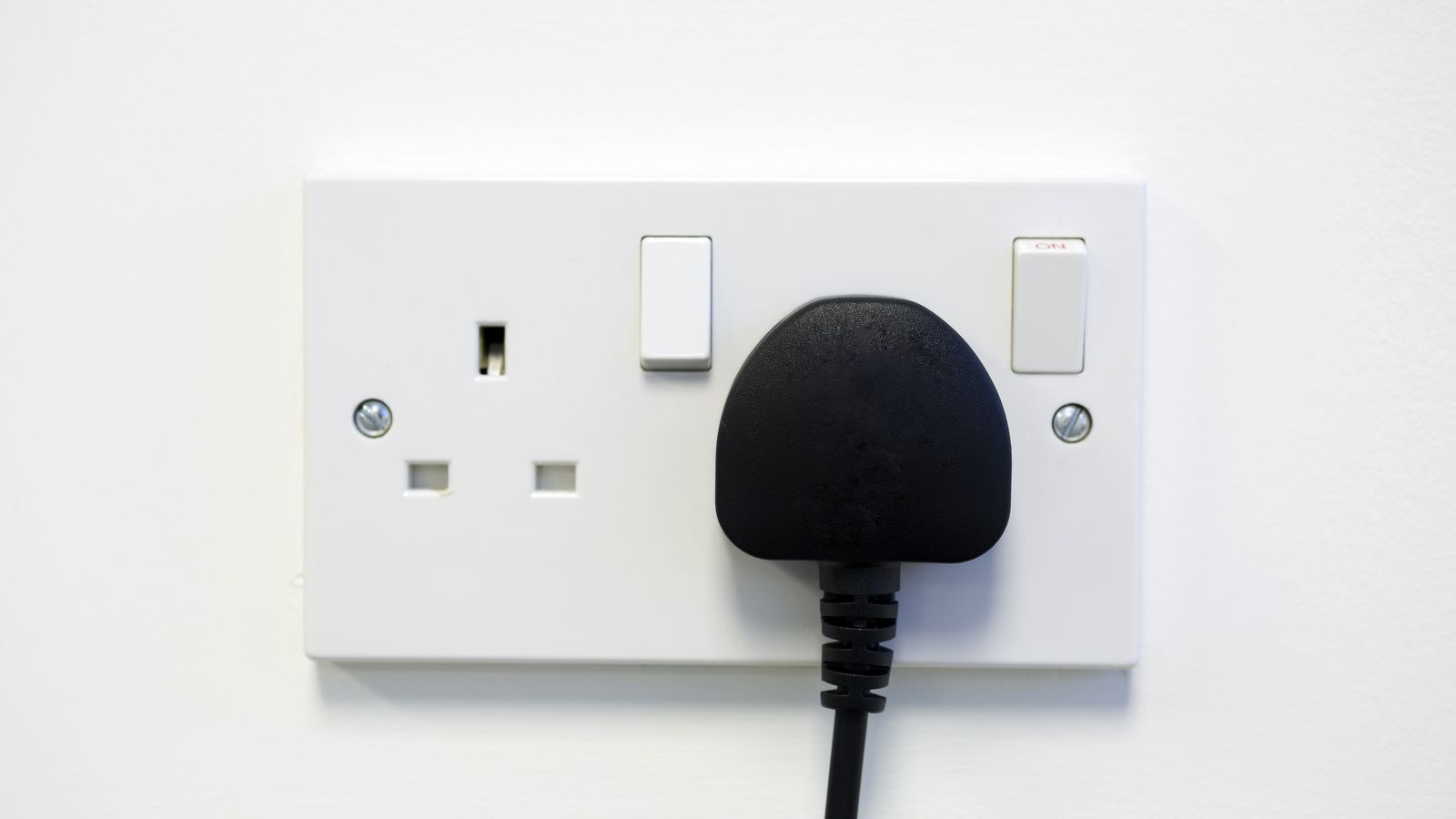
This proposal would replace Regulations (EC) 1275/2008 and 107/2009 with a single regulation matching Regulation (EU) 2023/826. The off mode limit would fall from 0.5 W to 0.3 W, standby with a display from 1.0 W to 0.8 W, and new limits of 7 W and 2 W would apply to networked standby (7 W for kit that must stay on the network, such as routers). Most equipment would have to drop into a low power mode after 20 minutes of inactivity. Products such as coffee machines, smart plugs, height-adjustable desks, motorised blinds and smart speakers would be covered. DESNZ estimates savings of around 11.5 TWh of electricity and 234 ktCO2e by 2050, and proposes bringing the full rules in from the second quarter of 2027, rather than in the EU's two stages.
The scope list is mostly kit designed for homes. Computers, monitors and servers have their own ecodesign rules and sit outside this one, so the change will reach a small office mainly through household-type kit: the kitchen coffee machine, speakers, chargers and desks.
O que significa para o seu relato de carbono
Nothing changes in how you report. Fans and office kit run on electricity, which is Scope 2, worked out from the kWh on your bills at the government factor: 0.13096 kg CO2e per kWh in 2026 (see our UK electricity factor page). The rules apply to products placed on the market, so the fans in your air handling unit and the printer on standby are untouched. The effect on your footprint comes later, as you replace equipment and the new products use fewer kWh.
Um exemplo prático
Two illustrative figures for an office, using the 2026 UK grid factor:
- Ventilation fans. Supply and extract fans drawing 4 kW between them for 3,000 hours a year use 12,000 kWh, or 1.57 tonnes CO2e. If replacement fans used 10% less electricity (our assumption, not a DESNZ figure), that saves 1,200 kWh and 157 kg CO2e a year, for every year the fans run.
- Standby. The consultation says many electronic products draw 0.5 to 1 W or more on standby. 25 items drawing 1 W for 6,000 hours a year while the office is shut use 150 kWh, or 20 kg CO2e. Switching them off at the wall cuts that to nearly zero, today, with no new kit.
Fans that run long hours matter most, and the consultation notes they last around a decade, so the fans you buy next will set your electricity use for years.
O que fazer agora
- Check standby settings. Turn on power saving on printers, screens and the coffee machine, and switch off what isn't needed overnight.
- Specify efficient fans when you replace. Ask your building services contractor for the fan's efficiency grade and part-load figures, and whether a variable speed drive would suit. Like an LED upgrade or a heat pump, it is best timed for when kit is due for replacement.
- Record your kWh. Keep every electricity bill or meter reading for the year, so the drop shows up in your footprint when it comes.
- Respond if you want a say. Both consultations are open to anyone until 24 December 2026.