Cosa è successo
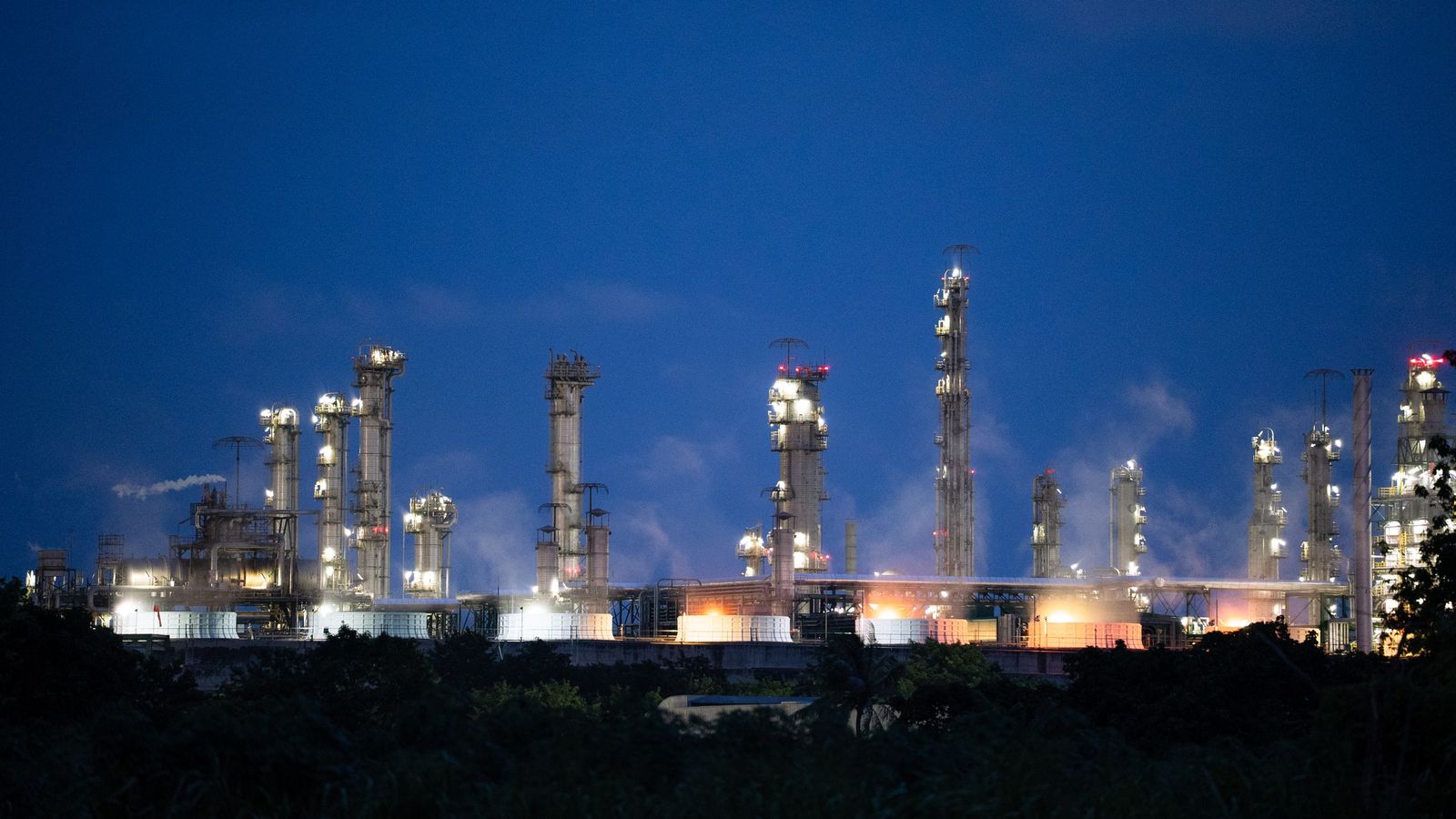
Shell published its results for July to September 2026 on 29 October. Its Adjusted Earnings were $10.8bn, up from $5.4bn in the same quarter of 2025 and $9.8bn in the second quarter. Shell says the rise over the first nine months of the year mainly reflects higher margins on its oil products, "driven mainly by higher refining margins and higher margins from trading and optimisation". It announced a further share buyback of $5bn.
bp followed on 30 October 2026. As Jillian Ambrose reported for the Guardian, bp's underlying replacement cost profit rose to $8.46bn from $2.2bn a year earlier, and the company said the rise "mainly reflects significantly higher realised refining margins and significantly higher gas and marketing trading result". bp's own trading statement of 13 October had already shown its refining marker margin averaging $46.7 a barrel in the quarter, against $29.6 in the second quarter.
A refining margin is the gap between what crude oil costs and what the fuels made from it sell for. On the forecourt it shows up most in diesel. The Department for Energy Security and Net Zero's weekly figures put the UK average at 199.22p a litre for diesel and 174.07p for petrol in the week of 26 October 2026, after diesel reached 200.04p in the week of 12 October, the highest in the series from 2018. A year earlier diesel was 142.38p.
Cosa significa per la sua azienda
The diesel premium is the part to watch. Fuel duty is 52.95p a litre on both fuels and VAT is 20% on both, so the difference between them comes from the fuels themselves. That difference was 7.98p a litre in late October 2025 and is 25.15p now, our working from the DESNZ figures. Before VAT, diesel users are paying about 14.31p a litre more than last year's gap over petrol would suggest.
A worked example. An illustrative firm whose vans burn 10,000 litres of diesel a year would pay about £16,602 before VAT at this week's average price, against £11,865 a year ago. About £1,431 of the difference is the wider gap over petrol alone. Its emissions are 25.84 tonnes CO2e both years, on the 2026 government factor of 2.58354 kg CO2e a litre.
The footprint should not move with the price. If you estimate fleet emissions from pounds spent, the same driving now looks far worse. Our story on diesel at 200p works through how far a spend-based figure drifts. Both oil companies put their higher profits down mainly to refining, the part of the chain where diesel's premium over petrol arises.
Outlook. Shell and bp report what has happened; their results are not a forecast of UK pump prices, and we have not seen a forecast we can stand behind, so plan with the weekly DESNZ figures rather than a guess.
Cosa fare ora
- Get litres from your fuel cards for the whole reporting year, so your Scope 1 figure tracks the driving, not the price.
- Check which vehicles really need diesel. Where a petrol, hybrid or electric vehicle would do the job, the current premium makes the running cost case stronger as well as the carbon case. See the carbon payback of electric company cars.
- Cut litres you don't need. Route planning, combined trips and less idling save money and carbon at once: every 100 litres of diesel not burned avoids 258 kg CO2e.
- Track the weekly price on our free UK petrol and diesel prices page, from the same DESNZ figures.