Какво се случи
The Chancellor's Budget 2026, published on 28 October 2026, made five changes to carbon pricing and waste taxes. Some are decided, some are intentions and one is out for consultation:
- UK CBAM default values (announced). From 2029 the government will introduce country-specific default values, one per CBAM good per country, replacing the single global defaults used in 2027 and 2028. Our story on the 2027 rates and default values explains how the current defaults work.
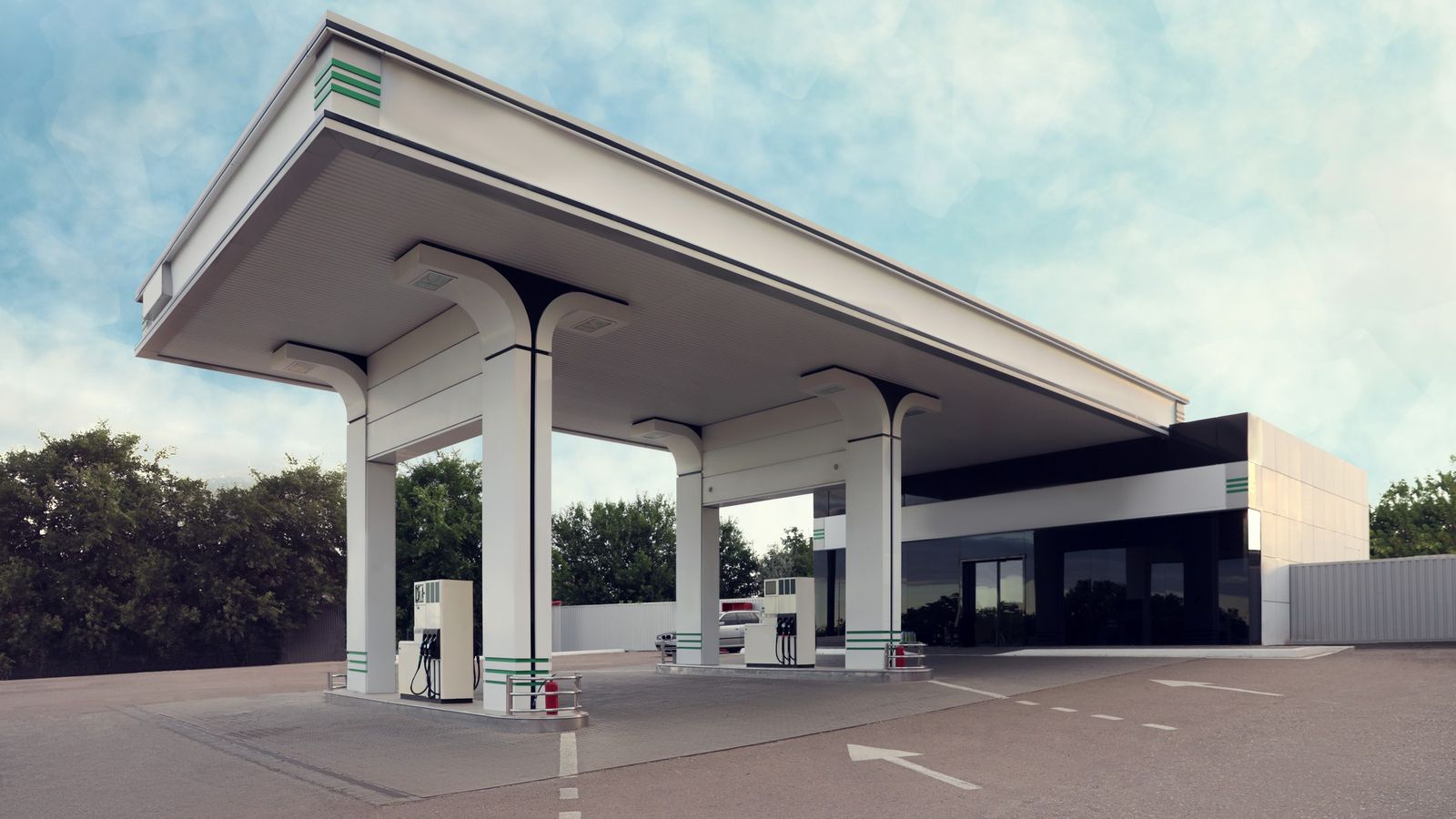
- CBAM for refined products (consultation). The government intends to bring refined products into CBAM, which the Budget says could help refineries in Pembrokeshire, Cheshire, Hampshire and the Humber. The HMRC and HM Treasury consultation closes on 20 January 2027. One option is to start with refinery fuels and blending components: types of petrol, diesel, jet fuel and kerosene listed by commodity code. The consultation says no timeline is set and that applying CBAM to refinery products would be a world first.
- UK ETS and energy from waste (delayed). The UK ETS Authority confirmed in August 2026 that waste incineration and energy from waste will not join the scheme in 2028 as planned, with a new timeline "in due course". The Budget does not give a new date; it scores the delay as costing £125 million in 2028-29 and £490 million in 2029-30.
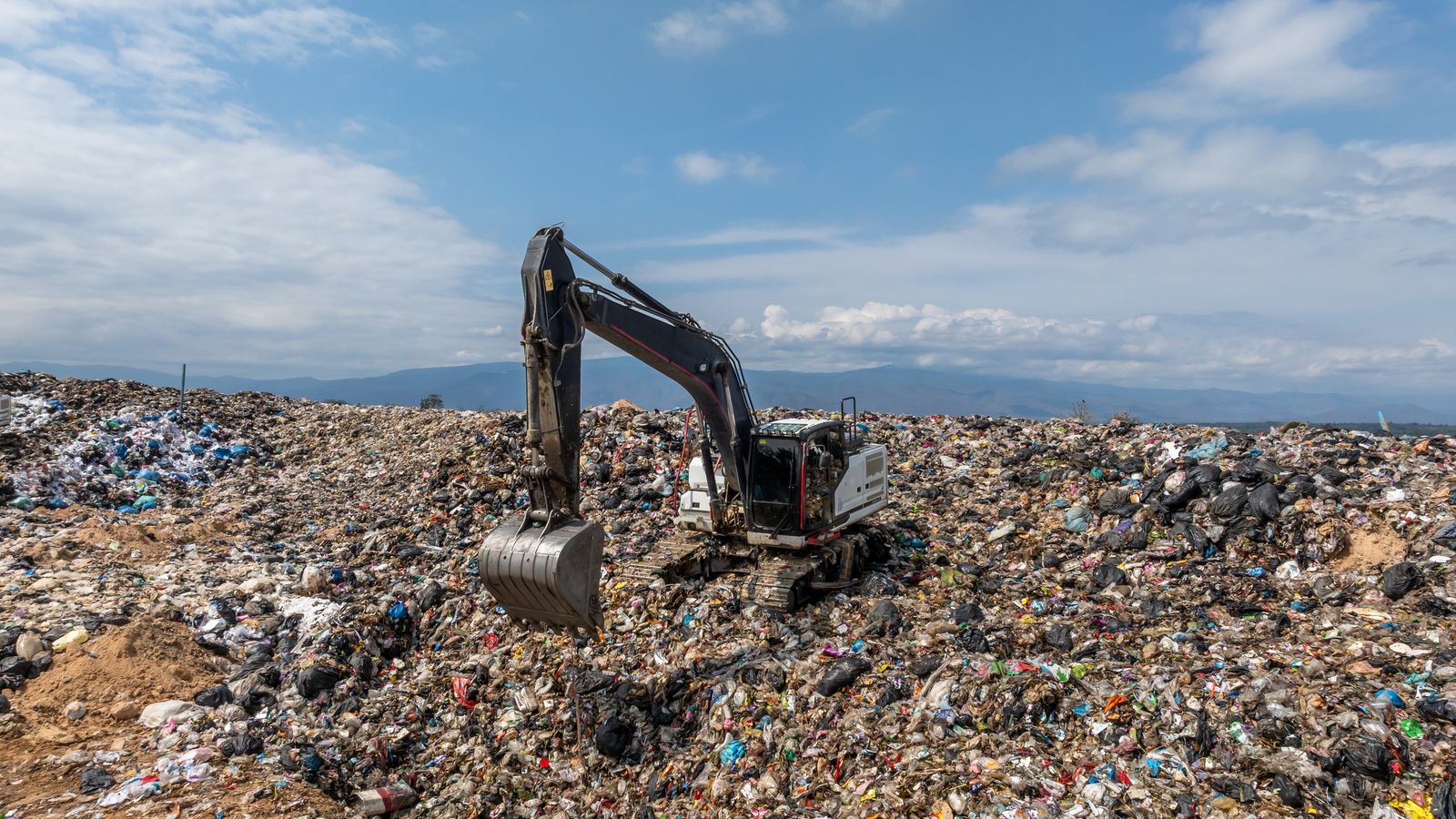
- Landfill Tax (to be legislated). From 1 April 2027 the standard rate in England and Northern Ireland rises by RPI from £130.75 to £136.70 a tonne, and the lower rate by the same cash amount, from £8.65 to £14.60. The cap on Landfill Communities Fund credits rises from 5.3% to 8.3% of an operator's liability, an estimated £25.3 million fund.
- Plastic Packaging Tax (decided). After a May 2026 consultation, businesses claiming that packaging meets the 30% recycled plastic threshold will need certification for mechanically recycled plastic from 1 April 2030. Separately, the rate rises by CPI from £228.82 to £236.56 a tonne on 1 April 2027.
Какво означава това за Вашата фирма
Importers of CBAM goods. Nothing changes for 2027: CBAM starts on 1 January 2027 for aluminium, cement, fertiliser, hydrogen, and iron and steel, with registration and the first returns in 2028. From 2029 the default you fall back on will depend on where the goods were made, so a default may go up or down by country. Verified figures from the producer remain the way to pay on actual emissions. If you are unsure whether you need to register, use our free UK CBAM registration checker, and see how UK CBAM differs from the EU's if you also sell into Europe.
Fuel importers and big fuel buyers. The importer would be liable for CBAM on refined products. The consultation expects initial liabilities to be modest, but says CBAM could affect prices paid by distributors and end users, and asks how businesses that buy fuel would be affected. Financial Secretary James Murray writes that the government will "remain mindful of affordability". Nothing is decided yet.
Anyone sending waste to landfill. Landfill Tax is charged to the landfill operator and passed on in gate fees, so your contractor's price will rise in April. Waste is also Scope 3 category 5 in your carbon footprint.
Packaging makers and importers. From 2030, recycled content claims will need a certificate, not just supplier paperwork. Our Plastic Packaging Tax guide explains who pays and how it links to your carbon figures.
A worked example: 40 tonnes of general waste
Take an illustrative business that sends 40 tonnes of general commercial waste a year to landfill in England. The Landfill Tax in its gate fee goes from £5,230 to £5,468 a year, £238 more, before the contractor's own charges. On the 2026 government factor of 520.58023 kg CO2e per tonne, that waste is 20,823 kg CO2e, or 20.82 tonnes, of Scope 3. Our recycling vs landfill guide shows how much separating it saves.
Какво да направите сега
- Ask your CBAM suppliers for verified emissions data now, with the country of production for each good. Our supplier emissions data request template sets out what to ask for.
- If you import fuels, read the consultation and respond by 20 January 2027 if the commodity codes cover what you bring in.
- Get your waste tonnes by stream from your contractor, budget for the April 2027 Landfill Tax rise, and ask what goes to landfill and what is recycled.
- If you claim the 30% recycled plastic exemption, ask your suppliers whether their mechanically recycled plastic will be certified by 1 April 2030.