สิ่งที่เกิดขึ้น
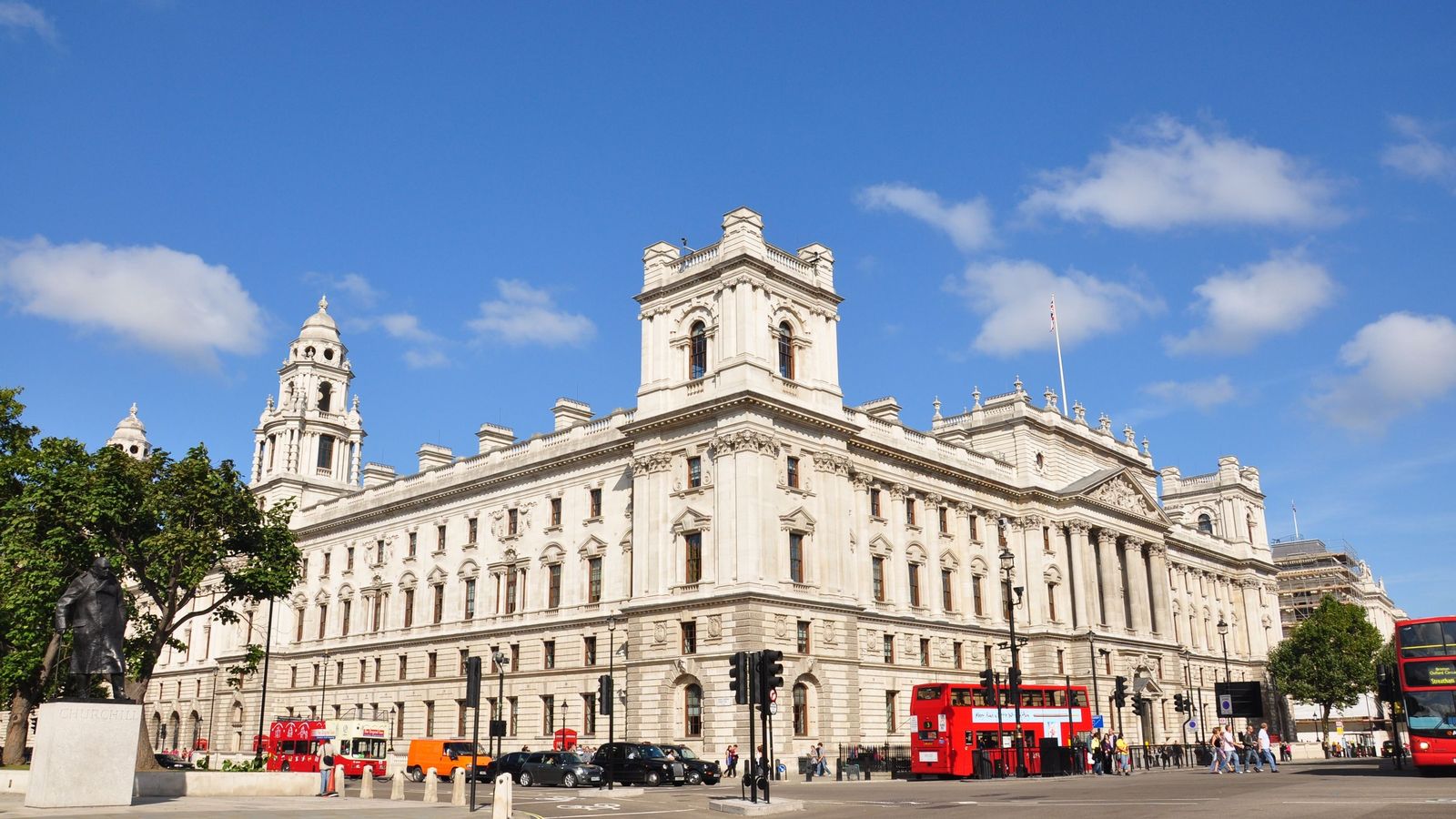
Alongside the Budget on 28 October 2026, HM Treasury published a new edition of the Green Book, its guidance on how the public sector weighs up the costs and benefits of spending, regulation and other proposals, together with its formal response to an independent review of discounting by Professors Ben Groom and Mark Freeman. The Chancellor had said in September that the headline rate would fall; the new Green Book puts the full schedule into force. The changes, from Box 1.A of the response:
- Years 1 to 30 of an appraisal: from 3.50% to 3.00%.
- Years 31 to 75: from 3.00% to 2.50%.
- Years 76 to 125: from 2.50% to 2.25%.
- The separate 1.50% health discount rate is removed. Future health effects are instead uprated by 2% a year, which the Treasury says gives a mathematically equivalent result.
The review made 23 recommendations; the Treasury accepted 15 in full, 5 in part and 3 not at this stage. It kept the conclusions of its 2021 Environmental Discount Rate Review, so environmental effects stay on the standard rate rather than getting one of their own. As the review notes, carbon pricing in UK appraisal follows a target-consistent approach rather than a specific discount rate.
ความหมายต่อธุรกิจของคุณ
Carbon savings now weigh more in public sector decisions. The Green Book tells appraisers to work out a proposal's change in emissions by multiplying the fuel used or saved by its emissions factor, convert it to tonnes CO2e, and then value it using DESNZ's supplementary guidance. That value is then discounted like every other cost and benefit. Discounting means a benefit next year is worth more than the same benefit in 20 years, so the lower the rate, the more a long-lived carbon saving counts. Using the schedules above, here is how much weight a tonne saved in a given year now carries compared with a tonne saved today:
- In 10 years: 0.71 on the old schedule, 0.74 on the new one, 5% more.
- In 30 years: 0.36 on the old schedule, 0.41 on the new one, 16% more.
- In 50 years: 0.20 on the old schedule, 0.25 on the new one, 27% more.
- In 75 years: 0.09 on the old schedule, 0.14 on the new one, 44% more.
Who it reaches. The Green Book is mandatory for UK government departments and arm's length bodies when they develop proposals involving significant public spending, and it is used for the impact assessments behind new regulations. The devolved governments have adopted it, many local authorities in England require it in their local assurance frameworks, and organisations bidding for central government funding may be asked to follow it. So if you put together business cases for government funding, or supply or partner on public projects such as building retrofits, heat networks or transport schemes, the figures you are asked for will be weighed on the new schedule. It does not change how a business reports its own emissions under SECR, a Carbon Reduction Plan or the GHG Protocol.
A worked example: heat pumps in a public building
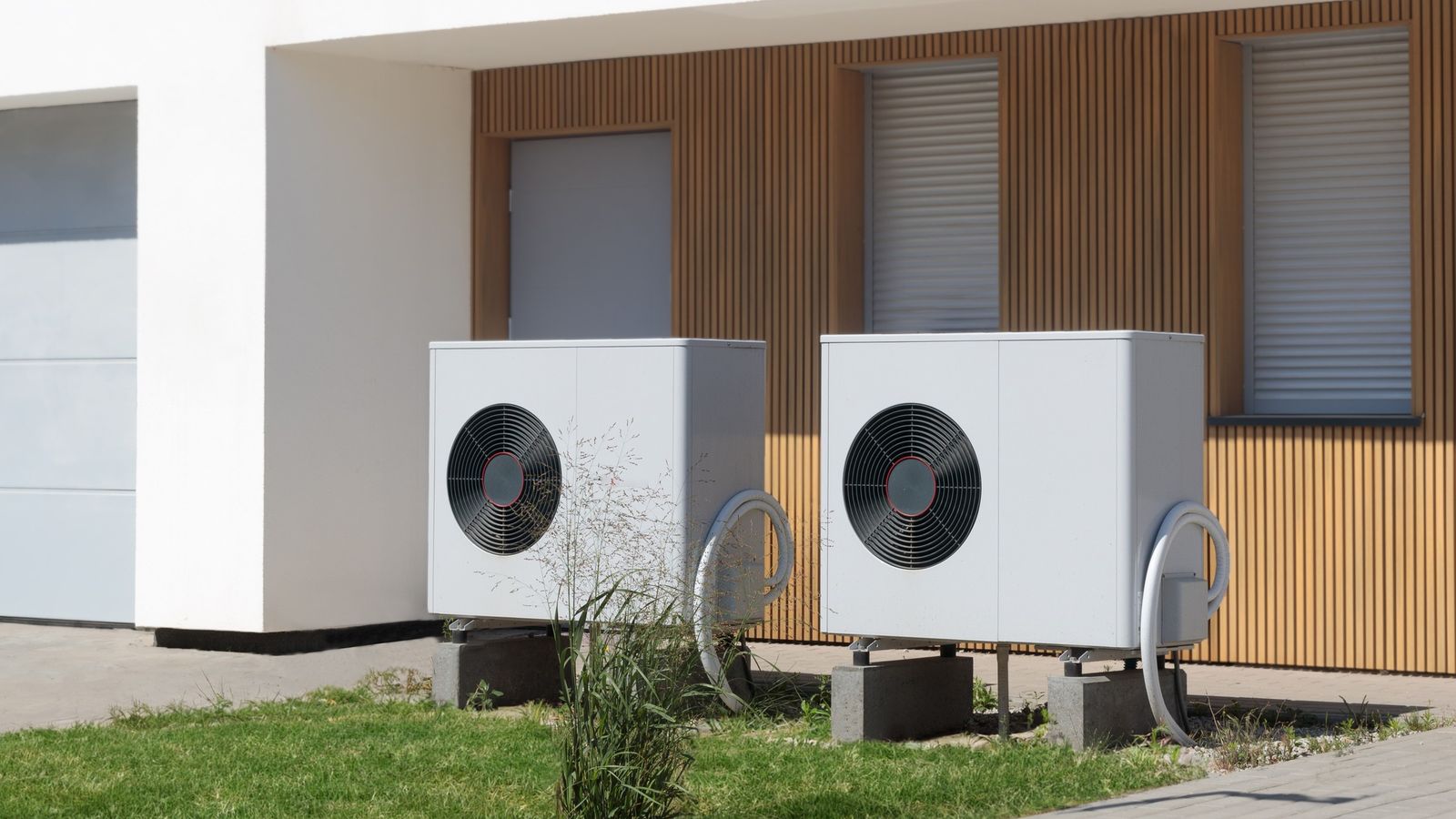
Take an illustrative public building that burns 200,000 kWh of gas a year in boilers. Replacing them with heat pumps that deliver the same 180,000 kWh of heat at a seasonal performance factor of 3 needs about 60,000 kWh of electricity.
- Gas avoided: 36.46 tonnes CO2e a year (Scope 1, at 0.18231 kg CO2e per kWh on the 2026 government factors).
- Electricity added: 7.86 tonnes CO2e a year (Scope 2, at 0.13096 kg per kWh).
- Net saving: 28.60 tonnes CO2e a year, or 572.1 tonnes over a 20-year life.
- Discounted over those 20 years, the saving counts as 406.5 tonnes on the old schedule and 425.6 tonnes on the new one, about 5% more, before any carbon value is applied.
We hold the factors at today's values for every year to keep the sum simple. A real appraisal would use DESNZ's projected grid factors, which fall over time and make the heat pump's saving larger, and DESNZ's carbon value for each year. Projects with longer lives, such as heat networks, insulation or transport schemes lasting 40 years or more, gain more from the change, because their later years are where the new rates differ most.
สิ่งที่ควรทำตอนนี้
- If you prepare bids for government funding, check the appraisal template or guidance you are given uses the October 2026 Green Book rates, and give yearly emissions for the whole life of the project, not only the first year.
- Measure the starting point. A credible saving needs a credible baseline: the kWh, litres or miles today, converted with the right year's DESNZ factors.
- Show your working. The Green Book's own method is quantity times emissions factor, so set out the quantities, the factors and their year. Our guide to what councils ask for on carbon in tenders covers the questions that often sit alongside.